
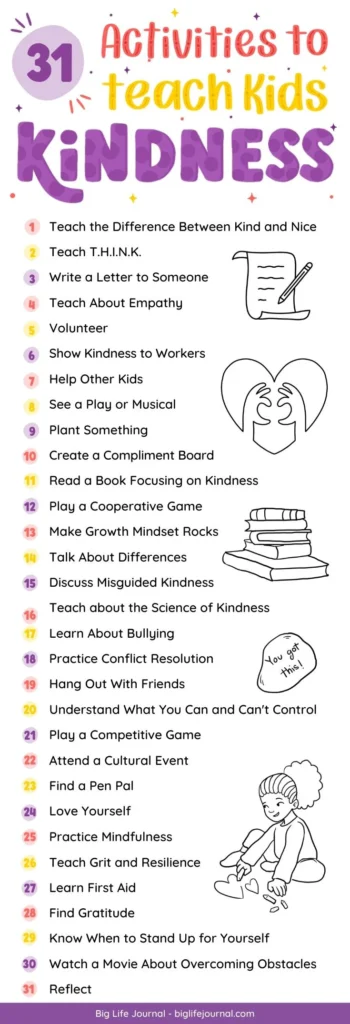
It’s never too late to start treating others with kindness and respect, and by teaching our children these values, we’re ensuring a future generation of empathetic individuals. Just like learning languages from a young age, teaching kindness is an essential part of childhood development. In this article, we’ll explore some fun and engaging games that can help instill kindness in children.
What is Kindness?
Kindness is often referred to as a language, but it’s not bound by rules. Instead, it communicates effectively with others and transcends cultural boundaries. This makes it an invaluable skill for future generations to develop.
Why Teach Kindness to Children?
Teaching kindness to children from a young age has numerous benefits. It helps them:
- Develop empathy and understanding towards others
- Build strong relationships and friendships
- Become more attuned to their surroundings and the people in them
- Learn valuable life skills like patience, self-control, and self-awareness
Games for Kindness
Here are some fun and engaging games that can help teach kindness to children:
Outdoor Games
- Tree Hug Game: Start with a tambourine sound, and have the kids run to hug a tree trunk as soon as the music stops. The last one to reach the tree loses points.
- Cushion Fight: Give each child a well-stuffed cushion and let them engage in a fun battle while learning to control their strength and aggression.
- Ball Game: Divide the kids into two teams, and have them take turns throwing a ball into the opposing team’s goal. This game teaches teamwork, strategy, and acceptance of losses.
- Nature Scavenger Hunt: Create a list of items found in nature (e.g., leaves, rocks, flowers), and have the kids search for them together.
- Bug Catching: Provide each child with a container and some bug-catching gear. This activity encourages observation, patience, and respect for the natural world.
Indoor Games
- Paper Plate Party: Use paper plates to create fun shapes, and have the kids work together to decorate them. This activity promotes collaboration, creativity, and self-expression.
- Mealtime Manners: Set up a pretend meal scenario using play food, utensils, and plates. Have the kids practice good table manners, such as using their napkins and chewing slowly.
- Feelings Charades: Write different emotions (e.g., happy, sad, angry) on slips of paper, and have the kids act them out for their peers to guess.
- Kindness Chain: Cut out strips of colored paper, and have each child write a kind act they can do for someone else on each strip. Then, connect the strips to create a kindness chain that promotes positive behavior.
- Empathy Puzzle: Create a puzzle with different characters, and have the kids work together to solve it while understanding the perspectives of each character.
Nature Games
- Forest Bathing: Take the kids on a walk through the forest, encouraging them to observe their surroundings, listen to the sounds, and breathe in the fresh air.
- Bird Watching: Provide each child with binoculars and a guidebook, and have them identify different bird species while learning about their habitats and behaviors.
- Sensory Walk: Take the kids on a walk through the neighborhood or park, encouraging them to engage their senses (e.g., sight, sound, touch) and observe the world around them.
Movement Games
- Obstacle Course: Set up an obstacle course using household items (e.g., couch cushions, chairs). Have the kids navigate through it while practicing balance, agility, and coordination.
- Yoga or Stretching: Practice simple yoga poses or stretches together as a group. This activity promotes flexibility, relaxation, and self-awareness.
- Dance Party: Put on some fun music, and have the kids dance and move their bodies while promoting creativity and joy.
Board Games
- Kindness Quest: Create a customized board game that teaches kindness values such as sharing, empathy, and responsibility.
- Cooperative Board Game: Choose a cooperative board game where players work together to achieve a common goal, promoting teamwork and problem-solving skills.
- Charades: Divide the kids into two teams, and have them take turns acting out different emotions, actions, or scenarios while practicing active listening and empathy.
Tips for Playing Kindness Games
- Set clear expectations: Before starting any game, set clear expectations for kind behavior and how it will be rewarded.
- Encourage teamwork: Many games can be played in teams, promoting collaboration and social skills.
- Model kindness: Children learn by observing, so make sure to model kind behavior yourself.
- Make it fun: Kindness games should be enjoyable for everyone involved. Encourage laughter, creativity, and enthusiasm.
Conclusion
Teaching kindness to children is a vital part of their development, and it can be done through various games and activities. By using these games as a starting point, you’ll be helping your child develop essential skills like empathy, self-awareness, and social responsibility. So, go ahead and start playing – together, we can create a more compassionate world!
Frequently Asked Questions
- Q: How old should my child start learning kindness?
A: Kindness is an essential skill that can be taught to children from a young age. Start with simple games and activities, and gradually increase the complexity as your child grows. - Q: What are some common mistakes parents make when teaching kindness?
A: Common mistakes include expecting too much from children, using rewards or punishments to motivate kindness, and neglecting to model kind behavior ourselves. - Q: How can I ensure my child develops empathy towards others?
A: Encourage your child to put themselves in other people’s shoes by role-playing different scenarios, discussing feelings and emotions, and engaging in activities that promote understanding. - Q: Can kindness be taught through technology?
A: Yes, kindness can be taught through educational apps, games, and online platforms. These resources can provide a fun and engaging way to teach valuable life skills like empathy and self-awareness. - Q: How can I measure the effectiveness of my child’s kindness development?
A: Observe your child’s behavior, engage in conversations about kindness, and set clear expectations for kind behavior.
Additional Resources
- Kindness Apps: Explore apps like “Empathy” or “Kindness Matters” that teach empathy and kindness skills through interactive games and activities.
- Kindness Books: Read books together with your child that promote kindness values, such as “The Giving Tree” or “Have You Filled a Bucket Today?”.
- Community Service Projects: Organize community service projects with your child, such as volunteering at a local animal shelter or participating in a park cleanup event.
By incorporating these games and activities into your daily routine, you’ll be teaching kindness to children in a fun and engaging way. Remember, kindness is an essential life skill that will benefit them throughout their lives.


