
As habits form in early childhood, they become ingrained and are harder to change later on. This is why we should take advantage of this opportunity to teach children not to waste water, a resource that is becoming increasingly scarce and will continue to be crucial for preservation.
The Importance of Teaching Children Water Conservation
Water conservation is an essential aspect of protecting our planet’s natural resources. As the global population continues to grow, the demand for clean water increases, putting pressure on already strained water supplies. By teaching children about water conservation from a young age, we can help shape their habits and behaviors that will benefit not only them but also future generations.
Teaching children how to conserve water is not just a moral obligation; it’s also an important life skill that will benefit them in the long run. Water is essential for human survival, agriculture, industry, and many other purposes. By conserving water, we can reduce our reliance on this precious resource and mitigate its impact on the environment.
Teaching Children to Conserve Water in the Bathroom
In the bathroom, there are several moments where water can be wasted, and we can set an example by showing children how to conserve it. When brushing teeth and washing faces, it’s easy to forget to turn off the tap when not needed. To teach children this habit, we must first practice what we preach and demonstrate how to do it ourselves.
By making a game out of it, we can make learning fun and engaging for children. Here are some ideas:
- Let’s count the seconds in which the water is left running, and have a competition to see who can turn off the tap the fastest.
- We can also create a song or rhyme associated with the time it takes to wash our faces or brush our teeth. The goal is to make it a challenge that children can win.
The bathroom is where we spend most of our daily water usage, so by teaching children how to conserve water here, we set them up for success in other areas as well.
Teaching Children to Conserve Water in the Kitchen
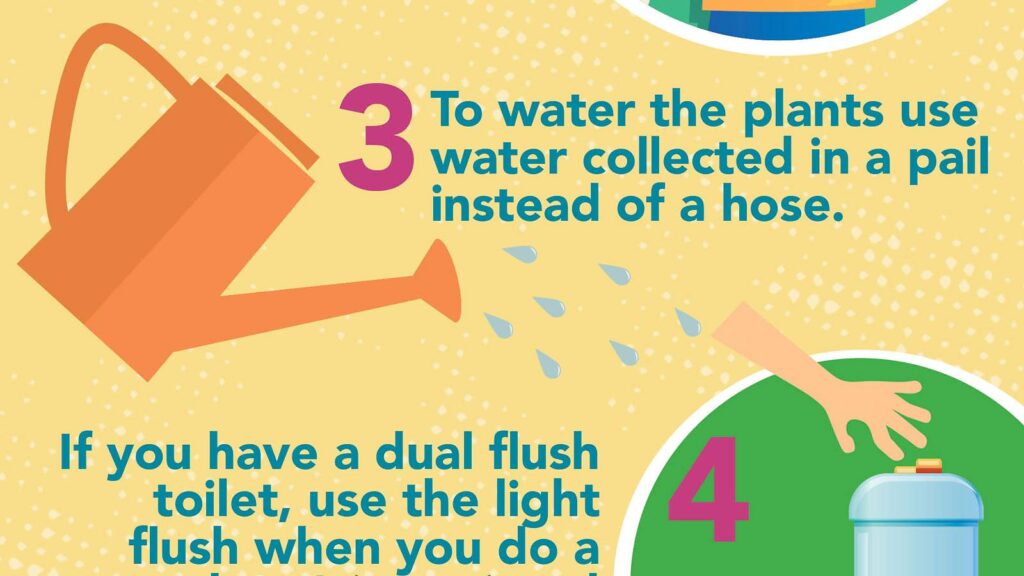
In the kitchen, there are also moments when water can be wasted, and we can teach children how to avoid it. When washing fruits and vegetables, instead of using the tap, we can use a bowl of water and then re-use it to water plants.
- We can color the water with food coloring to make it more fun and engaging for children.
- By growing our own plants together, children will learn about the importance of water and how it’s essential for their growth.
Teaching Children About Water Conservation through Hands-on Activities
Hands-on activities are an excellent way to teach children about water conservation in a fun and interactive way. Here are some ideas:
- Create a “water cycle” diorama using clay, cardboard, or other materials.
- Make a model of a rainwater harvesting system using plastic bottles and tubing.
- Conduct simple experiments to demonstrate the importance of water filtration and purification.
By engaging children in hands-on activities, we can make learning about water conservation fun and memorable for them. This will help them develop a deeper understanding of the importance of conserving this precious resource.
Books to Teach Children About Water Conservation
There are many books available that teach children about water conservation in a fun and engaging way. Here are some suggestions:
- “Bumba’s Water” by Roberto Piumini – This book tells the story of a child who must travel through the savannah with a jar of water, where he meets a wise old man who teaches him about the importance of conserving this precious resource.
- “The Great Water Adventure” – This pop-up book explains how water is distributed and its various uses in an engaging and interactive way.
By reading these books together, children will develop a deeper understanding of the importance of water conservation and be inspired to make a positive impact on our planet.
Conclusion
Teaching children about water conservation from a young age is essential for shaping their habits and behaviors that will benefit not only them but also future generations. By teaching them how to conserve water in the bathroom and kitchen, we can help reduce our reliance on this precious resource and mitigate its impact on the environment.
By using hands-on activities, books, and other resources, we can make learning about water conservation fun and engaging for children. This will help them develop a deeper understanding of the importance of conserving this valuable resource and inspire them to make a positive impact on our planet.


