
As a wine enthusiast, you’re about to embark on a journey that will take your palate on a wild ride. The art of wine tasting is not just about enjoying a glass of your favorite vintage; it’s about developing a deeper appreciation for the complex flavors and aromas that make each bottle unique. In this article, we’ll guide you through the process of wine tasting, from the initial sniff to the final swallow.
Getting Started: Understanding Wine Tasting
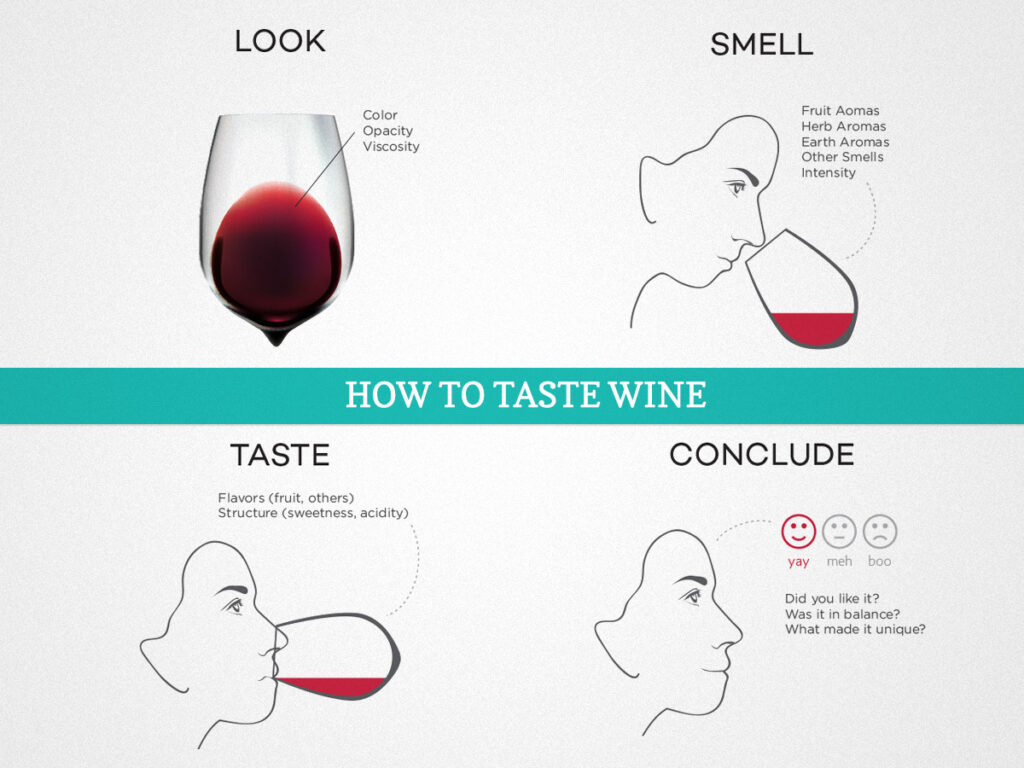
Wine tasting is a sensory experience that involves all five senses. To get started, you’ll need to understand the basics of wine tasting. Here’s what you need to know:
- The Five Senses: When tasting wine, you’ll use your eyes to observe the color and clarity of the wine, your nose to detect the aromas, your tongue to taste the flavors, your ears to listen to the sound of the wine (yes, it’s a thing!), and your skin to feel the temperature and texture of the wine.
- The Wine Tasting Process: The process of wine tasting involves several steps:
- Sniffing: Take a deep sniff of the wine to detect its aroma.
- Sipping: Take a small sip of the wine and hold it in your mouth for about 10-15 seconds.
- Palate Cleaning: Rinse your palate with water or another liquid to reset your taste buds.
- Tasting: Take another sip and pay attention to the flavors, acidity, tannins, and overall balance of the wine.
Preparing for Wine Tasting
Before you start tasting wine, make sure you have everything you need:
- Clean Glasses: Use a clean glass for each wine to prevent contamination.
- Water: Have water on hand to cleanse your palate between tastings.
- Food: If you’re planning to taste multiple wines, consider pairing them with small bites of food.
The Science Behind Wine Tasting
Wine tasting is not just about enjoying a drink; it’s also about understanding the science behind it. Here are some key concepts to keep in mind:
- Acidity: Acidity refers to the sharpness or tartness of a wine. Wines with high acidity tend to be crisp and refreshing, while those with low acidity can feel flat and uninteresting.
- Tannins: Tannins are compounds found in plants that give wine its astringent, drying sensation. Wines with high tannin levels can feel harsh and unbalanced, while those with low tannin levels tend to be smooth and approachable.
Wine Tasting Etiquette
When attending a wine tasting event or meeting a fellow wine enthusiast, here are some key etiquette tips:
- Be Respectful: Treat the winemaker, other guests, and the wines with respect.
- Ask Questions: Don’t be afraid to ask questions about the wine, its production methods, or its pairing suggestions.
Wine Tasting in Different Contexts
Wine tasting is not just limited to special occasions; it’s also a fun activity you can do at home. Here are some tips for wine tasting in different contexts:
- At Home: Try using small glasses and having a variety of wines on hand.
- At a Restaurant: Ask your server for recommendations and be sure to pace yourself between courses.
Understanding Wine Labels
When buying a bottle of wine, the label can provide valuable information about the wine. Here are some key things to look for:
- Grape Variety: The grape variety used in the wine will impact its flavor profile.
- Region: The region where the wine was produced can affect its climate and soil conditions.
- Vintage: The vintage of the wine refers to the year it was released.
Understanding Wine Ratings
Wine ratings are a way to measure the quality of a wine. Here are some common rating systems:
- 100 Point Scale: This scale, developed by Robert Parker, rates wines from 0-100 based on their quality.
- WSG (Wine Spectator Group) Scale: This scale, used by Wine Spectator magazine, rates wines from 80-100 based on their quality.
The Benefits of Wine Tasting
Wine tasting is not just a fun hobby; it can also have numerous health benefits:
- Reduced Stress: The act of wine tasting can help reduce stress and anxiety.
- Improved Social Skills: Wine tasting can be a great way to meet new people and improve your social skills.
Conclusion
Wine tasting is an art that requires patience, attention to detail, and a willingness to learn. By understanding the basics of wine tasting and practicing regularly, you can develop your own unique palate and become a confident wine enthusiast. Whether you’re a seasoned connoisseur or just starting out, remember to always have fun and enjoy the journey!
Additional Tips for Wine Tasting
- Use Your Senses: When tasting wine, use all of your senses to get a complete picture of the wine.
- Take Notes: Take notes on the wines you taste to help you remember them.
- Experiment with Different Wines: Don’t be afraid to try new and different types of wines.
Wine Tasting for Beginners
If you’re just starting out, here are some tips for wine tasting:
- Start with White Wines: White wines tend to be easier to taste than red wines.
- Try a Variety of Wines: Try different types of white and red wines to get a sense of what you like.
- Ask Questions: Don’t be afraid to ask questions about the wine or its production methods.
Wine Tasting and Food Pairing
Wine tasting is not just about drinking wine; it’s also about pairing it with food. Here are some tips for wine tasting and food pairing:
- Use Your Senses: When pairing wine with food, use all of your senses to get a complete picture of the pairing.
- Experiment with Different Pairings: Don’t be afraid to try new and different pairings.
- Pay Attention to Texture: The texture of the food can impact the way it pairs with the wine.
Wine Tasting and Travel
Traveling is one of the best ways to experience wine tasting. Here are some tips for wine tasting while traveling:
- Research Before You Go: Research the wines available in the region you’re visiting.
- Try Local Wines: Don’t be afraid to try local wines, even if they’re not well-known outside of the region.
- Ask Questions: Ask questions about the wines and their production methods.
Wine Tasting and Health
Wine tasting can have numerous health benefits. Here are some tips for wine tasting and health:
- Reduces Stress: The act of wine tasting can help reduce stress and anxiety.
- Improves Social Skills: Wine tasting can be a great way to meet new people and improve your social skills.
Conclusion
Wine tasting is an art that requires patience, attention to detail, and a willingness to learn. By understanding the basics of wine tasting and practicing regularly, you can develop your own unique palate and become a confident wine enthusiast. Whether you’re a seasoned connoisseur or just starting out, remember to always have fun and enjoy the journey!
Additional Resources
- Wine Tasting Books: There are many great books on wine tasting available.
- Wine Tasting Websites: There are many websites dedicated to wine tasting that can provide valuable information and tips.
Conclusion
In conclusion, wine tasting is an art that requires patience, attention to detail, and a willingness to learn. By understanding the basics of wine tasting and practicing regularly, you can develop your own unique palate and become a confident wine enthusiast. Whether you’re a seasoned connoisseur or just starting out, remember to always have fun and enjoy the journey!


