
HIV testing is a crucial step in understanding and managing the Human Immunodeficiency Virus, which causes AIDS. In this article, we will delve into how to test for HIV, how it’s contracted, and how to protect yourself from infection.
Note: This article should not be considered as a substitute for medical advice. Please consult your doctor for personalized guidance.
What is HIV?
HIV stands for Human Immunodeficiency Virus, which is the agent responsible for Acquired Immune Deficiency Syndrome (AIDS). Understanding the basics of HIV and AIDS is essential in taking proactive steps to protect yourself and others from infection.
How does HIV spread?
HIV spreads through bodily fluids, including:
• Saliva
• Semen
• Blood (through contaminated needles or transfusions)
• Vertical transmission (from mother to child during pregnancy, childbirth, or breastfeeding)
It’s essential to be aware of the risks associated with different types of sexual contact. For example, unprotected vaginal sex can transmit HIV from an infected partner, while sharing needles or syringes with someone who has HIV can lead to bloodborne transmission.
Can I get HIV from a kiss?
No, a simple kiss is not enough to transmit HIV. However, it’s essential to be aware of the risks associated with different types of sexual contact. For instance, oral sex can transmit HIV if the infected partner has open sores in their mouth or throat, which can rupture and release blood.
How can I protect myself from HIV infection?
To reduce your risk of contracting HIV:
• Use condoms and other barrier methods during sex
• Get tested regularly for HIV and other STIs
• Consider pre-exposure prophylaxis (PrEP) if you’re at high risk
• Avoid sharing needles or syringes with others
• Practice safe injection practices, such as using sterile equipment
What are the most common ways to get HIV?
HIV can be transmitted through:
• Unprotected vaginal or anal sex with an infected partner
• Sharing needles or syringes with someone who has HIV
• Mother-to-child transmission during pregnancy, childbirth, or breastfeeding
• Blood transfusions from an infected donor (although this is rare in developed countries)
How do I test for HIV?
There are two types of tests: self-tests and laboratory tests. Self-tests can be purchased at pharmacies or online, while laboratory tests require a healthcare professional.
Self-Tests
- Cost: $34.95 (on Amazon)
- Accuracy: 99.7%
- Ease of use: Easy to follow instructions
- Recommended brand: Biosure
These self-tests are designed for individuals who want to test themselves at home. They typically involve a fingerstick blood sample and can provide results within minutes.
Laboratory Tests
- Require a healthcare professional’s supervision
- Accurate results after 30-60 days from exposure
- Recommended tests:
- Test Elisa (latest generation)
- PCR (Polymerase Chain Reaction) test
These laboratory tests require a healthcare professional to collect a blood sample and analyze it for HIV antibodies. They are more accurate than self-tests but may take longer to produce results.
When should I get tested for HIV?
It’s recommended to get tested:
- After engaging in high-risk behaviors (e.g., unprotected sex, sharing needles)
- As part of regular STI testing
- If you’ve been exposed to HIV through a needle stick or other means
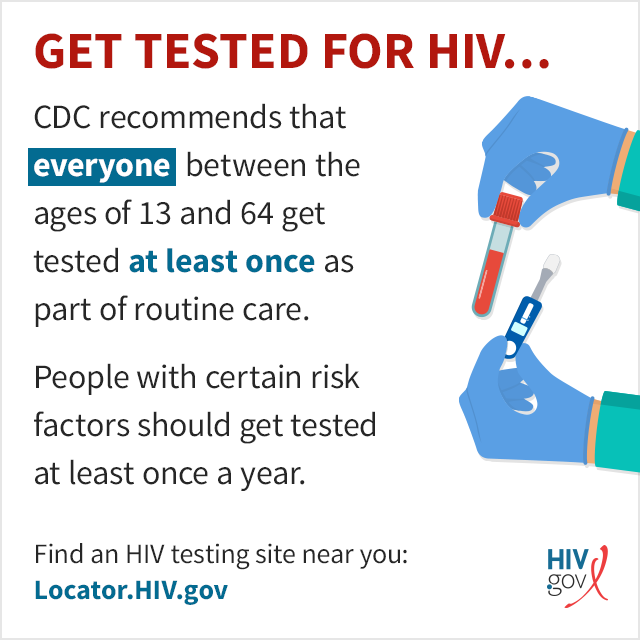
The Centers for Disease Control and Prevention (CDC) recommend that individuals aged 13-64 years old get tested for HIV at least once in their lifetime. Additionally, individuals with high-risk behaviors should get tested more frequently.
What if I test positive for HIV?
If you receive a positive result, follow these steps:
- Consult your healthcare provider immediately
- Undergo further testing (e.g., Test Elisa, PCR)
- Discuss treatment options and lifestyle changes with your healthcare provider
A positive HIV test result means that you have HIV antibodies in your blood. However, it does not necessarily mean that you are symptomatic or will develop AIDS.
Treatment Options
There are several treatment options available for individuals living with HIV:
• Antiretroviral therapy (ART): This is the most common treatment for HIV, which involves taking a combination of medications to suppress the virus.
• Pre-exposure prophylaxis (PrEP): This involves taking daily medication to prevent HIV infection before engaging in high-risk behaviors.
Lifestyle Changes
In addition to medical treatment, there are several lifestyle changes you can make to reduce your risk of contracting HIV:
• Practice safe sex: Use condoms and other barrier methods during sex to reduce the risk of transmission.
• Avoid sharing needles or syringes: This is one of the most effective ways to prevent bloodborne transmission of HIV.
• Get tested regularly: Regular testing can help identify individuals who are infected with HIV, allowing them to receive treatment and take steps to prevent transmission.
Frequently Asked Questions
- How long does it take to get the results of an HIV test?
Typically within 15 minutes for self-tests. - What is the accuracy of HIV tests?
99.7% for self-tests, up to 100% for laboratory tests. - Can I transmit HIV through casual contact?
No, HIV cannot be transmitted through normal interactions like hugging or sharing utensils. - How can I reduce my risk of contracting HIV?
By using condoms and other barrier methods during sex, getting tested regularly, and considering PrEP if necessary. -
What is the difference between a positive and negative test result?
A positive result indicates HIV infection, while a negative result means you are not infected. -
How often should I get retested for HIV?
Regularly, ideally every 3-6 months, especially if you engage in high-risk behaviors. - Can I transmit HIV to my child?
Yes, through vertical transmission during pregnancy, childbirth, or breastfeeding. - Are there any vaccines available for HIV?
Currently, no vaccine is available, but researchers are working on developing one.
By understanding the basics of HIV testing and how it’s contracted, you can take proactive steps to protect yourself and others from infection. Remember to consult your healthcare provider for personalized guidance and support.
Conclusion
HIV testing is an essential step in preventing and managing HIV infection. By understanding the basics of HIV testing and taking proactive steps to protect yourself and others from infection, you can significantly reduce your risk of contracting HIV. Remember to get tested regularly, practice safe sex, and consider PrEP if necessary.


