
Understanding the Risks of Nuclear Disasters
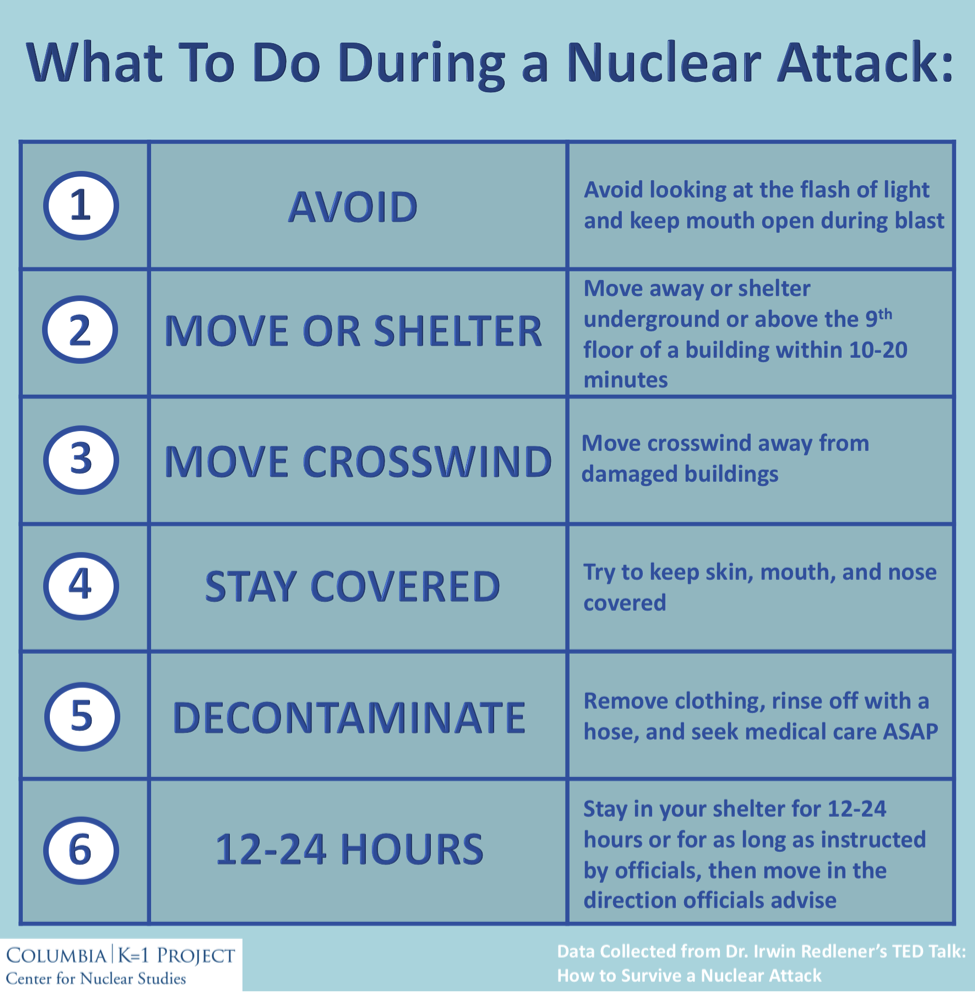
The Chernobyl and Fukushima disasters have left a lasting impact on the world, raising questions about the safety of nuclear energy. As we navigate this complex issue, it’s essential to consider how to survive a nuclear disaster. In this article, we’ll explore the key factors to minimize exposure to radioactive contamination.
Prevention is Key: Minimizing Exposure
When faced with a nuclear disaster, prevention is often the best course of action. By taking steps to avoid exposure to radioactive contaminants, you can reduce your risk of harm.
- Stay informed: Stay up-to-date with local news and alerts from authorities to understand the situation and take necessary precautions.
- Evacuate if ordered: If an evacuation order is issued for your area, follow it promptly. This will help minimize your exposure to radioactive contaminants.
- Cover yourself: Wear protective clothing, such as long-sleeved shirts and pants, to cover exposed skin when outside.
Protecting Yourself from Radioactive Contamination
Radioactive contamination can occur through various means, including:
- Inhalation: Radioactive particles can be inhaled into the lungs, leading to severe health problems.
- Ingestion: Consuming contaminated food or water can also lead to radioactive poisoning.
- Skin contact: Direct skin contact with radioactive materials can cause radiation burns.
To minimize exposure to these risks:
- Use air purifiers: Air purifiers can help remove radioactive particles from the air, reducing your inhalation risk.
- Drink bottled water: Bottled water is a safer alternative to tap water, which may contain radioactive contaminants.
- Avoid eating contaminated food: Only consume food that has been properly packaged and labeled as safe.
Medical Treatment: Limiting Radiation Damage
In some cases, medical treatment may be necessary to limit radiation damage. This can include:
- Iodine supplementation: Iodine can help block radioactive iodine from entering the thyroid gland.
- Radiation shielding: Specialized equipment and materials can provide protection against external radiation sources.
While these measures can help mitigate radiation exposure, they should not be relied upon as the sole means of protection. Always follow established safety protocols and guidelines to minimize your risk of harm.
Conclusion: Staying Safe in a Nuclear Emergency
Surviving a nuclear disaster requires careful planning, preparation, and adherence to safety protocols. By understanding the risks associated with radioactive contamination and taking proactive measures to protect yourself, you can reduce your exposure to radiation and minimize your risk of harm.
Stay informed, follow evacuation orders, and prioritize your health and well-being during a nuclear emergency. With the right knowledge and preparedness, you can navigate these challenging situations and emerge safely on the other side.
FAQs
Q: How long does it take for radioactive contamination to decay?
A: The half-life of radioactive materials varies greatly, ranging from a few minutes to thousands of years. For example, cesium-137 has a half-life of approximately 30.2 years, while plutonium-239 has a half-life of around 24,100 years.
Q: Can I drink tap water during a nuclear emergency?
A: It’s generally recommended to avoid drinking tap water during a nuclear emergency unless it’s been properly treated and filtered. Bottled water is usually safer as an alternative.
Q: How do I protect my thyroid gland from radioactive iodine?
A: Consuming iodized salt or taking iodine supplements can help block radioactive iodine from entering the thyroid gland. However, always follow proper medical guidance and protocols when dealing with radioactive materials.
Q: Can I treat radiation burns at home?
A: No, radiation burns require specialized medical attention. Seek immediate treatment from a qualified healthcare professional to minimize long-term damage.
Q: How can I stay informed about nuclear emergencies in my area?
A: Follow local news sources, sign up for emergency alerts from authorities, and check the website of your local power company or nuclear facility for updates on radiation levels and safety guidelines.
Q: What should I do if I’m evacuated due to a nuclear emergency?
A: Follow evacuation orders promptly, take necessary precautions when outside (e.g., cover exposed skin), and stay informed about radiation levels and safety guidelines in the affected area.
Q: Can I grow my own food during a nuclear emergency?
A: While it’s possible to grow your own food, avoid using contaminated soil or water sources. Follow proper food safety guidelines and take necessary precautions when handling potentially contaminated produce.
Q: How can I protect myself from radiation exposure outside the home?
A: Wear protective clothing (e.g., long-sleeved shirts, pants), use air purifiers, drink bottled water, and avoid eating contaminated food to minimize your risk of radiation exposure while outdoors.
Advanced Nuclear Emergency Preparedness
For those who live in areas with nuclear power plants or are at high risk of radiation exposure, advanced preparation is essential. This includes:
- Radiation monitoring equipment: Invest in personal radiation monitors and sensors to track radiation levels outside the home.
- Nuclear emergency kits: Assemble a comprehensive kit containing essential supplies, such as food, water, first aid materials, and protective gear.
- Emergency communication devices: Keep a two-way radio or satellite phone handy to stay informed and communicate with family members during an emergency.
Community-Based Nuclear Emergency Preparedness
When faced with a nuclear disaster, community support is crucial. Consider:
- Neighborhood meetings: Organize regular meetings with neighbors to discuss emergency preparedness, share information, and coordinate response efforts.
- Community emergency planning: Develop a comprehensive emergency plan that outlines roles, responsibilities, and evacuation procedures for the entire community.
Mental Health and Support
The psychological impact of a nuclear disaster cannot be understated. Be sure to:
- Seek professional help: Consult with mental health professionals if you or someone in your household is experiencing anxiety, depression, or post-traumatic stress disorder (PTSD) symptoms.
- Support groups: Join local support groups to connect with others who have experienced similar traumas and share coping strategies.
Conclusion: Staying Resilient in the Face of Adversity
Surviving a nuclear disaster requires resilience, adaptability, and preparedness. By understanding the risks associated with radioactive contamination and taking proactive measures to protect yourself and your community, you can navigate these challenging situations and emerge stronger on the other side.
Stay informed, follow evacuation orders, and prioritize your health and well-being during a nuclear emergency. With the right knowledge, support, and resources, you can overcome even the most daunting challenges and build a brighter future for yourself and those around you.



