
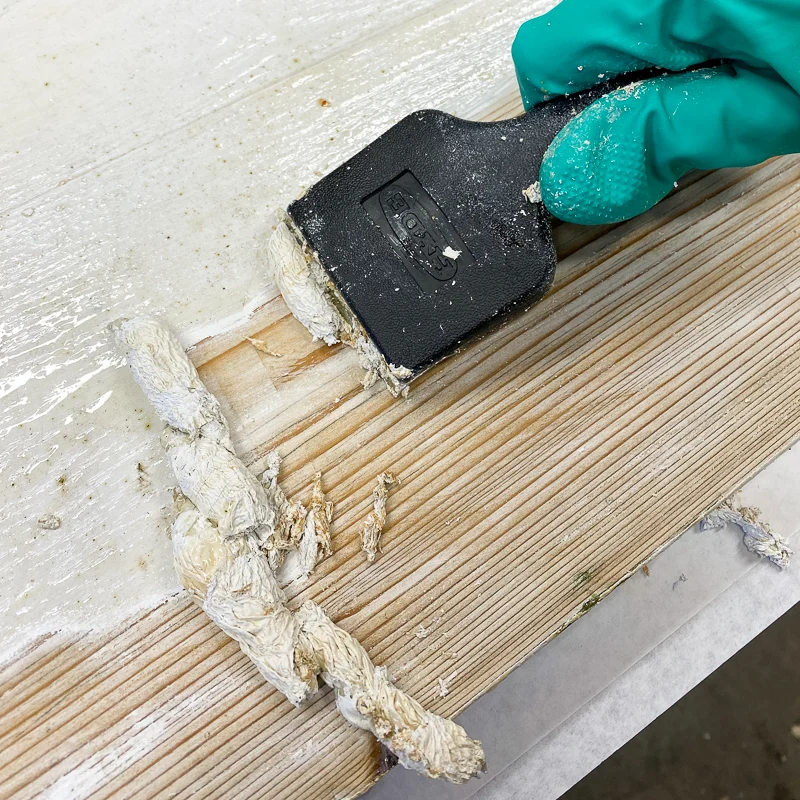
Restoring wooden furniture can be a daunting task, but with the right techniques and tools, it can be a rewarding DIY project. In this article, we’ll explore various methods for sanding wood, including the use of soda caustic, chemical strippers, glass paper, sanders, and air guns. We’ll also cover safety precautions and provide step-by-step instructions for each method.
Choosing the Right Method
Before starting your sanding project, it’s essential to choose the right method for your specific needs. Varnish removal can be done using various methods, including heating (with an air gun), dissolving (soda caustic or chemical strippers), and abrasion (glass paper or sanders).
Safety Precautions
Before proceeding with any sanding method, it’s crucial to take necessary safety precautions. These include wearing gloves and a mask, positioning the furniture in a well-ventilated area, removing accessories and disassembling the piece whenever possible, and protecting rotted or cracked areas with paper tape.
Soda Caustic Stripper for Removing Varnish from Wood
Soda caustic is an aggressive stripper that can effectively remove varnish from wood. However, it’s essential to handle this product with caution due to its toxicity. If you choose to use soda caustic, ensure you wear gloves and a mask, and follow the manufacturer’s instructions carefully.
Materials Needed for Soda Caustic Stripper
To use soda caustic effectively, you’ll need the following materials:
- Gel stripper
- Thick metal brush
- Container with a mop
- Pair of rubber gloves
- Mask for protection
- Roll of paper tape
- Flat mop
Procedure for Using Soda Caustic Stripper
To apply soda caustic, follow these steps:
- Mix the gel stripper with warm water according to the manufacturer’s instructions.
- Apply the solution evenly using a mop, ensuring complete coverage.
- Allow the solution to sit on the varnish for at least 20 minutes to allow it to evaporate and dry out.
- Using the brush, remove the gel by applying gentle pressure in the direction of the wood grain.
- Repeat as necessary until all old varnish is removed.
Materials Needed for Chemical Stripper
For using a chemical stripper, you’ll need:
- Gel stripper
- Thick metal brush
- Container with a mop
- Pair of rubber gloves
- Mask for protection
- Roll of paper tape
Procedure for Using Chemical Stripper
To apply a chemical stripper effectively, follow these steps:
- Apply the solution evenly using a mop.
- Leave it to sit on the varnish for at least 20 minutes to allow it to evaporate and dry out.
- Remove the old varnish by applying gentle pressure with the brush in the direction of the wood grain.
- Repeat as necessary until all old varnish is removed.
Sanding Wood with an Air Gun
An air gun can be a useful tool for sanding wood, especially in hard-to-reach areas like curtains and doorframe hinges. When using an air gun, ensure you wear gloves and a mask, and follow the manufacturer’s instructions carefully.
Materials Needed for Sanding with an Air Gun
To use an air gun effectively, you’ll need:
- Heat gun or air blower
- Various settings (e.g., “Power 1” and “Power 2”)
Procedure for Using an Air Gun
To apply the air gun effectively, follow these steps:
- Choose a setting suitable for your needs.
- Direct the airflow evenly over the surface to be sanded.
- Repeat as necessary until all varnish is removed.
Sanding Wood with Glass Paper
If you’re dealing with small surfaces or sensitive wood, glass paper can be an effective method for sanding. However, this method may not be suitable for all types of varnish and can be slow and tiring.
Materials Needed for Sanding with Glass Paper
To use glass paper effectively, you’ll need:
- Large-grained glass paper
- Smaller grain papers
Procedure for Using Glass Paper
To apply glass paper, follow these steps:
- Pass a large-grained glass paper over the wood to remove most of the varnish.
- Use smaller grain papers for finishing surfaces.
Sanding Wood with Soda Caustic
While soda caustic is an effective stripper, it’s essential to handle this product with caution due to its toxicity. When using soda caustic, ensure you wear gloves and a mask, and follow the manufacturer’s instructions carefully.
Materials Needed for Sanding with Soda Caustic
To use soda caustic effectively, you’ll need:
- Soda caustic
- Wooden mop or paintbrush
- Rags
Procedure for Using Soda Caustic
To apply soda caustic, follow these steps:
- Mix the product with warm water according to the manufacturer’s instructions.
- Gradually mix the solution using a wooden mop.
- Use an old paintbrush or homemade tampon made from a wooden dowel wrapped in rags, to apply the solution to the furniture.
- Allow the solution to sit on the varnish until it has removed it.
Tips for Effective Sanding
- Always wear gloves and a mask when sanding with soda caustic or chemical strippers.
- Use a well-ventilated area to avoid inhaling fumes from chemicals or varnish removal products.
- Remove all accessories, such as knobs and handles, before starting the sanding process.
- Apply paper tape around rotted or cracked areas to protect them during sanding.
Common Mistakes to Avoid
- Using too much soda caustic or chemical stripper, which can damage wood surfaces.
- Failing to follow safety precautions when using aggressive varnish removal products.
- Not waiting long enough for the solution to evaporate and dry out before removing it.
Best Practices for Finishing
After sanding, apply a finish of your choice (e.g., polyurethane, wax, or oil) according to the manufacturer’s instructions. Always follow safety precautions when using finishes.
Conclusion
Restoring wooden furniture can be a rewarding DIY project when done correctly. By choosing the right method and following proper safety precautions, you can effectively remove varnish from wood and restore your furniture to its original beauty.
Frequently Asked Questions (FAQs)
- What is the best method for removing old varnish from wood?
The best method depends on the type of varnish and the desired outcome. Soda caustic, chemical strippers, glass paper, sanders, and air guns can all be effective methods. - How do I choose the right safety gear for sanding?
Choose gloves and a mask that fit properly, and ensure they are designed for sanding and varnish removal. - What is the best way to protect rotted or cracked areas when sanding?
Protect rotted or cracked areas with paper tape before starting the sanding process. - How do I mix soda caustic with water?
Follow the manufacturer’s instructions for mixing the product with warm water. - What are some common mistakes to avoid when using a chemical stripper?
Avoid applying too much solution, failing to follow safety precautions, and not waiting long enough for the solution to evaporate and dry out. - Can I use glass paper on painted wood?
No, glass paper may damage painted surfaces, so it’s best to use this method only on unpainted or naturally finished wood. - How do I choose the right air gun setting for sanding?
Choose a setting suitable for your needs, taking into account the type of varnish and the surface being sanded. - What are some benefits of using an air gun for sanding?
An air gun can be effective for removing varnish from hard-to-reach areas like curtains and doorframe hinges.


