
Unlocking the Power of Solar Energy Storage: A Comprehensive Guide to Overcoming Renewable Energy Challenges
Introduction
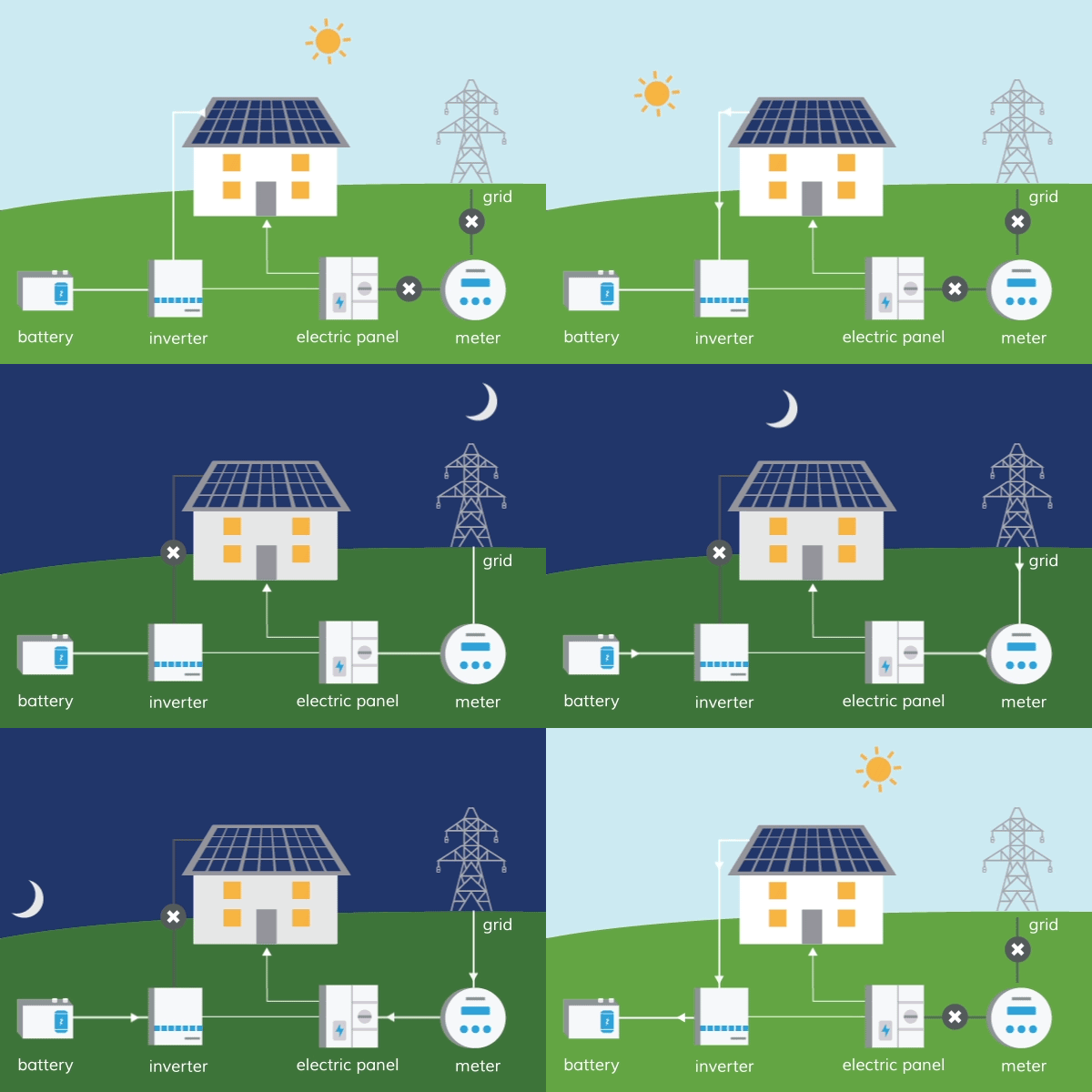
The sun is our most abundant source of renewable energy, but harnessing its power poses significant challenges. One of the biggest hurdles facing renewable energy today is storing solar energy when it’s not available, leaving us vulnerable to power outages and energy instability. However, researchers and innovators are working tirelessly to overcome this hurdle, exploring various methods to harness and store solar energy efficiently and effectively.
The Problem with Solar Batteries
Solar batteries are expensive and degrade quickly, making them an unreliable option for long-term energy storage. This is why many experts agree that we need a more efficient, cost-effective, and reliable method for storing solar energy. In this article, we’ll explore the most promising solutions to this problem.
Storing Solar Energy with Batteries
There are specialized batteries available in the market that can store large amounts of solar energy. Two examples include:
- Smart Energy Storage by Panasonic: This cutting-edge battery technology uses advanced materials and design to optimize energy storage and release.
- Kyocera Solar: Kyocera’s innovative approach combines solar panels with high-capacity batteries, enabling efficient and reliable energy storage.
Storing Solar Energy with Diamond Photovoltaic
Enel has been working on a revolutionary diamond photovoltaic system in collaboration with the University of Pisa and the Province of Florence. This groundbreaking technology stores energy generated from sunlight as hydrogen, providing a sustainable solution for future energy needs.
How it Works
The structure consists of 38 solar panels installed on-site, capturing electricity directly from sunlight during the day. The unused energy is then stored in the form of hydrogen through fuel cells, which can be used at night to power homes and businesses.
During the daytime, the sun’s energy is converted into low-voltage electricity (48Vcc) for household use. Any excess energy is sent to an electrolyzer, dividing water into oxygen and hydrogen, which is then accumulated in a separate tank.
At night, stored energy from during the day is used through a fuel cell that transforms chemical energy contained in hydrogen into electricity, ensuring continuous lighting and power.
Storing Solar Energy with Compressed Air Technology
The “Light Sail Energy” project led by scientist Danielle Fong explores compressed air technology for storing renewable energy not utilized. This innovative approach harnesses solar panel-produced energy to power a compressor, pumping air into a tank.
To reuse this energy, the air is simply released and used to power an electricity generator. However, one of the main challenges with compressed air is its efficiency, as heat generated by the process is still lost.
Introducing Light Sail Energy
The project aims to solve this problem by keeping constant temperatures both in compression and expansion, using water to stabilize the temperature. This concept has been successfully tested and is now entering the development phase, with a first prototype expected to be delivered by the end of 2013.
Storing Solar Energy through Electrolysis
Researchers at the University of Wisconsin-Madison have made a groundbreaking discovery in selecting catalysts for creating and storing solar energy. This method involves transforming substances like water, carbon dioxide, and others into substances that can store solar energy through electrolysis.
The Challenge
However, finding efficient, easily accessible, and affordable electrocatalysts remains a significant hurdle. Despite this challenge, the sun is undoubtedly the largest source of energy on our planet.
FAQs
- Is it possible to store solar energy for extended periods?
- Yes, with advancements in battery technology and innovative storage methods.
- What are the benefits of storing solar energy?
- Reliable power supply, reduced reliance on traditional grid electricity, and lower carbon emissions.
- How can I start harnessing the power of solar energy storage?
- Research available options for your area, consult with experts, and consider investing in a home solar panel system.
- What are the most promising methods for storing solar energy?
- Battery technology, diamond photovoltaic systems, compressed air technology, and electrolysis-based methods.
- Can I use stored solar energy to power my entire household?
- Yes, but it depends on your specific needs and the efficiency of your storage system.
- How efficient is solar energy storage compared to traditional grid electricity?
- The efficiency of solar energy storage varies depending on the method used, but advancements in technology are increasing its competitiveness.
- Can I use stored solar energy during extreme weather conditions?
- Yes, with proper design and implementation, solar energy storage systems can provide reliable power during storms or grid outages.
- What role will compressed air technology play in the future of renewable energy?
- Compressed air technology has the potential to significantly improve energy efficiency and reduce greenhouse gas emissions.
Conclusion
As we move forward into a more sustainable energy future, innovative solutions like solar energy storage will play a vital role. By embracing these advancements, we can unlock new possibilities for reliable, clean, and efficient power generation. With the sun as our most abundant source of renewable energy, it’s time to harness its power and create a brighter, more sustainable future for all.
Recommendations
- Invest in solar panel systems: Research available options for your area and consider investing in a home solar panel system.
- Explore battery technology advancements: Stay up-to-date with the latest developments in battery technology and innovative storage methods.
- Support compressed air technology research: Encourage innovation and development of compressed air technology, which has the potential to significantly improve energy efficiency and reduce greenhouse gas emissions.
- Advocate for grid resilience: Push for policies and infrastructure that prioritize grid resilience and reliability, ensuring a stable power supply during extreme weather conditions.
By working together, we can unlock the full potential of solar energy storage and create a more sustainable future for all.


