
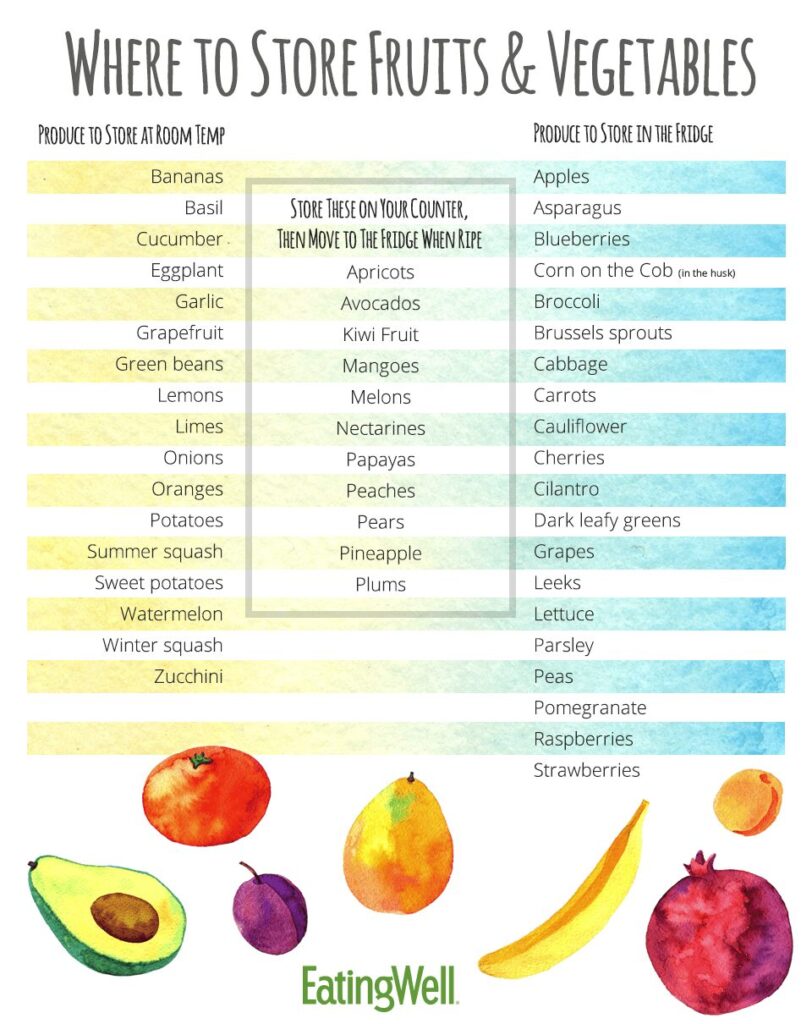
As we strive to reduce our environmental footprint, it’s essential to understand the importance of conserving fresh produce. Not only does this help minimize food waste, but it also saves you money and ensures a steady supply of nutritious foods. In this article, we’ll delve into the strategies for preserving fruits and vegetables, both in and out of the refrigerator.
Why Preserving Fresh Produce Matters
Every day, we discard edible food without realizing the full extent of its impact on our environment. The numbers are staggering: 3.3 billion tons of CO2 emissions from food waste alone, with water usage equivalent to three times the annual flow of the Volga River or the volume of Lake Geneva. By learning how to preserve fresh produce, we can significantly reduce these statistics and create a more sustainable future.
The Benefits of Preserving Fresh Produce
Preserving fruits and vegetables not only helps save resources but also promotes biodiversity and reduces climate change. By adopting these simple strategies, you’ll be contributing to a healthier environment and saving money in the process. To get started, let’s explore some essential tips for preserving fresh produce.
Understanding the Importance of Storage
Before we dive into specific techniques, it’s crucial to understand why certain fruits and vegetables require special care. Some produce is highly perishable due to its high water content or natural ethylene production. This can lead to premature spoilage when stored in the refrigerator.
Removing Plastic Packaging from Fresh Produce
When shopping for fresh produce, opt for items without packaging whenever possible. When you do need to wrap your purchases, use a paper towel or cloth napkin instead of plastic wrap. Simply puncturing the wrapping material will allow excess moisture to escape while preventing contamination.
Storing Fruits and Vegetables in the Refrigerator
Not all fruits and vegetables require refrigeration, but for those that do, it’s essential to store them correctly. For example, onions, garlic, and potatoes should be stored at room temperature due to their high starch content. On the other hand, leafy greens like spinach and kale are best kept refrigerated.
The Shelf Life of Fruits and Vegetables
Some fruits and vegetables have an impressive shelf life when properly stored. Broccoli, for instance, can last up to three weeks if stored in a sealed plastic bag or wrapped tightly with paper towels. Similarly, carrots can be stored for months by wrapping them in paper towels and placing them in the refrigerator.
Dehydrating Fruits and Vegetables
Dehydration is another effective method for preserving fruits and vegetables. When done correctly, dehydration allows for the removal of excess moisture while retaining essential nutrients.
Additional Tips for Preserving Fresh Produce
- Clean your refrigerator regularly to prevent bacterial growth.
- Store produce in a single layer to allow air circulation.
- Freeze berries and leafy greens to preserve them for future use.
- Use an ethylene gas absorber to slow down ripening.
By implementing these simple strategies, you’ll be well on your way to reducing food waste and preserving fresh produce. Not only will this benefit the environment, but it will also save you money and ensure a steady supply of nutritious foods.
Frequently Asked Questions
- Q: What types of fruits and vegetables should I store in the refrigerator?
A: Leafy greens like spinach, kale, and lettuce, as well as berries, herbs, and citrus fruits. - Q: Can all fruits be stored in the refrigerator?
A: No, some fruits like bananas, avocados, and pineapples should be stored at room temperature due to their high ethylene production. - Q: How often should I clean my refrigerator?
A: At least once a week to prevent bacterial growth. - Q: Can dehydrating fruits and vegetables help reduce food waste?
A: Yes, dehydration allows for the removal of excess moisture while retaining essential nutrients. - Q: What is ethylene gas, and why is it important in produce storage?
A: Ethylene gas is a natural plant hormone that promotes ripening. When stored properly, fruits and vegetables can avoid excessive ethylene production. - Q: Can I use my refrigerator to freeze fruits and vegetables?
A: Yes, but make sure the produce is first cooled or blanched to prevent nutrient loss. - Q: How long do fruits and vegetables typically last when stored properly?
A: The shelf life depends on various factors like storage conditions, handling, and type of produce.
Advanced Techniques for Preserving Fresh Produce
For those looking to take their produce preservation skills to the next level, here are some advanced techniques worth exploring:
- Root Cellaring: This method involves storing fruits and vegetables in a cool, dark place with high humidity to slow down ripening.
- Canning: Canning is a popular method for preserving fruits and vegetables by packing them in airtight containers and heating them to kill off bacteria and other microorganisms.
- Freezing: Freezing is another effective way to preserve fruits and vegetables, especially berries and leafy greens.
Conclusion
Preserving fresh produce is not only an eco-friendly practice but also ensures access to nutritious food throughout the year. By understanding how to store fruits and vegetables properly, we can significantly reduce food waste and create a more sustainable future. Whether you’re looking for simple techniques like refrigeration or advanced methods like root cellaring, there’s a preservation method that suits your needs.
Further Resources
- National Geographic: Offers tips on preserving fresh produce using various methods.
- Food Preservation Association: Provides detailed guides and resources for food preservation enthusiasts.
- Local Harvest: Lists farmers markets and farm stands where you can purchase fresh, locally grown produce.


