
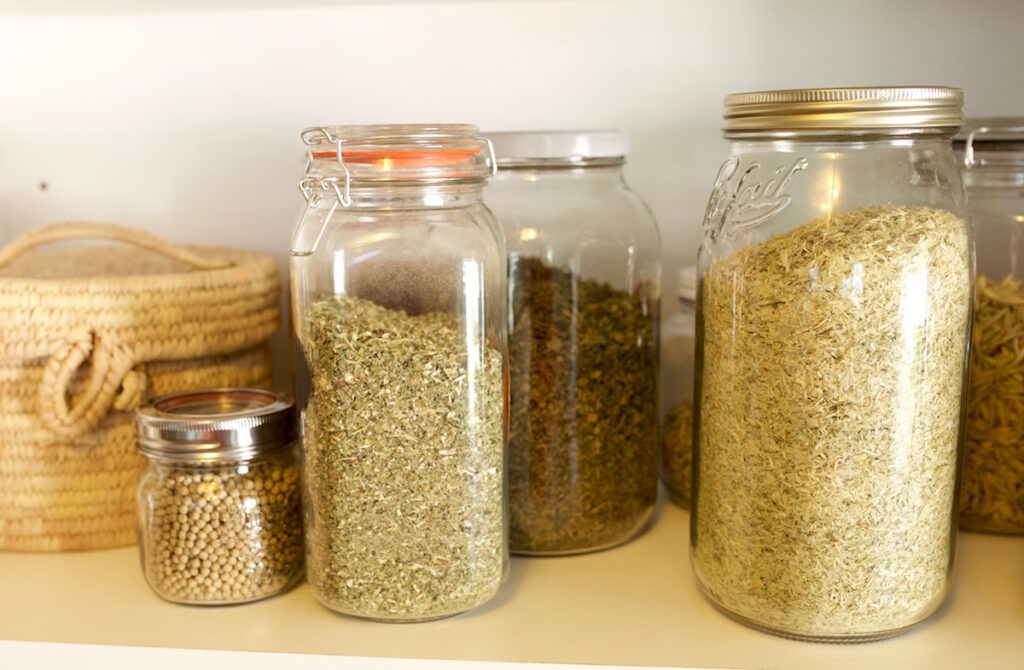
Preserving herbs is an essential skill for any gardener, cook, or herbalist. With the right techniques and tools, you can enjoy your fresh herbs year-round, even during the coldest winter months. In this article, we’ll explore the best methods for preserving both fresh and dried herbs, covering everything from classic drying techniques to modern alternatives.
Drying Herbs: A Timeless Method
Drying herbs is one of the oldest and most reliable ways to preserve them. By removing the moisture from the herb, you can prevent bacterial growth and spoilage. There are several methods for drying herbs, including:
- Air-drying: This method involves tying the herbs in small bunches and hanging them upside down in a warm, dry place.
- Electric desiccators: These machines use heat and air circulation to speed up the drying process.
- Oven drying: Preheat your oven to its lowest temperature setting (usually around 150°F) and place the herbs on a baking sheet lined with parchment paper. Leave the door slightly ajar to allow for airflow.
- Sun-drying: This method involves laying out the herbs in a single layer on a clean surface, such as a paper towel or a cloth. Cover them with cheesecloth or a mesh screen to keep insects away.
Preserving Fresh Herbs
While drying is an excellent way to preserve herbs, some people prefer to use fresh herbs immediately or store them for shorter periods of time. If you want to preserve fresh herbs, consider the following methods:
- Sous-vide: This method involves sealing the herb in a bag and submerging it in water at a controlled temperature.
- Salt: Mix salt with the herb and let it sit for several days or weeks. The salt will draw out moisture from the herb, creating a concentrated flavor.
- Oil: Place the herb in an oil, such as olive or coconut oil, and seal the container. Let it sit for a few weeks before using.
- Freezing: Chop the herb finely and place it in airtight containers or freezer bags. Label and date the containers for easy identification.
Tips and Tricks
Before you start preserving herbs, keep these tips in mind:
- Always clean and dry your equipment thoroughly to prevent contamination.
- Use glass containers or plastic containers specifically designed for canning to ensure safety.
- Label and date all containers so you know what’s inside and when it was preserved.
- Store preserved herbs in a cool, dark place to maintain flavor and aroma.
Common Herb Preservation Methods
Here are some popular herb preservation methods you might find helpful:
1. Drying Fresh Mint
Mint is one of the easiest herbs to dry because of its high water content. Simply tie the mint leaves into small bunches and hang them upside down in a warm, dry place.
2. Freezing Basil
Basil can be frozen whole or chopped into smaller pieces. To freeze basil, chop it finely, place it in an airtight container or freezer bag, and label the container with the date and contents.
3. Dehydrating Lemon Balm
Lemon balm is another herb that can be dehydrated using your oven or electric desiccator. Simply place the leaves on a baking sheet lined with parchment paper and dry at 150°F for several hours.
Frequently Asked Questions (FAQs)
Here are some common questions people have about preserving herbs:
-
How long does it take to preserve herbs?
Drying fresh herbs can take anywhere from a few days to several weeks, depending on the method used. Air-drying typically takes 3-7 days, while electric desiccators and oven drying methods can speed up the process.
-
What are the best herbs to freeze?
Some of the best herbs to freeze include basil, mint, lemon balm, rosemary, thyme, and parsley. These herbs retain their flavor and aroma when frozen and can be used in soups, salads, sauces, and other recipes.
-
Can I use my oven to dry herbs?
Yes, you can use your oven to dry herbs. Set the temperature to its lowest setting (usually around 150°F) and place the herbs on a baking sheet lined with parchment paper. Leave the door slightly ajar to allow for airflow.
-
How do I store preserved herbs?
Preserved herbs should be stored in a cool, dark place. Use glass containers or plastic containers specifically designed for canning, and label the containers with the date and contents.
-
Can I use salt to preserve herbs?
Yes, you can use salt to preserve herbs. Mix salt with the herb and let it sit for several days or weeks. The salt will draw out moisture from the herb, creating a concentrated flavor.
Conclusion
Preserving herbs is an art that requires patience, practice, and attention to detail. By mastering various preservation methods, you can enjoy your favorite herbs year-round and add a touch of freshness to any dish. Whether you’re a seasoned gardener or a curious cook, this guide has provided you with the tools and knowledge necessary to preserve herbs like a pro.
Additional Resources
If you’re interested in learning more about preserving herbs, here are some additional resources:
- Herb preservation books: Check out books from your local library or purchase them online.
- Online forums: Join online forums dedicated to herb gardening and preservation to connect with other enthusiasts.
- Workshops and classes: Look for workshops and classes in your area that teach herb preservation techniques.
By expanding your knowledge of herb preservation methods, you can unlock the full potential of your herbs and enjoy their flavors and aromas all year round.


