
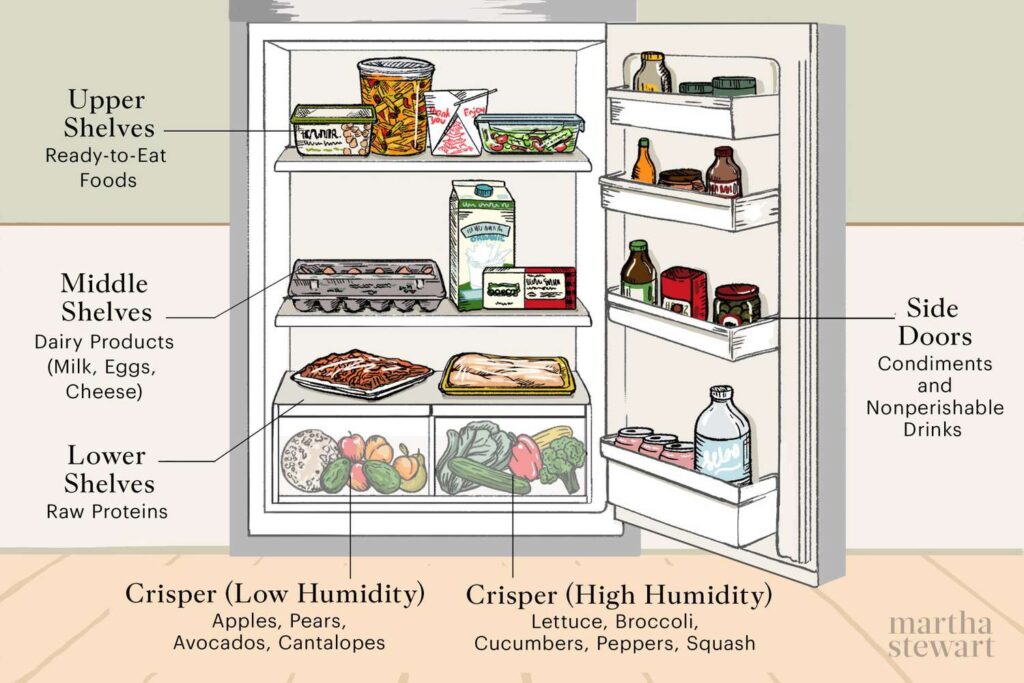
As a homeowner, ensuring that your refrigerator is functioning efficiently and safely storing your food is crucial. But did you know that improper storage can lead to spoilage, contamination, and even health risks? In this article, we’ll explore the essential guidelines for conserving food in your refrigerator, helping you make the most of your appliance while keeping your family healthy and safe.
Preventing Food Spoilage: Refrigerator Essentials
Before storing your food, make sure your refrigerator is free from heat sources and that it’s properly maintained. This includes:
- Keeping the fridge away from direct sunlight and heat-emitting appliances
- Regularly defrosting the condenser coils to ensure proper airflow
- Cleaning the condenser coils every 3-6 months to maintain efficiency
- Checking the door seals for any signs of wear or damage, as this can compromise the refrigerator’s ability to maintain a consistent temperature
Additionally, it’s essential to understand how your refrigerator’s temperature zones work. As you’ll discover, different areas of the fridge are designed for specific types of food. By understanding these zones, you can optimize your storage and prevent spoilage.
Understanding Refrigerator Temperature Zones
Most modern refrigerators have three main temperature zones: the freezer, the refrigerator compartment, and the crisper drawers. Each zone is designed to maintain a specific temperature range, which affects the freshness and quality of the food stored in each area.
- Freezer Zone: The freezer zone typically maintains a temperature between -18°C and -22°C (0°F and -8°F). This low temperature slows down the growth of bacteria and other microorganisms, making it ideal for storing frozen foods like meat, fish, and vegetables.
- Refrigerator Compartment: The refrigerator compartment usually maintains a temperature between 3°C and 6°C (37°F to 43°F). This temperature range is suitable for storing dairy products, fruits, and vegetables that require a consistent cool environment.
- Crisper Drawers: Crisper drawers are designed to maintain high humidity levels, typically above 90%. These drawers are ideal for storing fruits and vegetables that need a humid environment to stay fresh.
Best Practices for Food Storage
To ensure optimal storage and prevent cross-contamination, follow these guidelines:
- Keep frequently used items at eye level to minimize walking distances
- Organize food into categories (e.g., fruits, vegetables, dairy) to maintain a clean and accessible layout
- Label containers with the date they were stored to help you identify the freshness of your food
- Store raw meat, poultry, and seafood in covered containers or bags to prevent juices from dripping onto other items
- Keep cooked leftovers at room temperature for no more than 2 hours before refrigerating them
- Use airtight containers to store ingredients like flour, sugar, and spices
Packing Smart: Tips for Efficient Storage
When packing your refrigerator, consider these clever tips:
- Store raw meat and fish in leak-proof bags or containers to prevent juices from dripping onto other items
- Keep cooked leftovers at room temperature for no more than 2 hours before refrigerating them
- Use dividers or baskets to separate food categories and maintain a clean environment
- Label storage containers with their contents and the date they were stored
- Store frequently used items in easy-to-reach locations
Maximizing Refrigerator Efficiency
To ensure your refrigerator runs efficiently, follow these expert tips:
- Avoid overcrowding the fridge, as this can compromise airflow and lead to increased energy consumption
- Don’t block air vents with storage containers or other obstructions
- Regularly check expiration dates and consume perishable items before they go bad
- Keep your refrigerator organized and clutter-free to improve air circulation
- Use a refrigerator timer to ensure that you use up perishable items within the recommended time frame
Conclusion: Refrigerator Storage 101
By following these simple guidelines, you’ll be well on your way to optimizing your refrigerator’s performance and keeping your food fresh for longer. Remember to regularly inspect your fridge, maintain its cleanliness, and adjust the temperature settings according to your needs.
Frequently Asked Questions (FAQs)
- Q: How often should I defrost my refrigerator?
A: It’s recommended to defrost your fridge every 3-6 months to ensure optimal performance and prevent bacterial growth. - Q: Can I store raw meat on the top shelf of my refrigerator?
A: No, it’s best to store raw meat on the bottom shelf to maintain a clean and organized environment. - Q: How can I prevent cross-contamination between raw meat and other food items?
A: Use leak-proof containers or bags for raw meat, keep them at the bottom of the fridge, and label them clearly. - Q: Can I store cooked leftovers in the refrigerator for more than 2 hours?
A: No, it’s best to refrigerate cooked leftovers within 2 hours of cooking to prevent bacterial growth. - Q: Why is it essential to maintain a consistent refrigerator temperature?
A: Maintaining a consistent temperature helps prevent spoilage and foodborne illnesses by slowing down the growth of bacteria and other microorganisms. - Q: Can I store frozen food in the same compartment as fresh food?
A: No, it’s best to store frozen food separately from fresh food to maintain optimal storage conditions. - Q: How can I reduce energy consumption while using my refrigerator?
A: Regularly check expiration dates, consume perishable items before they expire, and avoid overcrowding your fridge. - Q: Can I store dairy products in the freezer instead of the refrigerator?
A: No, it’s best to store dairy products at a consistent refrigerator temperature (around 40°F) for optimal freshness and quality.
By following these guidelines and expert tips, you’ll be well on your way to optimizing your refrigerator’s performance, keeping your food fresh, and ensuring a healthier and safer environment for your family.


