
Understanding the Crisis of Global Hunger
As we sit down to enjoy a meal, many people around the world are struggling to find their next bite. The irony is stark: while some parts of the world produce an abundance of food, others are on the brink of starvation. This paradox is what we call “the hunger crisis” – and it’s time for us to take action.
The Alarming Statistics
Millions of people in the world’s poorest regions face a daily struggle to find enough food to eat. The Sahel region alone is home to 13 million people at risk of starvation, with droughts and lack of agricultural resources exacerbating the crisis. In Mauritania, a staggering 700,000 people – nearly a quarter of all families – have difficulty meeting their daily food needs.
Why Should We Care?
These numbers might seem like statistics, but they represent real human beings – men, women, children, and families who are struggling to survive. They deserve our help and support. By working together, we can make a difference and fight hunger in the world.
The Root Causes of Global Hunger
Global hunger is not just a simple issue of food scarcity; it’s rooted in complex factors such as:
- Poverty: The lack of economic opportunities and resources makes it difficult for people to afford nutritious food.
- Climate Change: Rising temperatures, changing precipitation patterns, and increased frequency of extreme weather events threaten global food security.
- Conflict and Displacement: Wars, persecution, and displacement can disrupt agricultural production, leading to food shortages and hunger.
Direct Action: Humanitarian Initiatives
One way to address global hunger is through direct action, led by humanitarian organizations like Oxfam. These efforts include:
- Food Aid Programs: Providing emergency food assistance to those in need, often through food vouchers or cash transfers.
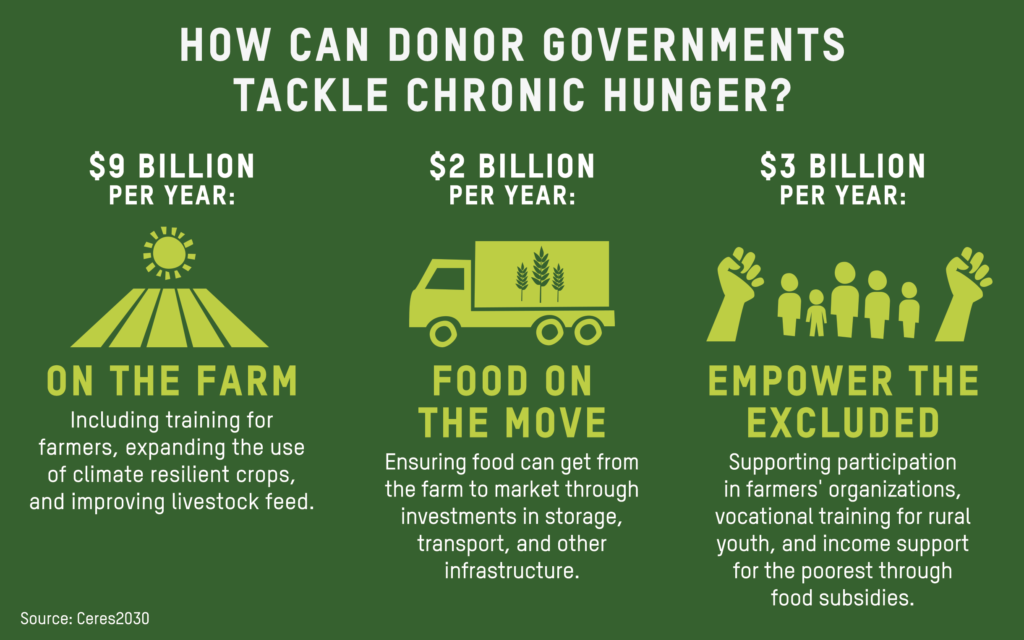
- Agricultural Development Projects: Supporting small-scale farmers and agricultural cooperatives to improve crop yields and income stability.
- Advocacy and Policy Change: Working with governments, international organizations, and local communities to promote policies that address the root causes of hunger.
The Problem with the Current System
The current system of food production and distribution is not working. In West Africa, 18 million people are struggling to access basic nutrition due to lack of investment in sustainable agriculture and poverty alleviation programs. It’s time to rethink our approach and focus on long-term solutions that benefit both people and the planet.
Indirect Action: Sustainable Living
While direct action is crucial, we can also contribute to the solution by making personal choices about what we eat and how we live. By:
- Reducing Meat Consumption: Animal agriculture is a significant contributor to greenhouse gas emissions; reducing our meat intake can help mitigate this impact.
- Supporting Local Farmers: Buying locally grown produce not only supports small-scale farming but also reduces transportation costs and promotes sustainable agriculture practices.
Sustainable Agriculture Practices
Adopting sustainable agriculture practices can help address global hunger. Some examples include:
- Organic Farming: Using natural methods to control pests and diseases, reducing chemical use and promoting soil health.
- Agroforestry: Integrating trees into agricultural landscapes to improve biodiversity, reduce erosion, and promote ecosystem services.
- Precision Agriculture: Using technology to optimize crop yields, reduce waste, and promote water efficiency.
Breaking the Cycle of Hunger
Fighting hunger in the world requires more than just providing food aid. It demands a fundamental shift in our approach to agriculture, poverty alleviation, and environmental sustainability. By working together – through direct action and indirect means – we can break the cycle of hunger and create a brighter future for all.
Frequently Asked Questions
- What is the Sahel region?
The Sahel region is a strip of land in West Africa, stretching from Senegal to Ethiopia, characterized by semi-arid conditions and limited agricultural resources. - How can I support humanitarian efforts?
Donate to reputable organizations like Oxfam, volunteer for food aid programs, or participate in fundraising campaigns. - What role does climate change play in global hunger?
Climate change exacerbates existing food insecurity issues by disrupting agricultural cycles, reducing crop yields, and increasing weather-related disasters.
By working together, we can fight hunger in the world and create a more equitable future for all.


