
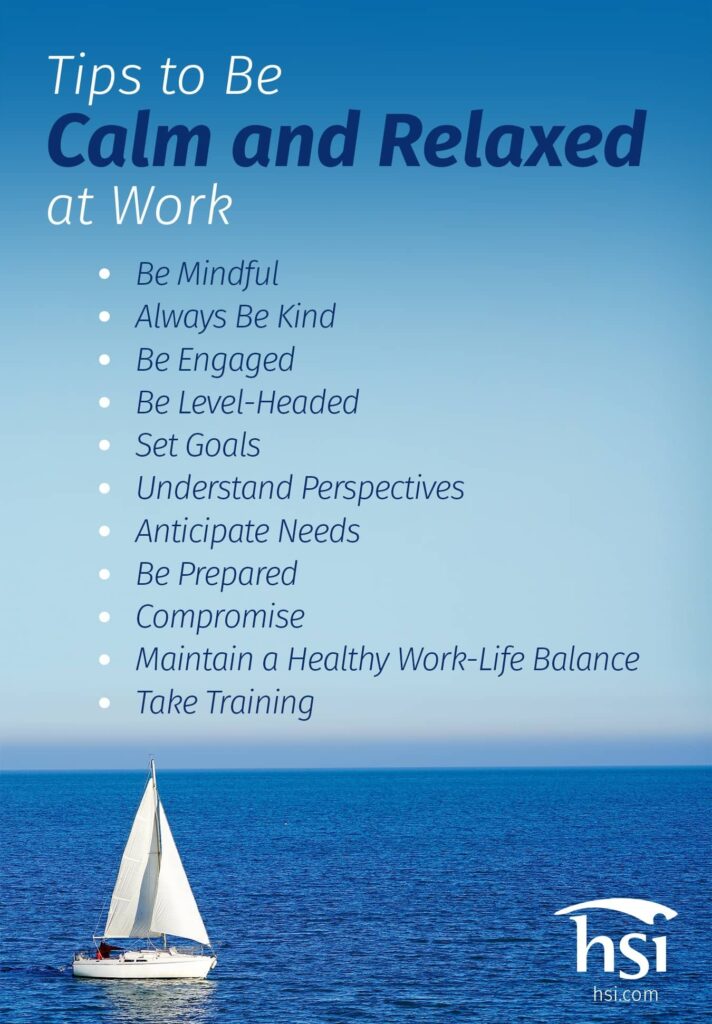
Staying calm in every situation is a skill that can be developed with practice, patience, and self-awareness. It’s not about being a doormat or ignoring the emotions that arise; it’s about learning to manage them effectively, without letting them take over.
Understanding the Impact of Anger on Decision-Making
Anger can have a profound impact on our decision-making processes. When we’re angry, we’re more likely to make impulsive decisions that might not be in our best interest. This is because anger clouds our judgment and can lead us to act on emotions rather than reason.
For instance, imagine you’re having a disagreement with someone at work, and your coworker says something that really gets under your skin. In the heat of the moment, you might lash out and say something hurtful or make a decision without thinking it through. However, if you had taken a step back to calm down and collect your thoughts, you might have responded more rationally and constructively.
The Importance of Self-Awareness
Self-awareness is the first step towards managing our emotions effectively. It involves recognizing when we’re feeling angry, anxious, or frustrated, and taking steps to address these feelings before they escalate into something more destructive. By becoming more aware of our thoughts, emotions, and behaviors, we can develop a greater sense of control over our reactions.
One effective way to cultivate self-awareness is by practicing mindfulness meditation. This involves sitting quietly, focusing on your breath, and observing your thoughts without judgment. As you sit in stillness, pay attention to any physical sensations or emotional states that arise within you.
The Power of Deep Breathing
Deep breathing is a simple yet effective technique for calming the mind and body. When we take slow, deep breaths, we can calm down quickly and respond to situations in a more thoughtful and rational way. This technique has been shown to reduce stress and anxiety levels significantly, making it an excellent tool for managing emotions.
To practice deep breathing exercises, find a quiet spot where you can sit comfortably without distractions. Close your eyes and take a slow, deep breath through your nose, filling your lungs completely. Hold the breath for a few seconds before exhaling slowly through your mouth.
As you continue to breathe deeply, focus on the sensation of the air moving in and out of your body. Pay attention to any physical sensations or emotions that arise as you inhale and exhale.
Breaking Down Self-Criticism
We’ve all been guilty of beating ourselves up over our thoughts, words, or actions at some point. However, this self-criticism can be debilitating and lead to feelings of guilt, shame, and anxiety. To break down these negative thought patterns, it’s essential to recognize that we’re not always being objective.
When we criticize ourselves, we often project our own biases onto the world around us. This means that we might judge others or situations based on our own flaws and shortcomings rather than looking at them objectively.
To begin breaking down self-criticism, try practicing self-compassion. This involves treating yourself with kindness and understanding, just as you would a close friend. Acknowledge your mistakes and imperfections, but also remind yourself that everyone makes errors and learns from their experiences.
Shaking Up Routine
Sometimes, stress and anxiety can become ingrained habits that we repeat without even realizing it. To break free from this cycle, it’s essential to mix things up and try new approaches. This might involve changing our daily routine, trying new activities, or simply taking a different route to work.
One effective way to shake up your routine is by scheduling regular “break” times throughout the day. Take short breaks to stretch, move around, or practice deep breathing exercises.
Taking Care of Ourselves
Self-care is essential for maintaining emotional balance and resilience. When we prioritize our physical and emotional well-being, we’re better equipped to handle life’s challenges. This involves taking care of our bodies through regular exercise, healthy eating, and sufficient sleep.
Additionally, practicing mindfulness, meditation, or other relaxation techniques can help calm the mind and reduce stress levels. Make time for activities that bring you joy and fulfillment, whether it’s reading a book, spending time with loved ones, or pursuing a hobby.
The Importance of Sleep
Sleep is often overlooked as a crucial aspect of overall health, but it plays a significant role in managing stress and anxiety. When we don’t get enough sleep, we can become irritable, anxious, and reactive, making it more challenging to cope with daily life.
To prioritize sleep, establish a consistent bedtime routine that signals to your body that it’s time to wind down. Avoid screens and electronics before bedtime, and create a cozy sleep environment by keeping the room cool, dark, and quiet.
Finding Humor in Life
Finally, one of the most effective ways to manage stress and anxiety is by learning to laugh at ourselves. When we can find humor in our mistakes or setbacks, we can begin to let go of the need for perfection and control.
To cultivate a sense of humor, try practicing gratitude exercises. Reflect on the things you’re thankful for each day, no matter how small they may seem. This helps shift your focus away from stress and anxiety and towards the positive aspects of life.
Additionally, try to find the absurdity or irony in everyday situations. For example, if you’re having a tough day at work, remind yourself that you’re only human and that mistakes are an inevitable part of growth.
Q&A
-
What’s the most effective way to manage stress and anxiety?
While there is no one-size-fits-all solution, practicing deep breathing exercises, self-awareness, and self-care can help reduce stress and anxiety levels. -
How can I break down self-criticism?
Recognizing that we’re not always being objective is the first step towards breaking down self-criticism. By acknowledging our biases and letting go of negative thought patterns, we can develop a more compassionate attitude towards ourselves. -
What are some simple ways to shake up my routine?
Try changing your daily routine by taking a different route to work, trying new activities, or simply doing things at a different time of day. -
How can I take better care of myself?
Prioritize self-care by establishing a consistent bedtime routine, getting regular exercise, eating healthy foods, and practicing mindfulness or meditation. -
What’s the importance of sleep for managing stress and anxiety?
Sleep plays a critical role in managing stress and anxiety by regulating our mood, energy levels, and emotional resilience. -
How can I find humor in life?
Try to laugh at yourself and your mistakes. Find joy in the simple things and don’t take life too seriously. -
What are some exercises for managing anger?
Deep breathing exercises, physical exercise, and mindfulness practices like meditation or yoga can help manage anger and reduce stress levels. -
How can I develop greater self-awareness?
Practice recognizing your thoughts, emotions, and behaviors, and take steps to address these feelings before they escalate into something more destructive. -
What are some tips for managing frustration?
Take a break, engage in physical activity, or practice deep breathing exercises to calm down and regain control. -
How can I prioritize self-care?
Prioritize self-care by establishing a consistent bedtime routine, getting regular exercise, eating healthy foods, and practicing mindfulness or meditation.


