
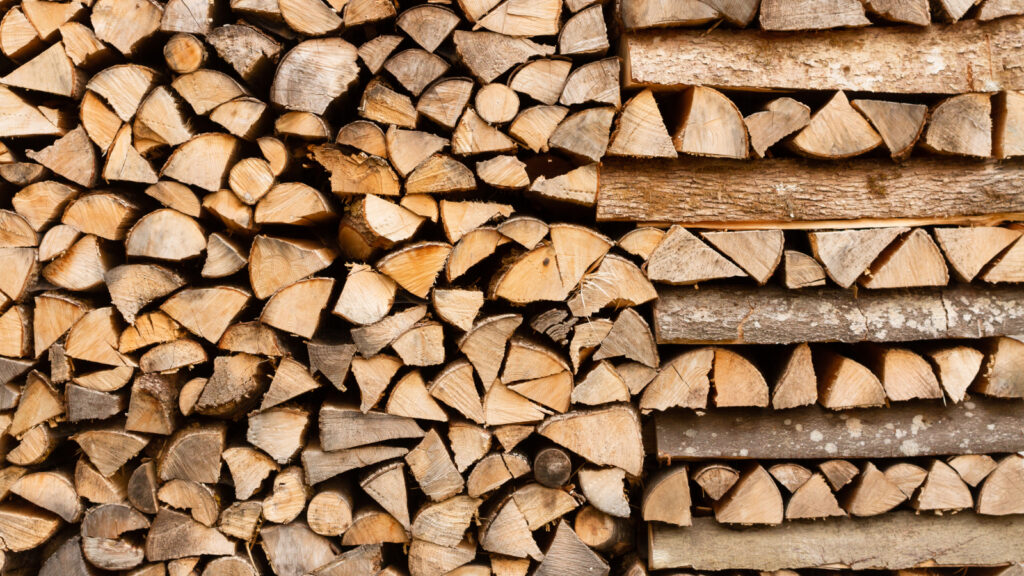
As a seasoned camper, you know that stacking firewood is an art that requires skill and patience. The right techniques can ensure that your wood is stored efficiently, protected from the elements, and ready for use whenever you need it. In this article, we’ll explore the basics of stacking firewood, provide tips on how to do it safely and effectively, and discuss some common pitfalls to avoid.
The Importance of Choosing the Right Location
Before you start stacking firewood, it’s essential to choose a location that meets your needs. Look for a spot that is:
- Paved or compacted: This will prevent shifting and damage to your wood
- Well-ventilated: Good airflow ensures that moisture doesn’t accumulate and creates an ideal environment for mold and mildew growth
- Accessible by vehicle or foot: It’s crucial to have easy access to your firewood when you need it
Avoid storing firewood in garages, as this can create an ideal environment for rodents and other pests. These unwanted critters can damage your wood, cause infestations, and lead to health risks.
The Basics of Stacking Firewood
When it comes to stacking firewood, there are several techniques to choose from. The most common methods include:
- Pyramidal stacks: This is the most efficient way to store firewood, as it allows for maximum airflow and minimizes moisture accumulation
- Rectangular stacks: This method is less efficient than pyramidal stacks but can be useful in tight spaces
Regardless of the technique you choose, make sure to follow these general guidelines:
- Use fresh wood that has been seasoned for at least six months. Seasoning wood allows it to dry out and become more suitable for burning.
- Keep the wood dry by storing it in a well-ventilated area. Moisture can lead to mold and mildew growth, which can be dangerous
- Avoid stacking wood too high, as this can create a fire hazard. Make sure to keep your stacks at or below 12 inches (30 cm) to ensure safety.
Tips and Tricks
Here are some additional tips to keep in mind when stacking firewood:
- Use a level to ensure that your stacks are even and stable
- Keep a clean workspace by sweeping up debris and dust regularly. This will prevent mold and mildew growth
- Consider using a firewood rack or storage bin to keep your wood organized and protected
Common Pitfalls to Avoid
When it comes to stacking firewood, there are several common pitfalls to avoid:
- Mold and mildew: These can grow on wet wood, making it unsafe for use. To prevent this, make sure to dry your wood thoroughly before storing it
- Rodent infestation: Rodents can thrive in stored firewood, causing damage and creating health risks. Keep your storage area clean and secure to prevent infestations
- Fire hazards: Stacked firewood can be a fire hazard if not properly maintained. Make sure to keep your wood dry and well-ventilated to prevent fires
By following these guidelines and tips, you’ll be able to stack firewood like a pro and enjoy a warm and cozy campfire whenever you need it.
Frequently Asked Questions
Here are some frequently asked questions related to stacking firewood:
Q: How often should I check my stored firewood for moisture?
A: It’s essential to check your stored firewood regularly, ideally every week, to ensure that it remains dry. If you notice any signs of moisture, such as mold or mildew, remove the affected wood immediately
Q: Can I store firewood in a garage?
A: While it may seem convenient to store firewood in a garage, this can create an ideal environment for rodents and other pests. Instead, consider storing your wood in a dry, well-ventilated area outside
Q: How long does it take for seasoned firewood to become ready for use?
A: Seasoned firewood is typically ready for use within six months of harvesting. However, this can vary depending on factors such as weather conditions and humidity levels
Q: Can I store firewood indoors?
A: While it may seem convenient to store firewood indoors, this can create a fire hazard and lead to moisture accumulation. Instead, consider storing your wood in a dry, well-ventilated area outside


