
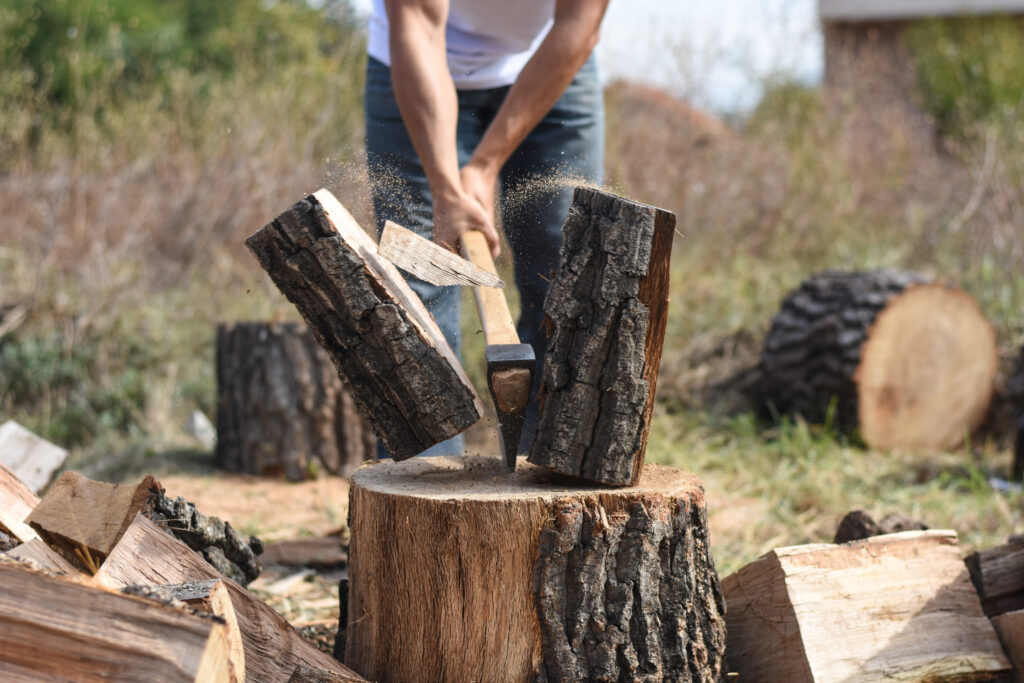
Splitting firewood is a crucial task for any homeowner who relies on wood heating or cooking. However, it can be a daunting and potentially hazardous endeavor, especially when dealing with large, dense logs. In this article, we’ll delve into the world of splitting firewood, exploring the best practices, techniques, and safety precautions to help you become a proficient splitter.
Understanding the Challenges of Splitting Firewood
Before we dive into the nitty-gritty of splitting, it’s essential to understand the challenges involved. Splitting firewood requires physical strength, endurance, and technique. The risk of injury is real, particularly when dealing with sharp axes, heavy logs, and unpredictable weather conditions.
The Importance of Proper Safety Equipment
Safety should always be your top priority when splitting firewood. The right safety equipment can make all the difference between a safe and enjoyable experience and a potentially disastrous one.
- Gloves: Heavy-duty gloves protect your hands from splinters and cuts.
- Steel-toed boots: Steel-toed boots prevent injuries to your feet.
- Safety glasses: Safety glasses shield your eyes from flying wood chips.
- Hearing protection: Earplugs or earmuffs help protect your hearing from the loud sounds of an axe striking wood.
Choosing the Right Axe
Selecting the right axe is crucial for efficient and safe splitting. Look for an axe that’s designed specifically for splitting firewood, with features such as:
- A sturdy handle made of wood or fiberglass
- A well-balanced head with a sharp blade
- An anti-vibration grip to reduce fatigue
Some popular options include the Fiskars Ax Spaccalegna and the Gardena Axe.
Preparing the Wood
Before you start splitting, it’s essential to prepare your wood. This includes:
- Seasoning: Dry, seasoned wood is easier to split.
- Storing: Store your wood in a dry, protected area to prevent damage.
- Sorting: Sort your wood by size and type to ensure efficient splitting.
Effective Splitting Techniques
Now that you have the right equipment and prepared wood, it’s time to start splitting! Here are some effective techniques to keep in mind:
- Positioning: Place the log on a solid, flat surface, with the end you want to split facing upwards.
- Aim: Aim your axe at the center of the log, just above the knot.
- Strike: Strike the axe with a powerful, controlled motion, using your legs and back to generate force.
- Follow-through: Follow through with your swing, keeping the axe in motion as you strike the log.
Dealing with Stuck Axes
Sometimes, even with proper technique, your axe can get stuck in the wood. If this happens, don’t panic! Here are a few ways to extract your axe:
- Wiggle and pull: Gently wiggle the axe back and forth while pulling it out.
- Use a pry bar: If the axe is deeply embedded, use a pry bar to carefully pry it loose.
Tips for Efficient Splitting
To make the splitting process more efficient, consider the following tips:
- Start with smaller logs: Smaller logs are easier to split and require less energy.
- Use a splitting wedge: A splitting wedge can help guide the axe and improve accuracy.
- Keep your axe sharp: A dull axe is more difficult to use and can lead to accidents.
Conclusion
Splitting firewood is an essential task for any homeowner, but it requires skill, patience, and attention to safety. By following these guidelines, you’ll be well on your way to becoming a proficient splitter, with the ability to generate heat and warmth during the cold winter months.
FAQs
- Q: What is the best type of wood for splitting?
- A: Dry, seasoned hardwoods like oak, maple, and ash are ideal for splitting.
- Q: How do I avoid accidents when splitting firewood?
- A: Always wear proper safety equipment, keep a safe distance from others, and use caution when handling sharp objects.
- Q: Can I use a chainsaw to split wood instead of an axe?
- A: While it’s possible, using a chainsaw to split wood can be dangerous and is not recommended.
- Q: How often should I sharpen my axe blade?
- A: Depending on usage, the blade should be sharpened every few months or after each use.
- Q: Can I use an axe to cut firewood instead of splitting it?
- A: Yes, but be aware that cutting firewood can be more difficult and time-consuming than splitting it.
- Q: What is the most effective way to store wood for splitting?
- A: Store your wood in a dry, protected area with good ventilation and away from direct sunlight.
- Q: Can I use an axe to split logs that are too large or heavy?
- A: It’s best to use a larger, more powerful axe or seek assistance from someone else.


