
As you sit down to enjoy a fresh, seasonal harvest of fruits and vegetables, remember the hard work that went into cultivating them. Growing your own garden requires dedication and time, but the rewards are well worth it.
Choosing the Right Containers
Before we dive into the nitty-gritty of sowing, let’s talk about getting started with the right containers. You’ll need semineries or planters made from wood or ceramic, filled with a mix of soil, peat moss, and sand. Alternatively, you can use disposable plastic cups or biodegradable pots. However, if you want to ensure maximum success, invest in quality containers that will provide your seeds with the best possible start.
When selecting containers, consider the following factors:
- Size: Choose containers that are large enough to accommodate the mature size of your plants.
- Material: Wood or ceramic containers tend to breathe better than plastic ones, which can help prevent fungal diseases.
- Depth: Make sure the container is deep enough for the roots of your plants to grow without becoming waterlogged.
- Drainage: Ensure that the container has drainage holes to prevent water from accumulating in the soil.
Preparing Your Soil
To avoid ruts and uneven growth, it’s essential to create a well-draining soil mix. Start by layering a thin layer of expanded clay at the bottom of each container. This will allow water to penetrate evenly, reducing the risk of root rot. Next, add a mixture of topsoil, compost, and perlite – a type of volcanic rock that improves drainage.
Perlite is an excellent addition to your soil mix because it:
- Improves drainage: Perlite’s porous structure allows water to pass through quickly, preventing waterlogged soil.
- Aids in root growth: Perlite provides a stable base for roots to grow, promoting healthy development.
- Increases soil structure: Perlite helps to break up compacted soil, allowing for better aeration and nutrient uptake.
Sowing Your Seeds
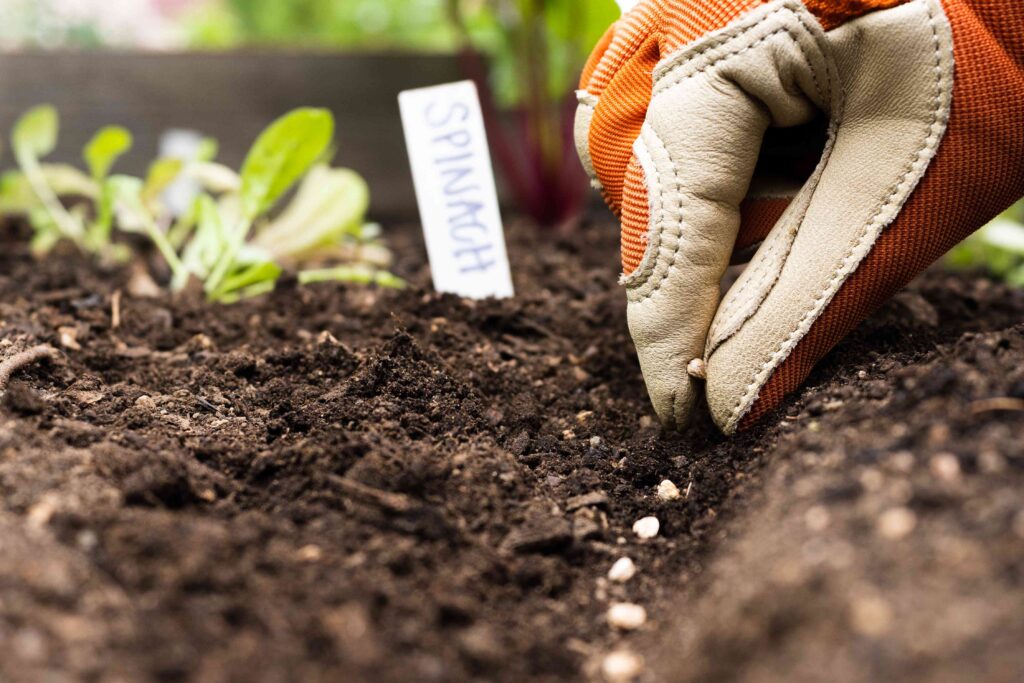
Now it’s time to plant your seeds! Choose a sunny spot (or a bright, east- or west-facing window) with temperatures around 18-20°C for optimal germination. Here’s the step-by-step process:
- Create a small indentation in the soil using a toothpick or skewer.
- Place two or three seeds in the hole, depending on their size and recommended spacing.
- Gently firm the soil around the seeds, making sure they’re secure but not compacted.
- Add a thin layer of soil to cover the seeds.
Caring for Your Seeds
After sowing, your seeds need regular watering and care. Here’s how:
- Avoid using sprinklers or overhead irrigation systems, which can disturb the soil and wash away your tiny seedlings.
- Use a cup or saucer to water each container, allowing the soil to absorb the moisture gradually.
- Cover the containers with a glass lid to maintain humidity and promote germination.
- Move the lids upwards as soon as the seeds start sprouting, ensuring they receive enough light.
Transplanting Your Seedlings
Once your seedlings are robust enough, it’s time to transplant them into larger containers or directly into the garden. Here’s how:
- Wait until all the seeds have germinated and the seedlings have at least two sets of leaves.
- Carefully remove each seedling from its container, taking care not to damage the roots.
- Transplant the seedlings into a new container with fresh soil, providing enough space for growth.
- Place your seedlings in direct sunlight or under grow lights, depending on their needs.
Tips and Tricks
To ensure success, keep these tips in mind:
- Avoid overwatering, which can lead to root rot and other problems.
- Provide support for climbing plants, such as peas or beans.
- Keep an eye out for pests and diseases, taking action promptly if you notice any issues.
- Learn to identify different plant species and their specific growing requirements.
Some additional tips to keep in mind:
- Start small: Begin with a few easy-to-grow plants like tomatoes or lettuce, and gradually expand your garden as you gain experience.
- Be patient: Growing your own garden takes time and effort. Don’t get discouraged if things don’t go as planned initially.
- Observe and adapt: Pay attention to the unique needs of each plant species, and adjust your care techniques accordingly.
Common Mistakes to Avoid
Don’t make these common mistakes when growing your own garden:
- Overwatering: Water your plants only when the soil feels dry to the touch. Avoid getting water on the leaves or flowers.
- Underwatering: Make sure to provide enough moisture for your plants, especially during hot weather or periods of drought.
- Lack of light: Most plants need at least 4-6 hours of direct sunlight per day. Consider using grow lights if necessary.
Conclusion
Growing your own garden requires patience, dedication, and a willingness to learn. By following these steps and tips, you’ll be well on your way to enjoying fresh, seasonal produce all year round. Happy gardening!
Frequently Asked Questions
- What’s the best time of day to water my seeds?
- Water your seeds in the morning or late afternoon, when the temperature is cooler.
- How often should I transplant my seedlings?
- Transplant your seedlings every 7-10 days, or when they’ve outgrown their containers.
- Can I grow vegetables indoors?
- Yes, many vegetables can be grown indoors using hydroponics, LED lighting, and other specialized equipment.
- What’s the difference between a greenhouse and a sunroom?
- A greenhouse is a structure specifically designed for growing plants, with transparent walls and a controlled climate.
- A sunroom is an open space that receives natural light and heat from the sun.
- How do I prevent pests and diseases from affecting my garden?
- Use organic pest control methods, such as neem oil or diatomaceous earth, to deter pests.
- Inspect your plants regularly for signs of disease and take action promptly if necessary.
- Can I grow fruits and vegetables in containers?
- Yes, many fruits and vegetables can be grown in containers using the right soil mix and care techniques.
- What’s the best way to start a garden from seed?
- Start by choosing high-quality seeds that are suitable for your climate and growing conditions.
- Follow proper sowing and transplanting procedures to ensure successful germination and growth.
- Can I grow vegetables in cold climates?
- Yes, many vegetables can be grown in cold climates using specialized techniques, such as greenhouse growing or cold frames.
I hope this guide has provided you with the information and inspiration you need to start your own garden!


