
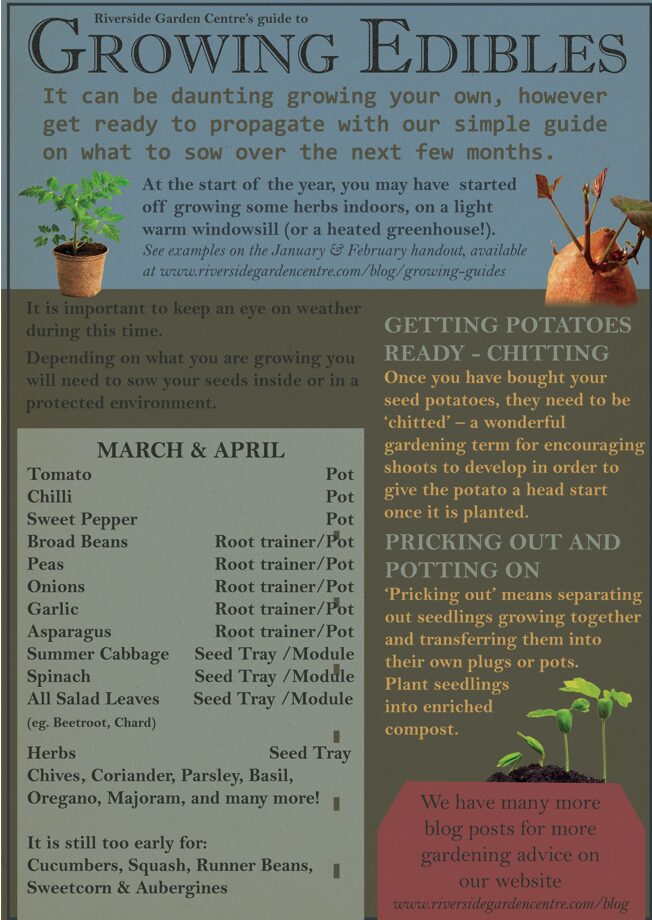
Sowing is an essential step in the gardening process, and with this guide, you’ll learn how to do it like a pro. From preparing the soil to planting seeds at the right depth, we’ll cover everything you need to know to ensure a successful harvest.
Understanding the Benefits of Sowing vs. Transplanting
Before we dive into the nitty-gritty of sowing, it’s essential to understand the benefits and drawbacks of each method. Sowing seeds directly in the ground can be less expensive than transplanting seedlings from pots or cell trays. However, it may require more care and attention to manage weeds and pests.
On the other hand, transplanting seedlings can give them a head start on the growing season, reducing the risk of weed competition and disease transmission. Nevertheless, this method comes with its own set of costs, such as purchasing expensive seedlings and dealing with transplant shock.
Choosing the Right Sowing Technique
When it comes to sowing seeds, there are several techniques to choose from, each with its unique benefits and challenges. Here are some popular methods:
- Direct sowing: Planting seeds directly in the ground, either by hand or using a seeder.
- Transplanting: Transferring seedlings from pots or cell trays to the garden bed.
- Cover cropping: Planting crops between crop cycles to improve soil health and reduce erosion.
Preparing the Soil for Sowing
Before sowing seeds, it’s crucial to prepare the soil. This includes loosening the top layer to a depth of about 8-10 inches, adding organic matter like compost or manure, and adjusting the pH levels as needed.
A well-prepared soil will provide optimal growing conditions for your seeds, ensuring they germinate and grow strong.
Irrigation and Sowing
Proper irrigation is essential when sowing seeds. Avoid overwatering, which can lead to seed rot and poor germination rates. Instead, water gently but thoroughly after sowing, making sure the soil is moist but not waterlogged.
If you’re planning to sow in a dry season, consider using mulch or cover crops to retain moisture in the soil.
Tips for Optimizing Seed Germination
To increase your chances of successful seed germination, follow these expert tips:
- Plant seeds at the correct depth and spacing.
- Use a well-draining potting mix or garden soil.
- Maintain optimal temperatures (usually between 60-80°F) and humidity levels.
By following these guidelines, you’ll be well on your way to creating an ideal environment for seed germination.
Common Mistakes to Avoid
There are several common mistakes that can hinder the success of your sowing efforts. Here are some key things to watch out for:
- Overwatering: This can lead to seed rot and poor germination rates.
- Poor soil preparation: Failing to loosen the soil or add organic matter can result in poor growing conditions for your seeds.
- Inadequate spacing: Planting seeds too close together can lead to overcrowding, reducing air circulation and increasing the risk of disease.
By avoiding these common mistakes, you’ll be well-equipped to create a thriving garden that produces healthy, nutritious crops all season long.
Frequently Asked Questions
Here are some common questions and answers related to sowing seeds:
Q: What is the best time to sow seeds?
A: The ideal sowing time varies depending on the type of crop and climate. Generally, spring and fall are considered prime sowing seasons.
Q: How often should I water newly sown seeds?
A: Water gently but thoroughly after sowing, making sure the soil is moist but not waterlogged. Avoid overwatering, which can lead to seed rot and poor germination rates.
Q: Can I sow seeds in containers or directly in the ground?
A: Both methods have their advantages and disadvantages. Direct sowing reduces transplant shock, while container gardening offers better temperature control and pest management.
Q: What are some common pests and diseases that affect newly sown crops?
A: Common pests include aphids, slugs, and snails. Diseases can manifest as powdery mildew, downy mildew, or root rot, depending on the crop and environmental conditions.
By understanding the intricacies of sowing seeds and following these expert tips, you’ll be well-equipped to create a thriving garden that produces healthy, nutritious crops all season long.


