
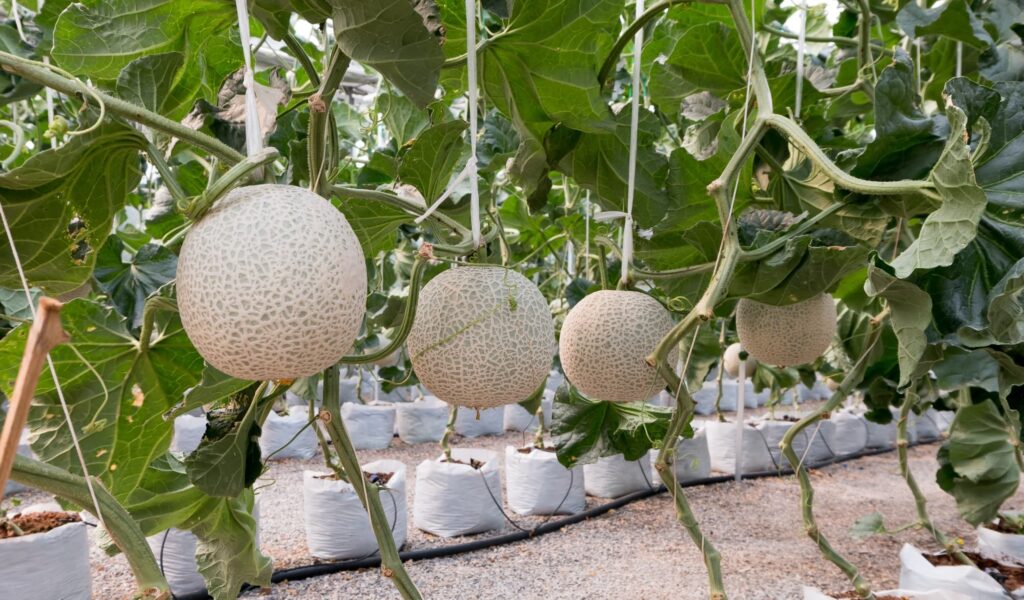
As the summer season approaches, many gardeners are eager to plant their melon seeds. But before you begin, it’s essential to understand the process of sowing melons, as well as the proper care and handling techniques required for a successful harvest.
When to Sow Melons
Melons can be sown in the spring or early summer, when the soil has warmed up to at least 15°C (59°F). In areas with mild winters, you can also sow melons in late autumn or winter. However, this method requires a protected environment to prevent frost damage.
Preparing the Soil
The ideal soil for sowing melons is soft and well-drained, with a pH range of 6.0 to 7.0. Avoid planting in areas with poor drainage or standing water, as this can lead to root rot and other problems.
To prepare your soil for melon sowing, follow these steps:
- Test the pH level: Use a soil testing kit to determine the pH level of your soil.
- Add organic matter: Mix in 2-3 inches of compost or well-rotted manure into the top 6-8 inches of soil.
- Loosen the soil: Use a garden fork or spade to loosen the soil to a depth of about 30 cm (12 inches).
- Remove debris: Clear any weeds, rocks, or debris from the area.
Sowing Melon Seeds
To sow melon seeds, follow these steps:
- Prepare the seedbed: Loosen the soil and create shallow holes for each seed.
- Plant the seeds: Place one or two seeds in each hole, about 1-2 cm (0.4-0.8 in) deep.
- Cover the seeds: Cover the seeds with a thin layer of soil and gently firm it down.
- Water the seeds: Water the seeds lightly but thoroughly.
Types of Melon Varieties
There are many different types of melon varieties available, each with its unique characteristics and traits. Some popular varieties include:
- Yellow melon: A sweet and tangy variety with a bright yellow skin.
- Classic melon: A traditional variety with a green or yellow skin and a sweet, juicy flesh.
- Retarded melon: A variety that takes longer to ripen, resulting in a sweeter and more complex flavor profile.
Planting Melons
If you’re starting with seedlings instead of sowing seeds directly, follow these steps:
- Choose healthy and disease-free seedlings with at least two sets of leaves.
- Plant the seedlings in a well-draining soil mix, about 80-100 cm (32-39 in) apart.
- Water thoroughly after planting and keep the soil consistently moist during the first few weeks.
Caring for Melon Plants
Melons require consistent moisture, especially during the fruiting stage. However, overwatering can lead to fungal diseases and root rot. Here are some tips for caring for your melon plants:
- Water deeply but infrequently: Allow the soil to dry out slightly between waterings.
- Provide support: Use a trellis or other support system to keep the vines off the ground and promote better fruiting.
- Mulch around the base: Mulching helps retain moisture, suppress weeds, and regulate soil temperature.
Pruning and Training Melons
Melon plants require regular pruning and training to promote healthy growth and fruit production. Here are some tips:
- Pinch out weak shoots: Remove any weak or spindly stems to encourage bushy growth.
- Train the vines: Use a trellis or other support system to train the vines upwards, promoting better air circulation and sunlight penetration.
- Prune for productivity: Prune the plant to encourage fruiting, removing any weak or unproductive branches.
Pest and Disease Management
Melons are susceptible to various pests and diseases, including aphids, whiteflies, powdery mildew, and fusarium wilt. Here are some tips for managing these issues:
- Monitor for pests: Regularly inspect your plants for signs of pests, such as holes in the leaves or yellowing stems.
- Use organic controls: Use neem oil, insecticidal soap, or other organic control methods to manage pest populations.
- Practice good sanitation: Remove any infested or diseased fruit or foliage to prevent the spread of disease.
Harvesting Melons
Melons are ready to harvest when they reach full maturity. Here are some tips for harvesting your melon crop:
- Check for sweetness: Gently squeeze the skin; a ripe melon should be slightly soft but still firm.
- Look for color changes: Check for any visible signs of ripeness, such as yellow or orange spots on the skin.
- Cut with care: Use a sharp knife to cut the fruit from the vine, leaving about 2-3 cm (0.8-1.2 in) of stem attached.
Frequently Asked Questions
Here are some common questions and answers related to sowing, caring for, and harvesting melons:
Q: How many melons can I expect to harvest per plant?
A: The number of melons produced by a single plant depends on the variety, with most plants producing 2-4 fruits.
Q: Can I grow melons in containers?
A: Yes, but make sure the container is at least 30 cm (12 in) deep and has good drainage holes to prevent waterlogging.
Q: How often should I fertilize my melon plants?
A: Feed your melon plants with a balanced fertilizer once a month during the growing season.
Q: What is the best way to store melons for winter consumption?
A: Store melons in a cool, dry place with good ventilation. You can also wrap them in paper bags or cover them with straw to keep them fresh for longer.
Tips and Variations
Here are some additional tips and variations to consider when growing melons:
- Grow melon varieties that are resistant to common pests: Consider planting disease-resistant varieties, such as ‘Sugar Baby’ or ‘Yellow Doll’, which are bred to resist fungal diseases.
- Use companion planting techniques: Plant melons alongside other plants that repel pests, such as basil or mint, to reduce the risk of infestation.
- Consider using a drip irrigation system: Drip irrigation can help conserve water and reduce waste, while also providing precise control over watering schedules.
Conclusion
Sowing and caring for melon plants requires attention to detail, patience, and proper techniques. By following these guidelines, you’ll be well on your way to growing a bountiful and delicious melon crop. Happy gardening!


