
Sowing is an essential step in gardening, and there are several methods to choose from, each with its own advantages and disadvantages. In this article, we will explore the different techniques for sowing seeds, including direct sowing in full soil, seed trays, jars for germination, and more.
Preparing the Soil
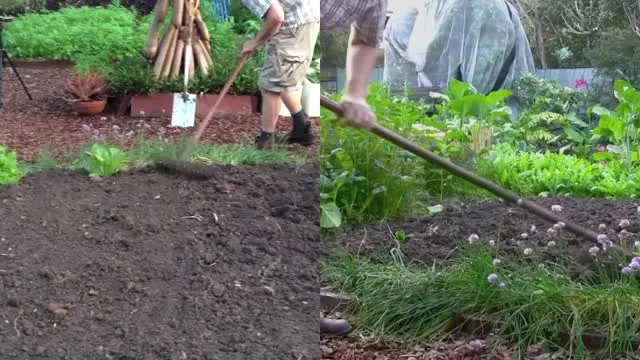
Regardless of the method chosen, it is essential to prepare the soil before sowing seeds. This involves loosening the top layer of soil to a depth of about 30 cm (12 inches) to remove any debris, roots, weeds, stones, or compacted soil. Use a robust rake to aerate the soil and create a smooth surface for sowing.
Sowing in Seed Trays
Seed trays are an excellent option for sowing seeds, especially when you want to control the environment and prevent pests from accessing the seedlings. You can use any container that can be pierced and has multiple layers of absorbent material or soft soil specifically designed for sowing seeds. There are various options available, such as old ice cream containers, plastic boxes, or even DIY solutions like cardboard tubes.
Benefits of Sowing in Seed Trays:
- Improved germination rates: Seed trays provide a controlled environment that can lead to higher germination rates.
- Reduced pests and diseases: The sealed container protects seedlings from external pests and diseases.
- Easier transplanting: Once the seedlings have reached a suitable size, they can be easily transplanted into larger containers or directly into the garden.
Sowing in Full Soil
Direct sowing in full soil is a popular method for growing a wide range of crops, including leafy greens, herbs, and vegetables. You can use manual seeders or traditional methods such as sowing seeds by hand, using a spreader, or at the right time with a lawn aerator.
Benefits of Sowing in Full Soil:
- Less equipment required: Direct sowing eliminates the need for specialized seed trays or containers.
- Reduced cost: This method can be more budget-friendly, as it doesn’t require purchasing additional materials.
- Faster growth: Seedlings grown in full soil may develop faster, as they are exposed to natural light and air.
Sowing Methods: A Closer Look
There are several methods for sowing seeds, each with its own advantages:
- Spreading: This method involves scattering the seeds evenly over the soil surface. It is ideal for crops like spinach, kale, and turnips.
- Rigging: Also known as “file” or “line” sowing, this method involves planting seeds in parallel lines. It’s a great option for growing leafy greens like lettuce and kale.
- Bouquets (Buchettes): This technique involves creating small holes or “postarelle” where the seeds will be placed. The ideal number of seeds per hole depends on the crop and its expected yield.
Sowing by the Moon
The moon has played a significant role in agriculture, including sowing seeds, since ancient times. Some gardeners believe that planting according to the lunar cycle can improve yields or plant growth. While there is no scientific evidence to support this claim, many gardeners swear by it.
Here are some key points to consider:
- Planting during new moon: This phase is often associated with growth and expansion.
- Avoid planting during full moon: Some believe that the energy of the full moon can inhibit plant growth or lead to pest issues.
- Consider your location: The lunar cycle may not be as significant in regions with intense sunlight or extreme weather conditions.
Conclusion
Sowing seeds requires careful preparation, attention to detail, and a solid understanding of the chosen method. By choosing the right technique for your specific needs, you’ll be well on your way to growing a successful garden. Remember to consider factors like soil quality, sunlight, and moisture levels when selecting the best sowing method for your crop.
Frequently Asked Questions
- What is the most effective way to sow seeds?
- The answer depends on the specific crop and environmental conditions. Some methods, like sowing by the moon, may not be supported by scientific evidence but can still produce positive results.
- How deep should I plant my seeds?
- The depth of seed planting varies depending on the type of plant and soil conditions. Generally, seeds are planted at a depth that is 1-3 times their diameter to ensure proper germination.
- What’s the best time to sow seeds for optimal growth?
- Sowing times vary by crop and climate. Research specific recommendations for your region or consult with local gardening experts for personalized advice.
- Can I grow the same type of seed in different locations?
- Seeds can adapt to varying conditions, but some may have specific requirements that differ depending on location. Research specific needs for each plant variety to ensure success.
- How often should I water my seeds?
- Seeds require consistent moisture levels for optimal germination and growth. Check the soil regularly and adjust watering schedules according to weather conditions.
Sowing seeds is a delicate process that requires attention to detail and an understanding of the specific needs of each crop. By experimenting with different techniques and adapting to changing environmental conditions, you’ll be well on your way to growing a thriving garden.


