
Insulating a wall is an essential step in creating a comfortable and peaceful living space. Whether you’re looking to block out the noise of the city, separate a room from another, or simply enjoy some quiet time, insulation can make all the difference. In this article, we’ll explore the various methods and materials available for insulating a wall, as well as provide practical tips and advice for achieving optimal results.
Why Insulate a Wall?
Insulation is crucial in reducing noise pollution and creating a cozy living environment. There are many reasons why you might want to insulate a wall, including:
- To block out the noise of traffic or other external sources
- To separate rooms or areas within a building
- To reduce vibrations from machinery or other sources
- To create a more comfortable sleeping environment
- To improve overall energy efficiency and reduce heating/cooling costs
In addition to these benefits, insulation can also help to:
- Reduce energy bills by keeping your home warm in the winter and cool in the summer
- Extend the lifespan of your walls by reducing damage from extreme temperatures and humidity
- Improve indoor air quality by reducing moisture and pollutants
- Enhance the overall aesthetic appeal of your home with a more finished and polished look
Choosing the Right Materials
When it comes to insulating a wall, you have several options to choose from. These include:
- Foam boards: A popular choice for DIY projects, foam boards are easy to install and provide excellent insulation.
- PVC panels: PVC panels are another popular option, offering a durable and weather-resistant solution for insulating walls.
- Aluminum sheets: Aluminum sheets are lightweight and easy to install, making them an ideal choice for DIY projects.
- Spray foam insulation: Spray foam insulation is a more advanced material that provides excellent thermal and acoustic insulation.
When selecting a material, consider factors such as:
- Budget: Different materials can vary significantly in price, so it’s essential to set a budget before making a decision.
- DIY skill level: Some materials may require specialized skills or tools, while others are easier to install on your own.
- Desired performance: Consider the specific needs of your project, including factors such as temperature regulation, soundproofing, and moisture resistance.
The Doppio Tramezzo Method
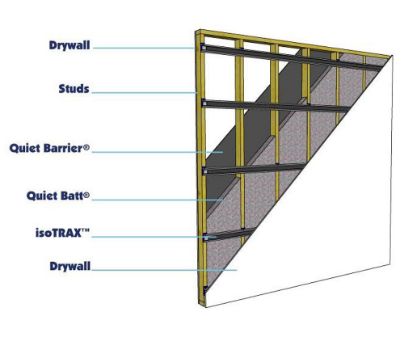
One of the most effective methods for insulating a wall is the doppio tramezzo method. This involves creating a double layer of insulation, with a space in between to allow for easy installation and removal. The doppio tramezzo method can be applied to both solid walls and partition walls.
The benefits of this method include:
- Improved thermal performance: By creating a double layer of insulation, you can reduce heat transfer and improve the overall comfort of your home.
- Enhanced soundproofing: The space between the two layers of insulation can help to absorb sound waves, reducing noise pollution and improving audio quality.
- Increased durability: By using a second layer of insulation, you can extend the lifespan of your walls by reducing damage from extreme temperatures and humidity.
The Role of Silenziatori Acustici
Silenziatori acustici (acoustic silencers) are devices designed to reduce noise pollution by absorbing sound waves. They can be installed on existing ventilation systems, providing an additional layer of insulation and reducing the overall impact of external noise.
When selecting a silenziatore acustico, consider factors such as:
- Frequency range: Choose a device that is effective at absorbing sound waves within your desired frequency range.
- Noise reduction rating (NRR): Look for devices with high NRR ratings to ensure optimal noise reduction.
- Ease of installation: Consider the complexity and ease of installation when selecting a silenziatore acustico.
Insulating Walls with Presa d’Aria
Presa d’aria (ventilation pipes) are an essential component of many homes, but they can also be a source of noise pollution. Insulating these pipes using silenziatori acustici is a simple and effective way to reduce the impact on neighboring rooms or areas.
When insulating walls with presa d’aria, consider factors such as:
- Pipe location: Identify the location of your presa d’aria pipes to ensure accurate installation.
- Material selection: Choose materials that are compatible with both the pipe and silenziatore acustico.
- Installation technique: Follow proper installation techniques to ensure optimal performance.
Insulating the Entire Room: Ceiling and Floor
For those looking to insulate their entire room, including the ceiling and floor, there are several options available. These include:
- Double-layer insulation: Applying a double layer of insulation to both the ceiling and floor can provide excellent thermal and acoustic performance.
- Floating flooring: Using floating flooring materials like mass-loaded vinyl or cork can help reduce vibrations and noise pollution.
When insulating the entire room, consider factors such as:
- Budget: Double-layer insulation and floating flooring materials can be more expensive than traditional methods.
- DIY skill level: Floating flooring requires specialized skills and tools, while double-layer insulation may be easier to install on your own.
- Desired performance: Consider the specific needs of your project, including factors such as temperature regulation, soundproofing, and moisture resistance.
Practical Tips and Advice
Insulating a wall can seem like a daunting task, but with the right materials and techniques, it can be an effective way to create a more comfortable and peaceful living space. Here are some practical tips and advice to keep in mind:
- Measure carefully: Before selecting materials, measure your walls accurately to ensure proper fit and installation.
- Choose the right tools: Invest in specialized tools, such as insulation blowers or taping knives, to make the installation process easier and faster.
- Follow manufacturer instructions: Always follow manufacturer instructions for both the material and any necessary equipment.
- Test and verify: Test your insulation system to ensure optimal performance and make adjustments as needed.
Conclusion
Insulating a wall is an essential step in creating a comfortable and peaceful living space. By understanding the various methods and materials available, you can make informed decisions about which approach to take for your specific needs. Whether you’re looking to block out external noise, create a cozy sleeping environment, or improve energy efficiency, insulation is key.
In addition to these benefits, insulation can also help to:
- Improve indoor air quality by reducing moisture and pollutants
- Enhance the overall aesthetic appeal of your home with a more finished and polished look
- Increase the value of your property by improving its comfort and functionality
By following the practical tips and advice outlined in this article, you can ensure optimal results from your insulation project.
FAQs
- What are the most effective materials for insulating a wall?
Foam boards, PVC panels, aluminum sheets, and spray foam insulation are all excellent options. - How do I choose the right material for my needs?
Consider factors like budget, DIY skill level, and desired performance when selecting a material. - What is the doppio tramezzo method, and how does it work?
The doppio tramezzo method involves creating a double layer of insulation with a space in between for easy installation and removal. - How effective are silenziatori acustici in reducing noise pollution?
Silenziatori acustici can significantly reduce the impact of external noise, but may not completely eliminate it. - What is the best way to insulate a wall with presa d’aria?
Installing silenziatori acustici on existing ventilation pipes is an effective solution for reducing noise pollution. - Can I insulate my entire room, including ceiling and floor?
Yes, using double-layer insulation or floating flooring materials can provide excellent thermal and acoustic performance. - How long does it take to install insulation?
The installation time will depend on the complexity of the project and the individual’s DIY skill level. - Are there any specific regulations or codes I need to follow when insulating a wall?
It’s essential to consult local building codes and regulations before starting your insulation project.
By following this comprehensive guide, you can ensure optimal results from your insulation project and create a more comfortable and peaceful living space.


