
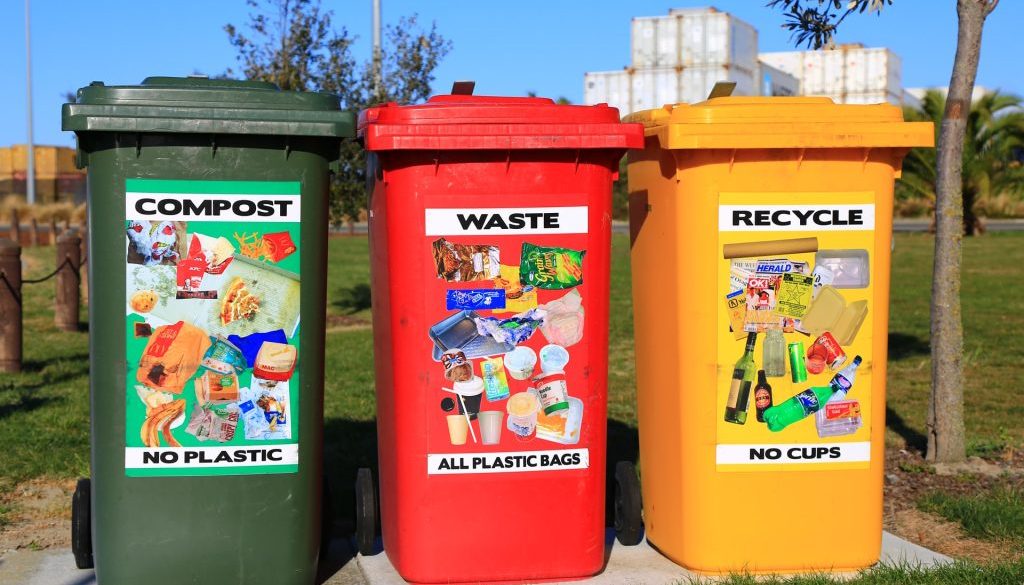
As we strive for a more sustainable future, it’s essential to understand the importance of proper waste segregation. However, navigating the complex rules and regulations can be overwhelming, especially when dealing with different municipalities. In this article, we’ll break down the basics of recycling and provide you with practical tips on how to properly segregate your waste.
Understanding the Basics
Proper waste segregation is not just about following a set of rules; it’s also about understanding the consequences of improper disposal. When waste is not segregated correctly, it can contaminate landfills, oceans, and even harm human health. By learning how to separate different types of waste, you’ll be contributing to a cleaner environment and helping to conserve natural resources.
The Benefits of Proper Waste Segregation
Proper waste segregation has numerous benefits, including:
- Reducing Greenhouse Gas Emissions: When waste is not segregated correctly, it can lead to the release of methane, a potent greenhouse gas that contributes to climate change.
- Conserving Natural Resources: By recycling and reusing materials, we can reduce the demand for raw materials and conserve natural resources like water, energy, and land.
- Protecting Human Health: Improper waste disposal can lead to the release of toxic chemicals into the environment, posing a risk to human health.
The Consequences of Improper Waste Segregation
On the other hand, improper waste segregation has severe consequences, including:
- Pollution: When waste is not segregated correctly, it can contaminate landfills, oceans, and even harm human health.
- Climate Change: The release of methane from landfills and oceans contributes to climate change, which has far-reaching impacts on the environment and human societies.
- Economic Costs: Improper waste segregation can lead to significant economic costs, including the cost of cleaning up pollution and the loss of natural resources.
Seeking Guidance from Local Authorities
To ensure accuracy, it’s essential to consult with local authorities or your condominium management association. They can provide you with specific guidelines tailored to your area. For instance, the City of Milan has created a website (Dovelobutto.net) dedicated to explaining waste segregation for residents. Similarly, the City of Rome offers guidance through their Amaroma.it platform.
Mobile Apps: A Convenient Solution
If your municipality doesn’t have an official guide or if you prefer a more hands-on approach, mobile apps can be a great resource. The app “Il Rifiutologo” (available for iOS and Android) was developed by Officine Digitali to help users understand how to segregate waste correctly. Developed by Francesco Cucari, this app provides guidance on 800 types of waste, taking into account your specific municipality.
Specialized Articles for Specific Waste Types
For certain types of waste, it’s best to consult specialized articles:
• Polystyrene Collection: Learn how to properly collect and dispose of polystyrene packaging.
Polystyrene is a type of plastic that is often used in packaging materials. It is lightweight, inexpensive, and can be molded into various shapes. However, it is also non-biodegradable and can contribute to pollution if not disposed of correctly.
• Household Hazardous Waste: Understand the proper procedures for dealing with hazardous materials like oil, batteries, and electronics.
Household hazardous waste includes items that are dangerous or toxic, such as batteries, electronics, and cleaning supplies. These items require special handling and disposal to prevent harm to human health and the environment.
Best Practices for Recycling
To ensure that your recyclables are being processed correctly, follow these best practices:
- Check Local Guidelines: Before starting a recycling program, check with local authorities to see what materials are accepted.
- Clean and Sort Materials: Make sure to clean and sort materials before putting them in the recycling bin. Remove food waste, liquids, and contaminants.
- Use Recycling Bins: Use designated recycling bins and avoid mixing different types of materials in one bin.
- Participate in Community Programs: Many communities offer curbside pickup for certain types of recyclables. Participate in these programs to ensure that your waste is being processed correctly.
Common Mistakes to Avoid
To ensure that you’re recycling effectively, avoid the following common mistakes:
- Overfilling Recycling Bins: Overfilling recycling bins can lead to contamination and make it difficult for materials to be processed.
- Mixing Different Materials: Mixing different types of materials in one bin can contaminate the entire batch and prevent materials from being recycled.
- Not Cleaning Materials: Not cleaning materials before putting them in the recycling bin can lead to contamination and reduce the effectiveness of recycling programs.
Conclusion
Proper waste segregation is a crucial step towards creating a more sustainable future. By understanding the basics, seeking guidance from local authorities, using mobile apps, and consulting specialized articles, you’ll be well-equipped to make a positive impact on the environment. Remember, every small action counts, and together we can make a difference.
Frequently Asked Questions
- How do I know which type of waste is acceptable in my area?
Check with local authorities or your condominium management association for specific guidelines tailored to your area. - What happens if I accidentally contaminate my recyclables with non-recyclable materials?
If you accidentally contaminate your recyclables, contact the recycling facility or municipality to report the issue and ask for guidance on how to proceed.
Conclusion
Proper waste segregation is a crucial step towards creating a more sustainable future. By understanding the basics, seeking guidance from local authorities, using mobile apps, and consulting specialized articles, you’ll be well-equipped to make a positive impact on the environment. Remember, every small action counts, and together we can make a difference.
Glossary
- Contamination: The act of mixing different types of materials in one bin, which can prevent materials from being recycled.
- Recyclable materials: Materials that can be collected and processed for reuse or recycling, such as paper, plastic, glass, and metal.
- Non-recyclable materials: Materials that cannot be collected and processed for reuse or recycling, such as food waste, liquids, and hazardous substances.
By following these guidelines and best practices, you’ll be able to make a positive impact on the environment and contribute to a more sustainable future.


