
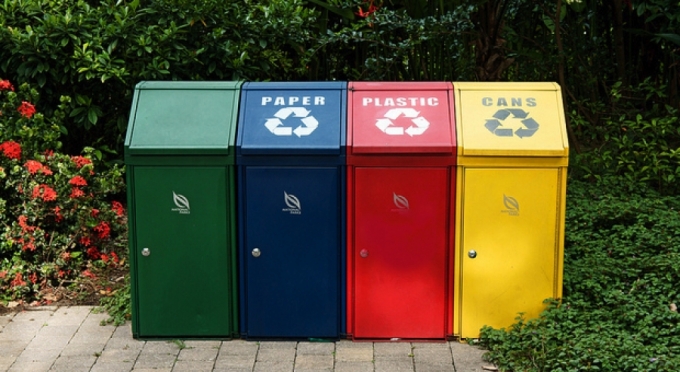
As we strive to maintain a healthy environment, it’s essential to understand the importance of separating household waste. By reusing, recycling, and valuing the materials we discard, we can contribute to a cleaner, more sustainable future. But what exactly does this mean? Let’s break down how to separate household waste into different categories.
The Benefits of Separating Household Waste
Separating household waste is not only good for our environment but also offers economic benefits, creates employment opportunities, and enables the production of new products from materials that would otherwise be discarded. By doing so, we can help reduce greenhouse gas emissions, conserve natural resources, and create a more circular economy.
The Ugly Truth: What Belongs in Each Bin
To separate household waste effectively, it’s crucial to understand what belongs in each bin. Let’s explore the different categories:
Organic Waste (Brown Bin)
In the brown bin, you can dispose of:
- Fruit and vegetable scraps
- Bread and pastry crusts
- Meat and bone scraps
- Eggshells
- Pasta and rice
- Coffee grounds and tea bags
- Flowers and herbs
- Small amounts of grass clippings and leaves
- Pet waste (in moderation)
- Paper towels and tissues
However, avoid putting:
- Plastic bags and packaging materials
- Metal containers and lids
- Plastic items
- Sand from litter boxes
Plastic Waste (Yellow Bin)
In the yellow bin, you can dispose of:
- Empty food and drink containers (e.g., plastic bottles, jars, and tubs)
- Packaging materials made from plastic
- Plastic bags and wrap
But don’t put:
- Food waste or dirty items
- Metal or glass containers
- Wooden or paper products
Paper Waste (Blue Bin)
In the blue bin, you can dispose of:
- Newspaper and cardboard
- Magazines and catalogs
- Paperboard and cartons
- Junk mail and flyers
However, avoid putting:
- Plastic-wrapped or coated papers
- Shredded documents
- Dirty or soiled paper products
Glass Waste (Green Bin)
In the green bin, you can dispose of:
- Empty glass bottles and jars
- Glass containers without food residue
But don’t put:
- Broken glass or sharp objects
- Plastic or metal containers
- Ceramic or porcelain items
What to Do with Unsorted Items
If an item doesn’t fit into any of the above categories, it’s best to take it to your local recycling center or waste management facility.
Tips for Effective Waste Separation
- Sort and categorize: Start by sorting your waste into different categories and then categorize each group further.
- Use separate bins: Use separate bins for each type of waste to keep them clean and prevent contamination.
- Clean and rinse containers: Clean and rinse containers thoroughly before recycling or composting them.
- Check local guidelines: Check with your local waste management facility to confirm their acceptance guidelines for specific materials.
- Compost regularly: Composting is an excellent way to reduce food waste, but make sure to compost regularly to avoid unpleasant odors and pests.
Common Household Items That Belong in Each Bin
Here are some common household items that belong in each bin:
- Brown Bin:
- Eggshells
- Coffee grounds
- Tea bags
- Paper towels
- Pet waste (in moderation)
- Yellow Bin:
- Plastic bottles
- Jars and tubs
- Packaging materials
- Plastic bags and wrap
- Blue Bin:
- Newspaper
- Cardboard
- Magazines and catalogs
- Paperboard and cartons
- Junk mail and flyers
- Green Bin:
- Empty glass bottles and jars
- Glass containers without food residue
Challenges to Effective Waste Separation
- Lack of education: Many people are not aware of the importance of separating household waste or do not know what can be recycled.
- Contamination: Contaminated materials can ruin entire batches of recyclables and prevent them from being processed.
- Limited resources: Some communities may not have access to adequate recycling facilities or adequate funding for waste management services.
- Lack of infrastructure: Inadequate waste management infrastructure can make it difficult for people to separate their waste effectively.
Conclusion: Separating Household Waste is Easy and Important
By understanding what belongs in each bin, we can significantly reduce our environmental impact and contribute to a more sustainable future. Remember, every small action counts, and making these simple changes can have a substantial impact when combined with the efforts of others.
Frequently Asked Questions (FAQs)
- What is the best way to dispose of food waste?
A: Composting is an excellent way to reduce food waste. You can compost fruit and vegetable scraps, coffee grounds, and tea bags in a designated bin or pile.
2. Can I recycle plastic containers with labels?
A: Yes, most plastic containers can be recycled, even if they have labels on them. However, it’s essential to check with your local recycling facility to confirm their acceptance guidelines.
3. How often should I clean my recycling bins?
A: It’s recommended to clean your recycling bins regularly to prevent contamination and keep the materials fresh for recycling.
4. Can I compost animal waste?
A: Yes, you can compost small amounts of pet waste, but it’s essential to follow proper guidelines to avoid spreading diseases or creating unpleasant odors.
5. What happens to unsorted items at the recycling facility?
A: Unsorted items may be sent to a landfill or incinerated, depending on the facility’s policies and available resources. By separating your waste correctly, you can help ensure that materials are processed efficiently and effectively.
6. Can I recycle glass bottles with residual food or liquid?
A: Yes, most glass bottles can be recycled even if they have residual food or liquid. However, it’s essential to rinse the containers thoroughly before recycling them.
7. How do I choose the right recycling bin for my home?
A: Choose a recycling bin that suits your household size and needs. Consider factors like material, size, and location to ensure it’s convenient and effective.
8. What are some common mistakes people make when recycling?
A: Common mistakes include contaminating recyclables with food waste, plastic bags, or other non-recyclable materials. Make sure to follow local guidelines and rinse containers thoroughly before recycling.


