
Introduction
Are you interested in exploring the underwater world, but don’t know where to start? Look no further! In this article, we’ll discuss the basics of scuba diving, including how to get certified without taking a license course. While it may seem intimidating, scuba diving can be a fun and rewarding experience for those who are willing to learn.
Immersioni Subacquee senza Brevetto: Rischi e Precauzioni
While there is no law that prohibits scuba diving without a license in Italy, we must emphasize the importance of safety. Without proper training and equipment, you put yourself at risk of serious injury or even death. The main risks associated with scuba diving include decompression sickness, drowning, and nitrogen narcosis.
For those who still want to dive without a license, it’s essential to find a reputable guide who can provide guidance on how to proceed safely. A good guide should be able to explain the basics of safety procedures, such as avoiding deep dives and using proper equipment.
Can You Dive Without a License?
While there is no law that prohibits diving without a license, some local authorities may have specific regulations in place. For example, the Capitaneria di Porto di Reggio Calabria has implemented an ordinance requiring a license for scuba diving in certain areas.
In other regions, such as Sardinia and Sicily, there are no specific regulations prohibiting diving without a license. However, it’s still crucial to follow local guidelines and take necessary precautions to ensure your safety.
How to Get Certified Without Taking a License Course
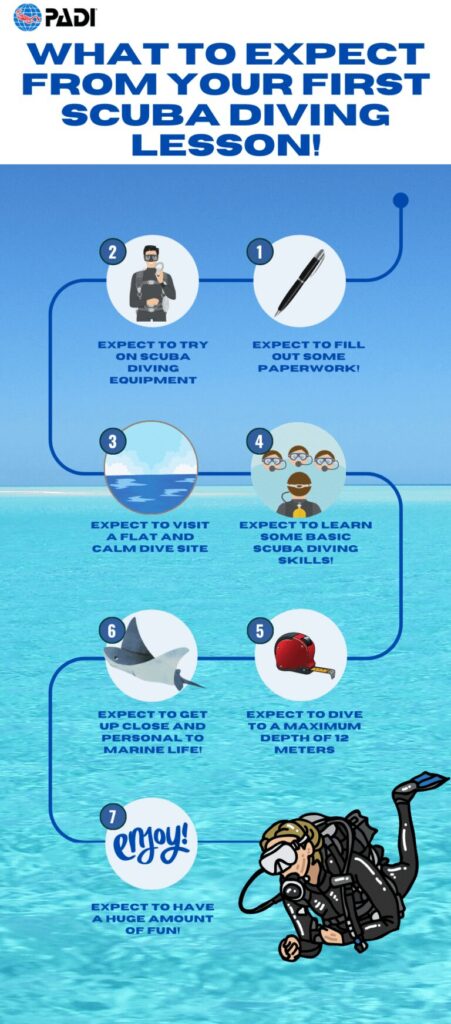
If you’re determined to get certified without taking a license course, look for reputable dive centers that offer guided dives or introductory courses. These programs usually include training sessions, equipment rental, and a comprehensive guide on how to proceed safely.
In some cases, you may be able to recover the cost of an introductory dive by enrolling in a full scuba diving course at a later date. Be sure to research and compare prices among different centers before making a decision.
Choosing the Right Course
When selecting a scuba diving course, consider factors such as instructor experience, equipment quality, and safety record. Look for courses that are certified by reputable organizations, such as PADI or FIPSAS.
It’s also essential to choose an instructor who is knowledgeable about local regulations and can provide guidance on how to navigate challenging environments.
How Long Does a Scuba Diving Course Take?
Most scuba diving courses last between 8-10 hours, spread over several days. The course typically includes both theoretical and practical training sessions, culminating in a certification exam.
At the beginning of the course, you’ll learn about basic safety procedures, such as decompression techniques and equipment usage. You’ll also practice breathing exercises and become familiar with your scuba gear.
Immersioni Profonde: What’s the Maximum Depth?
In recreational diving, the maximum depth limit is typically around 39 meters (130 feet). Beyond this depth, the risk of nitrogen narcosis increases significantly.
However, in military contexts, deep-sea divers may reach depths exceeding 45 meters (150 feet) using specialized equipment and techniques.
Frequently Asked Questions
Here are some frequently asked questions about scuba diving:
Q: Is it possible to dive without a license?
A: While there is no law that prohibits diving without a license in Italy, we strongly advise against it due to the risks involved.
Q: What’s the maximum depth limit for recreational diving?
A: The maximum depth limit for recreational diving is typically around 39 meters (130 feet).
Q: Can I recover the cost of an introductory dive by enrolling in a full course later on?
A: Yes, some dive centers offer discounts or promotions for those who enroll in a full course after completing an introductory dive.
Q: How long does a scuba diving course take?
A: Most courses last between 8-10 hours, spread over several days.
Q: What’s the difference between PADI and FIPSAS certification?
A: Both PADI (Professional Association of Diving Instructors) and FIPSAS (Fédération Internationale de la Police Subaquatique et Sportive et Amateur) are reputable certifications that demonstrate a level of proficiency in scuba diving.
Q: Can I dive alone after completing a course?
A: No, we strongly advise against diving alone. Always dive with a buddy and follow safety procedures to minimize risks.
Safety Precautions
Before engaging in scuba diving activities without proper training and equipment, consider the following safety precautions:
- Research local regulations and guidelines.
- Choose a reputable guide or instructor.
- Use proper equipment, including scuba gear and first aid kits.
- Dive with a buddy and follow established safety procedures.
- Monitor weather conditions and avoid diving during strong winds or storms.
The Benefits of Scuba Diving
Scuba diving offers numerous benefits for those who are willing to learn and take the necessary precautions. Some of the most significant advantages include:
- Exploring an underwater world that’s teeming with marine life and unique ecosystems.
- Developing physical fitness and coordination through scuba diving exercises.
- Building mental toughness and confidence by overcoming fears and pushing personal limits.
- Enhancing knowledge about marine biology, conservation, and environmental science.
Conclusion
Scuba diving is a rewarding experience that offers numerous benefits for those who are willing to learn. While there may be risks involved, proper training, equipment, and safety precautions can minimize the danger and ensure a fun and safe dive. If you’re interested in exploring the underwater world without taking a license course, look for reputable dive centers or guides who can provide guidance on how to proceed safely.
Remember, scuba diving is not just about swimming with fish; it’s also about developing a deeper understanding of marine ecosystems and the importance of conservation and sustainability. By choosing a reputable guide or instructor and following established safety procedures, you can enjoy the thrill of scuba diving while minimizing risks and maximizing fun.


