
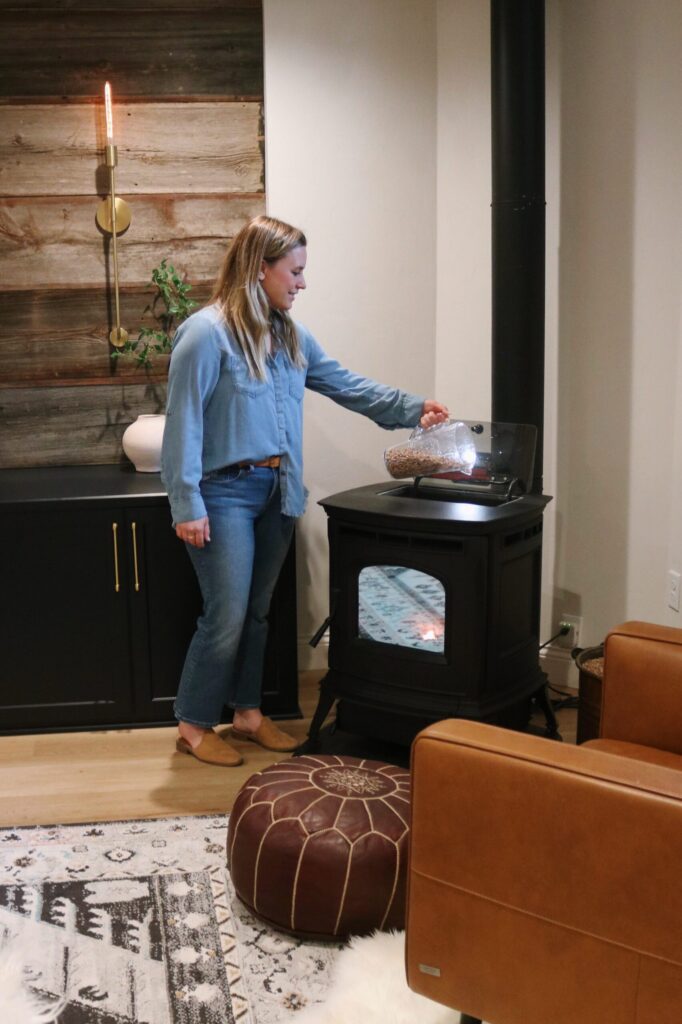
As the world shifts towards more sustainable energy sources, pellet stoves have become a popular choice for home heating. Not only are they cost-effective, but they also offer a more environmentally friendly alternative to traditional wood-burning stoves. In this article, we’ll delve into the world of pellet stoves, exploring how you can optimize your home with these innovative devices.
What are Pellet Stoves?
Pellet stoves are a type of combustion appliance that burns compressed wood pellets as fuel. These pellets are made from sawdust and other wood waste, compacted into cylindrical shapes to increase their energy density. When burned, the pellets produce heat, which can be distributed throughout your home through a system of ducts and radiators.
Benefits of Pellet Stoves
So why choose pellet stoves over traditional wood-burning stoves? For starters, they offer several advantages:
- Environmental Benefits: Pellet stoves are a more eco-friendly option, producing significantly less emissions than traditional wood-burning stoves.
- Cost-Effective: Pellets can be cheaper than wood, especially when purchased in bulk.
- Low Maintenance: Pellet stoves require minimal maintenance, as they have fewer moving parts and no chimney to clean.
Choosing the Right Pellet Stove
With so many options available, selecting the right pellet stove can be overwhelming. Here are some key factors to consider:
- Quality of Fuel: Look for pellets made from high-quality wood, such as fagus or beech. Avoid those with high levels of polystyrene or other additives.
- Classification European Standard: Ensure that your chosen pellets meet the European standard for quality (A1, A2, or B).
- Price and Availability: Consider the cost and availability of pellets in your area.
Tips for Optimizing Your Home with Pellet Stoves
While pellet stoves offer numerous benefits, they require proper installation and maintenance to function efficiently. Here are some tips to help you optimize your home:
- Insulate Your Home: Proper insulation can significantly improve the efficiency of your pellet stove.
- Choose the Right Location: Ensure that your pellet stove is placed in a well-ventilated area, away from windows and doors.
Common FAQs
Here are some frequently asked questions about pellet stoves:
- How much does it cost to install a pellet stove?
The cost of installation can vary depending on the size and complexity of the project. On average, expect to pay between $500 and $5,000. - Do I need a chimney for my pellet stove?
Not always. Some modern pellet stoves are designed without chimneys, making them more efficient and easier to maintain. - Can I use pellets made from any type of wood?
No, not all types of wood are suitable for burning in a pellet stove. Look for high-quality pellets made from hardwoods like fagus or beech.
Safety Considerations
Before installing a pellet stove, ensure you take the necessary safety precautions:
- Proper Ventilation: Ensure that your home is well-ventilated to prevent carbon monoxide buildup.
- Chimney Maintenance: Regularly inspect and clean your chimney to prevent damage or fires.
- Pellet Storage: Store pellets in a dry, well-ventilated area away from heat sources.
Maintenance and Upkeep
To ensure optimal performance and longevity of your pellet stove:
- Regular Cleaning: Clean the stove regularly to maintain efficiency and reduce emissions.
- Fuel Quality Check: Regularly inspect the quality of your pellets to ensure they meet the European standard for quality (A1, A2, or B).
- Maintenance Schedule: Create a maintenance schedule to keep track of regular cleaning and inspections.
Pellet Stove Compatibility
Not all homes are compatible with pellet stoves. Before installing a stove, consider:
- Home Age: Older homes may require additional modifications or insulation.
- HVAC System: Ensure that your heating, ventilation, and air conditioning (HVAC) system is compatible with the stove’s heat output.
Conclusion
Pellet stoves offer a convenient, cost-effective, and environmentally friendly alternative to traditional home heating systems. By choosing the right pellet stove and following these tips for optimization, you can enjoy a warm and cozy home while reducing your carbon footprint.


