
Optimizing Water Conservation at Home: Strategies, Devices, and Best Practices
As the world grapples with the challenges of water scarcity, it’s essential to take action at home to conserve this precious resource. According to the Organisation for Economic Co-operation and Development (OECD), households are responsible for a significant portion of water waste in Italy. In this article, we’ll explore practical strategies, devices, and best practices to help you save water at home.
Understanding Water Consumption
Before we dive into the nitty-gritty of water conservation, it’s crucial to understand where most of our water goes. According to the OECD, the primary sources of water consumption in households are:
- Personal hygiene (43%): 33% for showers and bathing, 10% for sinks
- Toilets
- Appliances: 14%: 11% for washing machines, 3% for dishwashers
- Outdoor spaces: 3%: gardens, pools
Easy Wins: Simple Changes to Make a Big Impact
Staying ahead of the curve requires making conscious changes to your daily habits. Here are some easy wins to get you started:
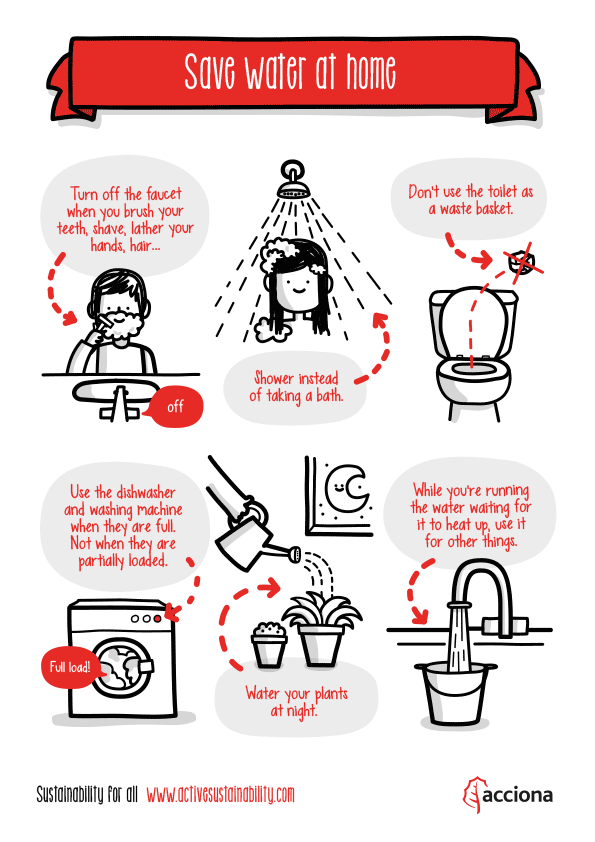
- Turn off the tap: When washing dishes, brushing teeth, or washing hands, turn off the tap while soaping up.
- Take shorter showers: Reduce your shower time by 10-15 minutes to save 100-150 liters of water per week.
- Fix those leaks: A single dripping faucet can waste up to 20 liters of water per day. Fixing it is a simple and effective way to conserve water.
Smart Devices and Tools
Investing in smart devices and tools can make a significant impact on your water conservation efforts:
- Low-flow showerheads: Install low-flow showerheads, which use significantly less water than traditional ones.
- Dual-flush toilets: Upgrade to dual-flush toilets that use less water for liquid waste and more water for solid waste.
- Rainwater harvesting systems: Collect rainwater in tanks or barrels and use it for irrigation or flushing toilets.
More Than Just a Drop
While individual actions may seem insignificant, collective efforts can lead to significant changes:
- Install greywater reuse systems: Reuse greywater (wastewater from sinks, showers, and washing machines) for irrigation.
- Improve indoor air quality: Reduce humidity levels by using dehumidifiers, which can help prevent mold growth.
- Maintain your plumbing system: Regularly inspect and maintain your pipes to detect any leaks or cracks.
Innovative Solutions
Innovative technologies are emerging to address water conservation challenges:
- Smart toilets: Some toilets come equipped with sensors that detect the user’s weight, adjusting the water usage accordingly.
- Automated irrigation systems: Smart controllers can optimize watering schedules based on weather forecasts and soil moisture levels.
- Water-efficient appliances: New appliances are designed to use significantly less water than traditional models.
Reducing Water Consumption through Behavioral Changes
Behavioral changes can also play a significant role in reducing water consumption:
- Use drought-resistant plants: Choose plants that require minimal watering for your garden or indoor spaces.
- Wash clothes in cold water: Washing clothes in cold water can save up to 90% of the energy needed for hot water washing.
- Avoid over-watering lawns and gardens: Use mulch, compost, and efficient irrigation systems to reduce watering needs.
The Benefits of Water Conservation
Water conservation is not only beneficial for the environment but also has numerous economic and social benefits:
- Save money on your water bills: Conserving water can lead to significant savings on your water bills.
- Reduce energy consumption: Using less water means using less energy to heat, treat, and transport water.
- Improve public health: Reducing water pollution can help prevent the spread of waterborne diseases.
Conclusion
Conserving water at home is a collective responsibility. By implementing simple strategies, investing in smart devices, and adopting innovative solutions, we can collectively make a significant impact on water scarcity. Every drop counts, and together, we can create a more sustainable future.
Frequently Asked Questions
- What’s the best way to reduce my water consumption at home?
- Start by identifying areas where you waste the most water and implement simple changes like turning off the tap while brushing teeth or taking shorter showers.
- How much water do I save by installing a low-flow showerhead?
- Low-flow showerheads can use up to 50% less water than traditional ones, making them a great investment for water conservation.
- Can I install a rainwater harvesting system in my backyard?
- Yes! Rainwater harvesting systems are becoming increasingly popular and can be installed in backyards, providing a reliable source of water for irrigation and other non-potable uses.
Additional Resources


