
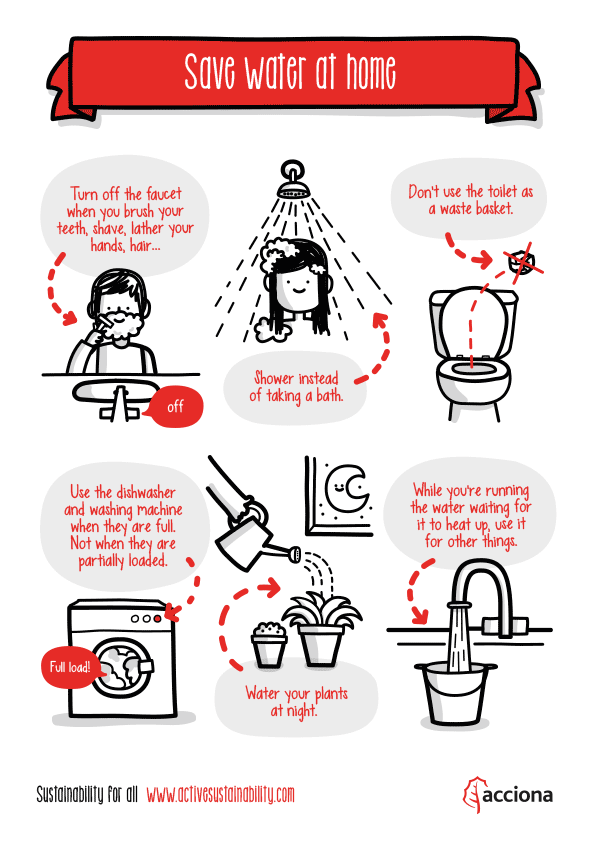
Water conservation is a crucial aspect of our daily lives, and it’s essential that we take steps to reduce our water usage. The truth is, we’re not always mindful of how much water we’re using, and as a result, we’re wasting an alarming amount of this precious resource. From toilets and showers to washing machines and gardens, there are many ways to conserve water at home.
Why Water Conservation Matters
Water is a limited resource, and its scarcity will only increase in the future. By conserving water, we can help mitigate the effects of droughts, floods, and other extreme weather events that can have devastating impacts on our environment and economies. Moreover, reducing our water usage can also lead to significant cost savings on our energy bills.
Where to Start: Focusing on High-Usage Areas
The first step towards conserving water is to identify areas in your home where you’re using the most water. In most cases, it’s the toilets, showers, and washing machines that are the biggest culprits. By targeting these high-usage areas, you can make a significant impact on your water bill.
Toilets: A Major Source of Water Waste
Toilet water usage is staggering. In fact, a typical toilet can use up to 20 gallons of water per flush! This is equivalent to a full bathtub or shower. By installing low-flow toilets and reducing the amount of water in the tank, you can save a significant amount of water.
Showers: A Bottleneck for Water Conservation
Showers are another area where water is wasted. On average, a person takes 5-minute showers, which can use up to 20 gallons of water. By installing low-flow showerheads and reducing the temperature, you can conserve a substantial amount of water.
Washing Machines: A Hidden Water Drain
Washing machines are often considered a minor contributor to water waste, but they can actually account for a significant portion of our daily water usage. By investing in energy-efficient washing machines and using cold water, you can reduce your water bill by up to 30%.
Gardens: Finding Alternative Water Sources
For outdoor activities like watering plants or washing cars, it’s often possible to use alternative water sources that are free from tap water. Rainwater harvesting systems or greywater reuse systems can provide a reliable and sustainable source of water for these purposes.
Real-World Strategies for Water Conservation
So, how can you put these strategies into practice? Here are some real-world tips:
- Install low-flow toilets and showerheads: These devices use significantly less water than their traditional counterparts. By installing them, you can save up to 20 gallons of water per flush.
- Use cold water when washing clothes or doing dishes: Cold water uses less energy and conserves water. You can also consider using a washing machine with a cold-water cycle.
- Fix leaks promptly: Leaks may seem small, but they can waste a significant amount of water over time. Fixing them quickly will save you money on your energy bills.
- Consider installing rainwater harvesting systems for outdoor watering needs: These systems collect and store rainwater for non-potable uses like watering plants or washing cars. This is an effective way to reduce your water bill.
- Run full loads in the dishwasher and washing machine: Running full loads can maximize efficiency and conserve water.
Additional Tips
Here are some additional tips to help you conserve water at home:
- Use a water-efficient lawn mower: Traditional lawn mowers use a significant amount of water. Consider using a zero-turn mower or a ride-on mower with a water-saving feature.
- Install a greywater reuse system: Greywater systems collect and treat wastewater from sinks, showers, and washing machines for irrigation purposes.
- Use drought-resistant plants: Planting drought-resistant plants can reduce your watering needs. This is especially helpful in areas with limited water resources.
- Monitor your water usage: Keeping track of your water consumption will help you identify areas where you can improve. You can use a smart water meter to monitor your usage.
Conclusion: Making Water Conservation a Priority
Water conservation is no longer just an environmental issue; it’s also an economic one. By making small changes to your daily habits and investing in water-efficient appliances, you can save money on your energy bills and contribute to a more sustainable future.
By implementing these strategies and making water conservation a priority, you can have a significant impact on the environment and your wallet.


