
As we continue to improve the performance of our vehicles, it becomes increasingly easier to save on fuel costs (considered as fuel). However, there are other factors at play – your car’s condition and driving style. Let’s explore them in detail.
Improving Vehicle Performance
This section is for those thinking of purchasing a car that also sips less fuel. Although it may seem obvious, new vehicles consume varying amounts of fuel. The European Union has implemented regulations to standardize emissions from new cars. These regulations outline specific targets and guidelines to reduce CO2 emissions.
The European Commission’s Directive 443/2009 sets standards for the emissions of new automobiles. It aims to achieve a community-wide average CO2 emission level of 130 grams per kilometer, with an additional 10 grams/km reduction through complementary technical measures such as tires, fuels, and other factors.
These regulations are gradually increasing the number of vehicles that must meet these standards. By January 2015, all cars will be required to achieve this target.
The EU has also introduced a long-term goal of reducing CO2 emissions per kilometer to 95 grams by 2020. The regulation takes into account the vehicle’s mass (weight), with heavier vehicles requiring higher emission limits.
To minimize fuel consumption and emissions, it is essential to understand how your car’s performance impacts its fuel efficiency. In our next section, we will explore some simple rules for maintaining your car and driving habits that can help reduce fuel consumption by up to 10-15%.
Maintaining Your Vehicle
Following these easy-to-implement guidelines can significantly reduce fuel consumption.
- Regularly check your vehicle’s maintenance records, as recommended by the manufacturer. This includes changing the oil at the right time and disposing of it properly.
- Check your tire pressure at least once a month, preferably when the tires are cold (i.e., not driven on for an extended period). Low-pressure tires consume more fuel and wear out faster.
- Varying the size of your tires can significantly impact your car’s performance. However, this should be done with caution, as it may affect the vehicle’s handling.
- Avoid using winter tires during non-winter months, as they increase fuel consumption.
- Never overload your vehicle, as excess weight and improper alignment can negatively affect fuel efficiency and stability.
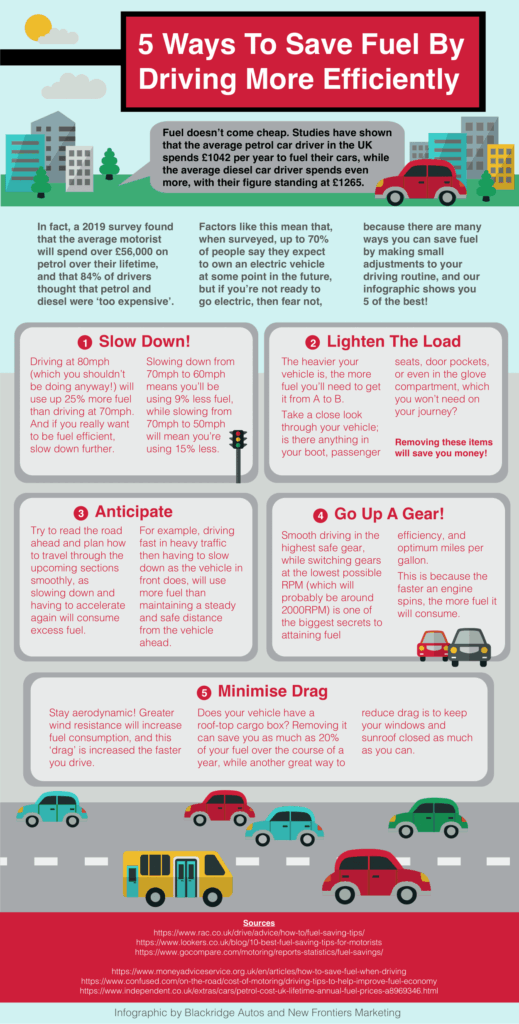
- Remove any unnecessary accessories from your car to minimize drag and improve aerodynamics.
- Keeping your windshield closed is crucial for maintaining a comfortable cabin temperature while driving.
By following these guidelines, you can significantly reduce your fuel consumption. Now let’s discuss the importance of driving habits in optimizing fuel efficiency.
Driving Habits
Good driving habits combined with regular vehicle maintenance can lead to significant reductions in fuel consumption and emissions. Here are some expert tips on how to improve your driving skills:
- Avoid sudden acceleration, as this leads to increased fuel consumption.
- Use the accelerator smoothly and gradually when driving uphill or merging onto a busy road.
- Choose the highest gear possible for most of your drive at moderate speeds (above 40 mph).
- Reduce speed limits whenever possible and maintain a steady pace to minimize fuel usage.
- Decelerate gradually by easing off the accelerator while in gear, as this reduces wear on brakes and improves overall efficiency.
- Turn off your engine when stopped for extended periods.
- Limit the use of air conditioning or open windows to cool down your cabin instead.
Additionally, there are a few advanced techniques that can help you optimize fuel efficiency:
- Use cruise control on long stretches of highway, as this helps maintain a consistent speed and reduces fuel consumption.
- Shift gears smoothly and avoid abrupt acceleration or braking.
- Consider using a fuel-efficient driving mode in your car’s transmission system.
- Plan your routes in advance to minimize stops and idling.
Advanced Fuel Efficiency Techniques
For those looking to take their fuel efficiency to the next level, here are some advanced techniques you can try:
- Use regenerative braking: This involves using your car’s regenerative braking system to slow down while driving downhill. This can recover some of the kinetic energy and turn it into electricity, which is then stored in your battery.
- Implement gear shifting strategies: Some cars allow you to adjust the shift points for different gears. By optimizing these shifts, you can reduce fuel consumption by fine-tuning your car’s engine RPM.
- Use a fuel-efficient driving app: There are many apps available that track your fuel consumption and provide tips on how to optimize it. These apps can help you identify areas where you can improve your driving habits and make data-driven decisions about your fuel efficiency.
By combining these advanced techniques with regular vehicle maintenance and good driving habits, you can significantly reduce your fuel consumption and emissions.
Conclusion
Optimizing your fuel efficiency is a simple yet effective way to save money on fuel costs. By understanding how your car’s performance impacts its fuel efficiency, following simple guidelines for maintaining your vehicle, and practicing good driving habits, you can significantly reduce your fuel consumption by up to 10-15%.
For those looking to take their fuel efficiency to the next level, there are advanced techniques such as using regenerative braking, implementing gear shifting strategies, and using a fuel-efficient driving app.


