
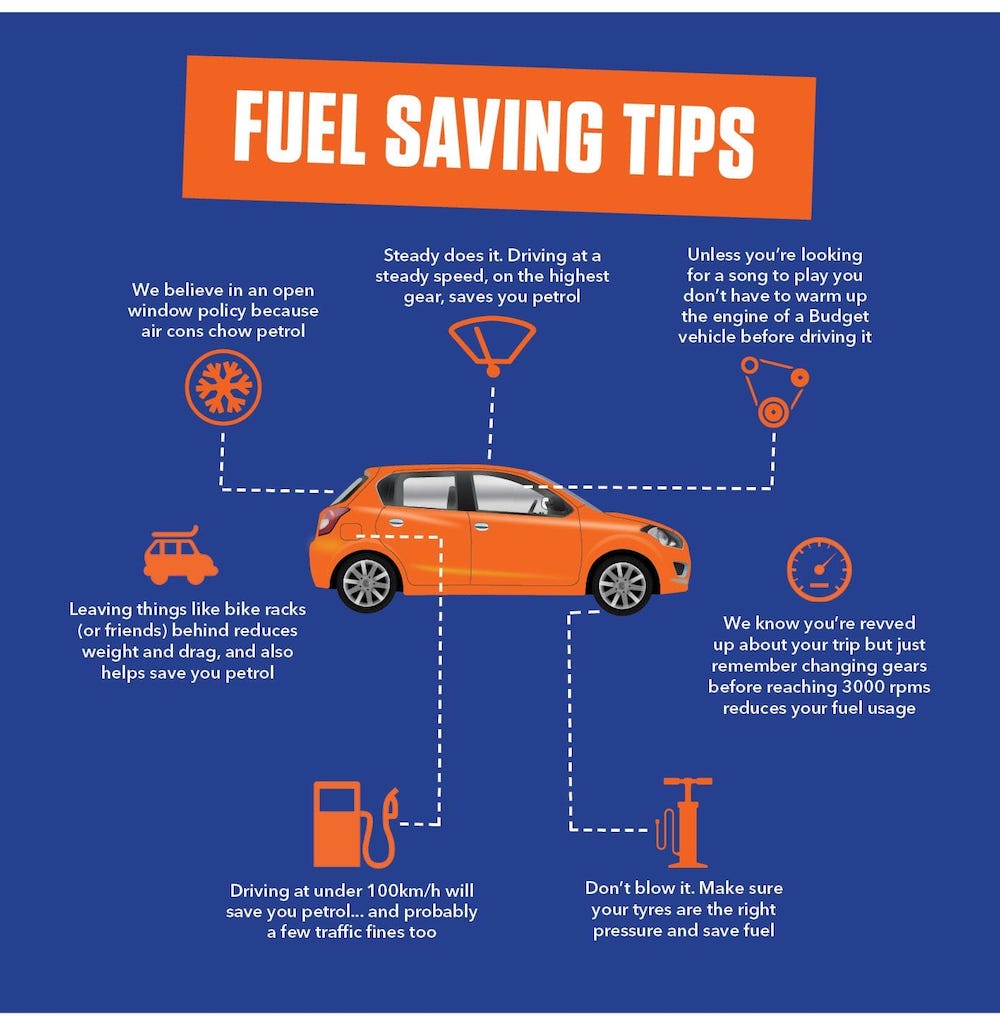
As a car owner, you’re likely always on the lookout for ways to save money and reduce your environmental impact. One effective way to do this is by optimizing your car’s fuel efficiency. In this article, we’ll explore the top tips to help you achieve better gas mileage, from smart driving habits to regular maintenance and savvy usage strategies.
Understanding the Importance of Fuel Efficiency
Fuel efficiency is not just about saving money; it’s also crucial for reducing emissions and minimizing your carbon footprint. By optimizing your car’s fuel efficiency, you can significantly lower your greenhouse gas emissions and contribute to a more sustainable future.
Driving Habits: The Key to Better Gas Mileage
Aggressive driving habits are some of the most significant contributors to poor fuel efficiency. Here are 10 simple tips to help you drive smarter:
1. Accelerate Gradually
Avoid “tugging” on the accelerator pedal, and instead, accelerate gradually. This will help reduce wear and tear on your engine and minimize fuel consumption.
2. Use the Right Gear
Maintain a steady speed as much as possible, using the correct gear for the situation. Avoid shifting gears too frequently or abruptly, which can increase fuel consumption.
3. Cruise at Moderate Speeds
Keep your speed between 40-60 mph (64-97 km/h) to achieve optimal fuel efficiency. High speeds can significantly decrease gas mileage.
4. Brake Smoothly
Avoid slamming on the brakes, and instead, use gentle, smooth braking techniques. This will reduce wear on your brakes and minimize fuel consumption.
5. Release the Accelerator Gradually
When decelerating, release the accelerator pedal gradually to help slow down smoothly.
6. Turn Off Your Engine
Turn off your engine when the vehicle is completely stationary, such as at red lights or in traffic jams.
7. Check Tire Pressure
Maintain the recommended tire pressure to improve fuel efficiency and extend the lifespan of your tires.
8. Remove Accessories
Remove any unnecessary accessories, such as roof racks or bike carriers, to reduce wind resistance and improve gas mileage.
9. Use the A/C Wisely
Use the air conditioning sparingly, especially in hot weather conditions, as it can significantly increase fuel consumption. Consider using a sunshade or tinted windows to keep your car cooler.
10. Avoid Idling
Avoid idling for extended periods, as this can waste fuel and increase emissions.
Regular Maintenance: The Secret to Better Fuel Efficiency
While driving habits are crucial, regular maintenance is also essential for optimal fuel efficiency. Here are some tips:
1. Follow the Recommended Maintenance Schedule
Stay on top of your car’s recommended maintenance schedule to ensure that all necessary repairs and replacements are made.
2. Change Your Oil Regularly
Regular oil changes can help extend the lifespan of your engine and improve fuel efficiency.
3. Check Fluid Levels
Monitor your car’s fluid levels regularly, including the transmission fluid, coolant, and brake fluid.
4. Replace Worn-Out Parts
Replace worn-out parts, such as spark plugs and air filters, to maintain optimal performance and efficiency.
Savvy Usage Strategies: The Final Touches
Here are some additional tips to help you optimize your car’s fuel efficiency:
1. Plan Your Route
Plan your route in advance to avoid traffic congestion and construction delays.
2. Avoid Peak Hour Driving
Avoid driving during peak hour times when possible, as this can significantly increase fuel consumption.
3. Use Gas-Saving Features
Many modern cars come equipped with gas-saving features, such as automatic start/stop technology or eco-mode. Take advantage of these features to optimize your car’s fuel efficiency.
Additional Tips for Optimal Fuel Efficiency
Here are some additional tips that can help you achieve optimal fuel efficiency:
1. Use Low-Rolling-Resistance Tires
Low-rolling-resistance tires can significantly improve fuel efficiency, especially on long trips.
2. Remove Weight from Your Car
Removing weight from your car, such as by removing unnecessary accessories or using a car cover, can help reduce wind resistance and improve gas mileage.
3. Drive in the Right Gear for the Terrain
Adjusting to different driving conditions can significantly impact fuel efficiency. For example, drive in fourth gear when cruising down the highway at high speeds.
4. Use Cruise Control Wisely
Cruise control can help maintain a steady speed, but be sure to use it wisely and only on long trips or when driving on flat terrain.
Conclusion:
Optimizing your car’s fuel efficiency is easier than you think. By implementing the tips outlined in this article, you can significantly reduce your greenhouse gas emissions and save money on fuel costs. Remember, every little bit counts, and making a few simple changes to your driving habits and maintenance routine can make a big difference.
Frequently Asked Questions:
Q: How much can I expect to save on fuel costs by optimizing my car’s fuel efficiency?
A: Depending on the tips implemented, you can expect to save anywhere from 10% to 20% on fuel costs.
Q: Are there any specific driving habits that can help improve fuel efficiency?
A: Yes, aggressive driving habits such as speeding, rapid acceleration, and hard braking can significantly decrease gas mileage. By adopting smart driving habits, you can optimize your car’s fuel efficiency.
Q: Can I use a gas-saving app to monitor my fuel efficiency?
A: Yes, many popular GPS apps offer fuel efficiency tracking features that allow you to monitor your progress and identify areas for improvement.
Q: How often should I change my oil to maintain optimal fuel efficiency?
A: The recommended oil change interval varies depending on the manufacturer’s guidelines. Be sure to consult your owner’s manual for specific recommendations.
Q: Can I use a gas-saving device to improve my car’s fuel efficiency?
A: Some devices, such as catalytic converters or exhaust systems, can help reduce emissions and improve fuel efficiency. However, these devices may not be effective in all situations and should only be used under the guidance of a qualified mechanic.
Common Mistakes to Avoid
Here are some common mistakes that can negatively impact your car’s fuel efficiency:
1. Aggressive Driving Habits
Aggressive driving habits, such as speeding and rapid acceleration, can significantly decrease gas mileage.
2. Poor Tire Pressure
Maintaining proper tire pressure is essential for optimal fuel efficiency. Underinflated tires can increase rolling resistance and reduce gas mileage.
3. Neglecting Regular Maintenance
Regular maintenance is crucial for maintaining your car’s fuel efficiency. Neglecting regular maintenance tasks, such as oil changes and tire rotations, can lead to decreased fuel efficiency.
4. Using the A/C Excessively
Using the air conditioning excessively can significantly increase fuel consumption. Consider using a sunshade or tinted windows to keep your car cooler.
By following these tips and avoiding common mistakes, you can optimize your car’s fuel efficiency and contribute to a more sustainable future. Remember, every small change can make a big difference!


