
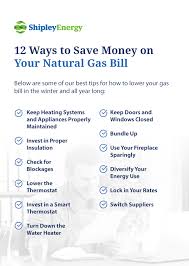
Understanding the Importance of Efficient Heating Systems
As the winter months approach, many of us are concerned about our energy bills and the environmental impact of our heating systems. One simple yet effective way to reduce your methane consumption is by upgrading to a more efficient boiler or implementing practical tips to optimize your current system. In this article, we’ll explore the benefits of saving on methane heating, provide actionable advice, and discuss alternative solutions like solar thermal.
The Consequences of Inefficient Heating Systems
Inefficient boilers not only increase your gas consumption but also skyrocket your bills. By allowing air leaks and condensation to build up in your system, these issues can lead to increased wear and tear on your boiler, causing it to work harder than necessary. This results in wasted energy, higher emissions, and a larger carbon footprint.
Identifying Opportunities for Improvement
Before diving into solutions, it’s essential to identify potential areas for improvement in your heating system. Here are some general guidelines to get you started:
Bleeding Radiators
Air trapped in the pipes of your system can deposit into the radiators, preventing them from reaching their full temperature. This unnecessary work on your boiler leads to increased energy consumption and higher bills.
Avoiding Air Leaks and Open Windows
Air leaks around windows and doors can cause warm air to escape, reducing the overall efficiency of your heating system. Regularly inspect your home for gaps and seal them using weatherstripping or caulk.
Optimizing Window Performance
Old or outdated window frames can significantly impact heat dispersion. Replace these with modern PVC or wood-framed windows, which offer better insulation properties. Double-glazed windows are also an excellent option to prevent heat loss between the inside warm air and outside cold air.
Regulating Indoor Temperature
Maintaining a consistent indoor temperature is crucial for efficient heating. Aim for 19°C during the day and 16°C at night to minimize energy consumption.
Furniture and Curtain Placement
Keep radiators clear of furniture and curtains, as these can block airflow and reduce heat dispersion.
Insulation and Radiator Positioning
Position insulation behind radiators to reflect heat back into the room. This helps prevent heat loss through walls and ensures more efficient heating.
Scheduling Smart Boiler Usage
Effective boiler scheduling can also help minimize energy consumption:
- Turn off your boiler or regulate the timer in the evenings, allowing it to reheat approximately two hours before waking up.
- Close doors to unoccupied rooms to prevent warm air from escaping.
- Consider installing flow restrictors on all faucets and showers to reduce water consumption by 10-15% and hot water consumption by 20-30%.
Harnessing the Power of Solar Thermal
For a more substantial investment, consider solar thermal systems. With fiscal incentives, the cost of installation can be amortized in just a few years. A typical family can expect to spend between €2000 and €4000 for an installation. In the long run, considering tax benefits, this investment will pay for itself and contribute positively to the environment.
Additional Tips for Energy Efficiency
In addition to upgrading your heating system or implementing practical tips, here are some extra measures you can take to reduce your energy consumption:
Using Passive Heating
Open internal curtains during sunny days to let sunlight warm up your home. During colder months, close them at night to retain the heat.
Implementing Smart Home Devices
Install smart thermostats and heating controls that allow for remote monitoring and automation of your system. This enables you to optimize energy usage when you’re not present.
Replacing Incandescent Light Bulbs with LEDs
LED light bulbs are significantly more energy-efficient than incandescent bulbs, using up to 90% less power while producing the same amount of brightness.
Using Power Strips for Electronics
Unplug electronics and devices when they’re not in use to eliminate standby power consumption. Use power strips that can be turned off with a single switch.
Reducing Energy Consumption through Behavioral Changes
Make simple changes like turning off lights, adjusting your thermostat, or using natural light during the day to minimize energy usage. Every small step contributes to making a significant difference.
Understanding and Adapting to Changing Regulations
As governments and regulatory bodies continue to evolve their energy policies, it’s crucial to stay informed about the latest developments:
-
Renewable Energy Incentives: Many countries offer incentives for homeowners who invest in renewable energy systems like solar thermal or wind power. Research these opportunities in your area.
-
Energy Efficiency Standards: Familiarize yourself with local and national standards for energy efficiency, which can guide you in choosing the most environmentally friendly options for your heating system.
Conclusion
Saving on methane heating requires minimal effort but substantial rewards. By implementing practical tips, harnessing the power of solar thermal, and staying informed about changing regulations, you can reduce your energy bills, lower your carbon footprint, and create a more sustainable living space. So why not start optimizing your heating system today?
Frequently Asked Questions (FAQs)
Q: How much money can I save on my methane bill by upgrading to an efficient boiler?
A: The amount of savings depends on various factors, including the type and efficiency of the new boiler. However, a well-designed and installed system can lead to significant reductions in energy consumption.
Q: Can bleeding radiators improve heating efficiency?
A: Yes, regular bleeding can remove air from pipes and ensure that radiators work efficiently, reducing heat loss and increasing overall performance.
Q: How often should I check for air leaks around windows and doors?
A: Regularly inspect your home during the transition between summer and winter to identify any potential gaps or weaknesses in your window and door seals. Seal these areas promptly to prevent heat loss.
Q: Are there specific types of windows that are more energy-efficient than others?
A: Yes, modern PVC or wood-framed windows with double-glazing offer superior insulation properties compared to older frames. These options help reduce heat dispersion and minimize energy consumption.
Q: What is the ideal indoor temperature for efficient heating?
A: Maintaining an indoor temperature of 19°C during the day and 16°C at night can significantly contribute to reduced energy consumption while ensuring a comfortable living environment.
Q: How does regulating radiator placement impact heating efficiency?
A: By keeping radiators clear of furniture and curtains, you allow them to function more efficiently, reducing heat loss through walls and promoting better airflow.
Q: Can I still save money by implementing these tips if I don’t upgrade to an efficient boiler immediately?
A: Absolutely. Every small change counts, and even minor adjustments can lead to noticeable savings in your energy bills. Gradually implement the recommended measures and monitor their impact on your heating expenses.
Q: Are there any additional benefits to using solar thermal systems?
A: Yes, apart from reducing greenhouse gas emissions, investing in solar thermal systems offers substantial long-term financial returns due to government incentives and tax breaks.
Q: What kind of maintenance is required for a solar thermal system?
A: Regular cleaning and inspections are essential to ensure optimal performance. Consult your system’s manufacturer guidelines for specific maintenance recommendations.
Q: Can I save money on my energy bills by implementing these tips during the summer months as well?
A: Yes, some of the recommended measures can be applied year-round, including ensuring good insulation, regulating indoor temperature, and avoiding air leaks around windows. These practices contribute to overall energy efficiency, not just heating efficiency.
Q: How long does it take for savings from these tips to accumulate?
A: The time frame varies depending on your current system’s performance, the effectiveness of implemented measures, and individual circumstances. However, even minor adjustments can lead to noticeable reductions in energy bills over time.
Q: Can I combine multiple efficiency-saving measures for better results?
A: Yes, implementing a combination of these tips can yield more significant savings than relying on a single measure. Consider consulting with a heating expert to determine the most effective approach tailored to your specific needs and circumstances.


