
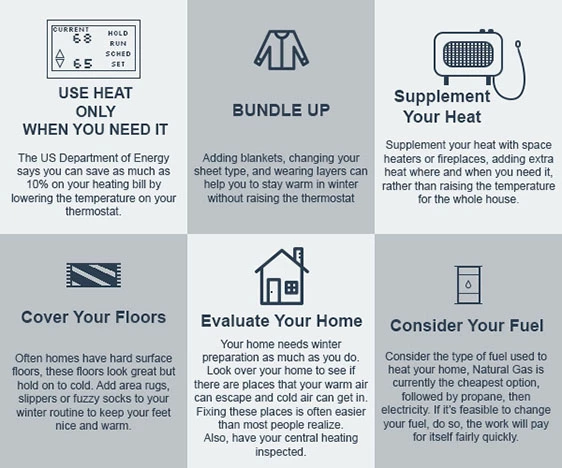
Have you ever received a hefty gas bill, only to wonder if there are ways to save money? The answer is yes! While it may seem obvious that reducing gas consumption will lead to lower bills, the reality is more complex. To truly save on gas for heating, you need to invest in effective measures.
The Importance of Insulation
Isolating your home can significantly reduce energy loss and, subsequently, gas consumption. Every year, the average household consumes around 2000 cubic meters of gas for heating. With each meter costing approximately €0.95, it’s clear that reducing this consumption is essential.
How Insulation Works
Insulation helps to trap heat within your home, reducing the need for your boilers and heaters to work harder. When you have well-insulated walls, floors, and ceilings, your heating system will be less stressed, using less gas in the process. This concept may seem simple, but it’s crucial to understanding how insulation can save you money on your gas bills.
The Benefits of Proper Isolation
Proper isolation is essential for maintaining a comfortable home temperature without breaking the bank. If your home has gaps and holes that allow heat to escape, it will be challenging to maintain an optimal temperature. A well-insulated home, on the other hand, ensures that your heating system works efficiently.
Investing in Home Isolation
If you’re looking for a cost-effective way to save energy, isolating your home is the best option. Fiscally, it makes sense to invest in insulation, as you can claim back up to 50-65% of your spending through tax incentives.
DIY Tricks for Saving Energy
While investment may be necessary for some measures, there are several DIY tricks that can make a significant difference:
- Find and seal gaps around windows, doors, and electrical outlets.
- Install double-glazed windows to reduce heat loss.
- Insulate your loft, attic, or ceiling to prevent heat escape.
- Clean your radiators regularly to ensure they’re working efficiently.
- Use a thermostat to regulate the temperature in each room.
Choosing the Right Thermostat
A smart thermostat is an excellent way to optimize your heating system’s performance. By adjusting the temperature and monitoring usage, you can save money on gas bills without compromising comfort.
Additional Tips for Saving Energy
If investing in insulation or a new thermostat isn’t feasible, consider these additional tips:
- Replace old boilers with energy-efficient models.
- Use a hot water tank to store heat from your boiler, reducing the need for constant heating.
- Make sure your radiators are properly installed and maintained.
Conclusion
Saving money on gas bills requires more than just guessing at how much you can save. By investing in insulation, choosing the right thermostat, and implementing additional energy-saving tips, you can efficiently reduce your gas consumption.
Frequently Asked Questions (FAQs)
Q: What is the best way to save money on my gas bill?
A: The most effective method for saving money on your gas bill is investing in insulation. This not only reduces heat loss but also helps your heating system work more efficiently, resulting in lower bills.
Q: How can I reduce my energy consumption at home?
A: There are several methods to reduce energy consumption, including sealing gaps and cracks around windows and doors, installing double-glazed windows, insulating your loft or ceiling, and cleaning your radiators regularly.
Q: Are smart thermostats worth the investment?
A: A smart thermostat can significantly help you save money on gas bills. By regulating temperature and monitoring usage, it ensures that your heating system is working at peak efficiency without compromising comfort.
Q: What are some cost-effective energy-saving measures for my home?
A: Several DIY tricks can make a big difference in saving energy, including sealing gaps around windows, installing double-glazed windows, insulating your loft or ceiling, and cleaning radiators regularly.
Q: Can I save money on gas bills by upgrading to an energy-efficient boiler?
A: Upgrading to an energy-efficient boiler can help reduce your gas consumption and lower your bills. However, it may require a higher upfront investment compared to other methods.
Q: Are there any government incentives for improving home insulation?
A: Yes, many governments offer incentives or tax credits for homeowners who invest in home insulation. These schemes vary by country and region, so it’s best to check with local authorities for specific information.
Q: Can I save money on gas bills by using alternative heating sources?
A: Alternative heating sources like biomass boilers can be an efficient way to reduce your reliance on gas for heating. However, they may require additional maintenance and have higher upfront costs compared to traditional gas-powered systems.
Q: How often should I maintain my boiler and radiators to ensure efficiency?
A: Regular maintenance of your boiler and radiators is crucial to ensuring they work efficiently. Schedule annual check-ups with a professional to identify potential issues before they become major problems.
Q: Can I save money on gas bills by using passive heating methods?
A: Passive heating methods, such as opening curtains during the day to let sunlight warm your home, can help reduce your reliance on active heating systems like boilers. However, this approach may not be suitable for colder climates or homes with inadequate insulation.
Q: Are there any specific energy-saving measures recommended for my region?
A: Energy-saving measures vary depending on your region’s climate and available resources. Check local guidelines and consult with experts to determine the most effective solutions for your area.
In-Depth Analysis of Gas Consumption
To better understand how to save money on gas bills, it’s essential to analyze your current consumption patterns. Here are some factors that can affect gas usage:
- Boiler efficiency: A poorly maintained or inefficient boiler can consume more gas than necessary.
- Radiator performance: Faulty or clogged radiators can reduce their ability to heat the home effectively.
Measuring Gas Consumption
To determine your current gas consumption, you’ll need to measure it using a smart meter or an energy monitor. These tools provide real-time data on your energy usage, helping you identify areas for improvement.
Setting Energy Goals and Budgets
Once you have a clear understanding of your gas consumption, set realistic goals and budgets for reducing your bills. This will help you stay focused on achieving the best results.
Case Studies: Real-World Examples of Gas Savings
Several homeowners have successfully implemented energy-saving measures to reduce their gas bills. Here are some real-world examples:
- Insulation upgrade: A family in the UK invested in a loft insulation upgrade, which reduced their heating costs by 30%.
- Smart thermostat installation: A homeowner in the US installed a smart thermostat, which helped them save an average of $200 per year on their gas bills.
Conclusion
Saving money on gas bills requires careful planning and execution. By investing in insulation, choosing the right thermostat, and implementing additional energy-saving tips, you can efficiently reduce your gas consumption and lower your bills. Additionally, understanding your current consumption patterns, measuring gas usage, setting realistic goals, and exploring case studies can help you achieve the best results.
Next Steps
If you’re ready to start saving money on gas bills, here are some next steps:
- Conduct an energy audit: Hire a professional to assess your home’s energy efficiency and identify areas for improvement.
- Invest in insulation: Upgrade your loft or ceiling insulation to reduce heat loss and save on heating costs.
- Choose the right thermostat: Install a smart thermostat that regulates temperature and monitors usage, ensuring maximum efficiency.
By following these tips and taking proactive steps, you can efficiently save money on gas bills and enjoy a more comfortable home.


