
As the world becomes increasingly aware of the importance of reducing carbon emissions and mitigating climate change, individuals are looking for ways to optimize their daily habits to make a positive impact. One crucial aspect is improving fuel efficiency in your vehicle, which not only saves you money on gas but also contributes to a cleaner environment.
In this article, we will delve into the world of car maintenance, explore effective driving techniques, and discuss various models that are designed to reduce emissions. Whether you’re an environmentally conscious commuter or an avid driver looking for ways to save on fuel costs, this guide is tailored to meet your needs.
Understanding the Importance of Fuel Efficiency
Before diving into specific tips and recommendations, it’s essential to grasp the significance of fuel efficiency. Not only does it help reduce greenhouse gas emissions, but it also saves you money in the long run. By optimizing your car’s fuel efficiency, you can expect a 10-15% reduction in CO2 emissions, which may not seem like a significant amount, but collectively, these efforts contribute to a substantial impact.
The Benefits of Fuel-Efficient Vehicles
In recent years, there has been a surge in the development of fuel-efficient vehicles. These cars are designed to minimize energy consumption while maintaining performance and comfort. Some of the most efficient models include hybrid and electric vehicles, which use alternative power sources such as electricity or hydrogen.
When shopping for a new car, consider the following factors:
- Fuel Type: Decide between gasoline, diesel, or alternative fuel options like hybrid or electric.
- Emissions Rating: Look for cars with low emissions ratings to minimize your environmental impact.
- Mileage: Consider the number of miles you drive per year and choose a car that suits your needs.
10 Essential Tips for Fuel-Efficient Driving
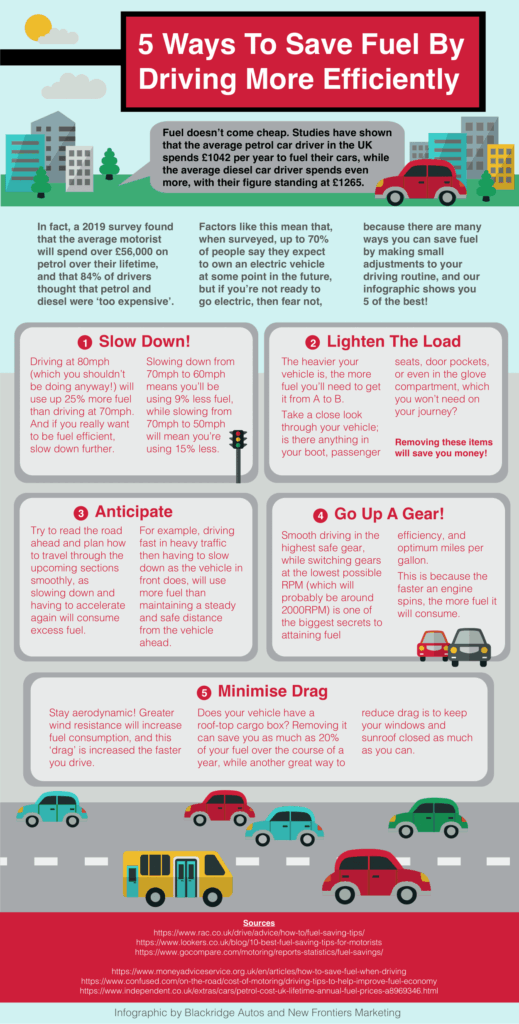
- Accelerate Gradually: Avoid sudden accelerations, as they can lower fuel efficiency. Instead, accelerate smoothly to maintain a steady speed.
- Shift Gears Wisely: Use the correct gear for the situation, and avoid shifting unnecessarily.
- Maintain a Moderate Speed: Drive at moderate speeds (around 40-50 mph) to conserve fuel.
- Use Cruise Control: Engage cruise control on highways to maintain a consistent speed and reduce fuel consumption.
- Avoid Idling: Turn off your engine when stationary for more than 30 seconds to prevent unnecessary fuel consumption.
- Maintain Proper Tire Pressure: Check tire pressure regularly to ensure optimal fuel efficiency.
- Remove Extra Weight: Reduce the weight in your vehicle by removing unnecessary items to improve fuel efficiency.
- Use Air Conditioning Wisely: Use air conditioning only when necessary, and consider using a sunshade or window visor to reduce heat gain.
- Plan Your Route: Plan your route in advance to avoid traffic congestion and reduce fuel consumption.
- Regular Maintenance: Regularly maintain your vehicle to ensure optimal performance and fuel efficiency.
Additional Tips for Specific Driving Situations
- City Driving: Use low gear when driving uphill, especially if you’re carrying heavy loads or towing a trailer.
- Highway Driving: Use cruise control to maintain a consistent speed, and avoid sudden acceleration or braking.
- Mountainous Terrain: Use lower gears to compensate for the increased friction caused by steep inclines.
Choosing a Fuel-Efficient Vehicle
When shopping for a new car, consider the following factors:
- Fuel Type: Decide between gasoline, diesel, or alternative fuel options like hybrid or electric.
- Emissions Rating: Look for cars with low emissions ratings to minimize your environmental impact.
- Mileage: Consider the number of miles you drive per year and choose a car that suits your needs.
Top Fuel-Efficient Vehicles
- Toyota Prius: A hybrid electric vehicle known for its exceptional fuel efficiency, with an estimated EPA rating of up to 52 mpg in the city.
- Tesla Model 3: An all-electric vehicle with an estimated EPA rating of up to 133 mpg-e (miles per gallon of gasoline-equivalent).
- Honda Civic Hybrid: A hybrid electric vehicle with an estimated EPA rating of up to 44 mpg in the city.
- Hyundai Ioniq Hybrid: A hybrid electric vehicle with an estimated EPA rating of up to 52 mpg in the city.
- Chevrolet Bolt EV: An all-electric vehicle with an estimated EPA rating of up to 128 mpg-e.
Conclusion
Optimizing your car’s fuel efficiency is an achievable goal that can have a significant impact on the environment. By following these tips, choosing a fuel-efficient vehicle, and maintaining regular maintenance, you can reduce your carbon footprint while saving money on gas. Remember, every small change counts, and collective efforts can lead to substantial positive changes.
Frequently Asked Questions
- What is the most efficient car on the market?
- The most efficient cars on the market vary depending on factors such as fuel type, emissions rating, and mileage. However, some of the top contenders include hybrid and electric vehicles like the Toyota Prius or Tesla Model 3.
- How much can I expect to save on fuel costs by optimizing my driving habits?
- By following the tips outlined in this article, you can expect a significant reduction in fuel consumption. According to the US Department of Energy, drivers who follow these tips can reduce their fuel consumption by up to 20%.
- What is the best way to maintain my vehicle for optimal fuel efficiency?
- Regular maintenance is crucial for maintaining optimal fuel efficiency. This includes tasks such as oil changes, tire rotations, and brake pad replacements.
- Can I use a gas-saving app to optimize my driving habits?
- Yes, there are several gas-saving apps available that can help you optimize your driving habits and reduce fuel consumption. Some popular options include GasBuddy and Waze.
- How much does it cost to install fuel-efficient features in my vehicle?
- The cost of installing fuel-efficient features such as hybrid or electric systems can vary widely depending on the make and model of your vehicle, as well as the specific features you choose.


