
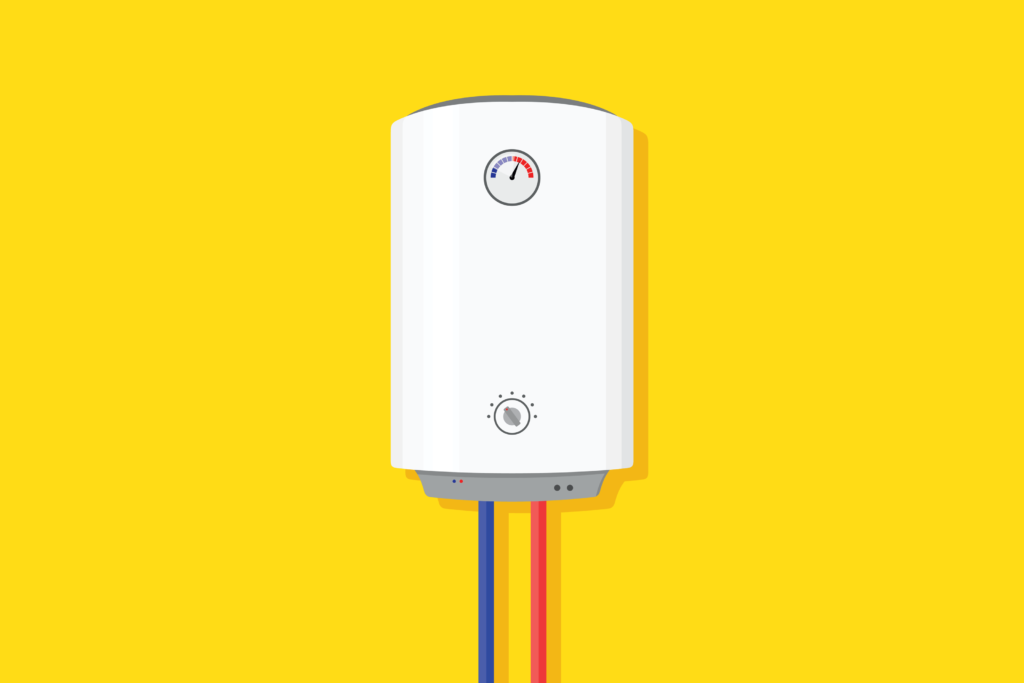
As the world becomes increasingly aware of the importance of energy efficiency, many homeowners are looking for ways to reduce their electricity bills. One often-overlooked area is the electric water heater, which can account for a significant portion of your household’s energy consumption. In this article, we’ll explore the ins and outs of energy-efficient electric water heaters and provide you with practical tips on how to save energy with yours.
Understanding Electric Water Heaters
Electric water heaters are a common appliance found in many homes, used to heat water for various purposes such as showering, washing dishes, and laundry. The heating element is usually located at the bottom of the tank, where it heats up water as it circulates through it. When not in use, the heater remains on standby, consuming energy even when there’s no hot water needed.
Key Factors to Consider When Choosing an Electric Water Heater
When shopping for a new electric water heater, there are several factors to consider to ensure you choose one that meets your needs and helps you save energy:
- Capacity: The capacity of the tank determines how much water it can hold. A larger tank means more hot water available at once, but it also increases energy consumption.
- Energy Efficiency: Look for a heater with a high Energy Factor (EF) rating, which indicates its energy efficiency.
- Thermostat: Some heaters come with thermostats that allow you to set the temperature. Setting the thermostat correctly can help reduce energy consumption.
How to Optimize Your Electric Water Heater
To maximize your electric water heater’s energy efficiency:
- Set the Thermostat Correctly: Lowering the temperature by a few degrees can make a significant difference in energy savings.
- Use a Timer or Scheduling Device: Running the heater during off-peak hours or using a timer can help reduce standby energy consumption.
- Maintain Your Heater Regularly: Proper maintenance, such as cleaning the heating element and checking for leaks, can extend its lifespan and improve efficiency.
Types of Electric Water Heaters
There are several types of electric water heaters available:
- Conventional Models: These are the most common type, using a heating element at the bottom of the tank.
- Heat Pump Models: These use refrigeration to heat water, making them more energy-efficient than conventional models.
- Solar-Powered Models: These harness solar energy to heat water, reducing dependence on traditional electricity.
Tips for Choosing the Right Electric Water Heater
When selecting an electric water heater:
- Consider Your Hot Water Needs: Choose a capacity that meets your household’s hot water requirements.
- Check Energy Efficiency Ratings: Look for heaters with high EF ratings and energy-saving features.
- Read Reviews and Ask for Recommendations: Research different models, read reviews from other users, and ask friends or family members for recommendations.
Energy-Saving Features to Look For
Some electric water heaters come equipped with advanced features that can help reduce energy consumption:
- Demand Response Technology: This feature allows the heater to adjust its energy usage in response to changes in demand on the grid.
- Smart Sensors: These sensors can detect leaks, low water levels, and other issues, sending alerts to your phone or email.
- Energy-Efficient Heating Elements: Some heaters use advanced materials or designs that reduce heat loss and improve efficiency.
Benefits of Energy-Efficient Electric Water Heaters
By choosing an energy-efficient electric water heater, you can enjoy several benefits:
- Lower Energy Bills: Energy-efficient heaters consume less energy, resulting in lower utility bills.
- Reduced Carbon Footprint: By using less energy, you’ll reduce your greenhouse gas emissions and contribute to a cleaner environment.
- Extended Lifespan: Properly maintained energy-efficient heaters can last longer than standard models.
Conclusion
By understanding the factors that affect electric water heater efficiency and taking steps to optimize its performance, you can save energy and reduce your electricity bills. When choosing a new heater, consider capacity, energy efficiency, and thermostat settings to find the best solution for your household’s needs.
FAQs:
- What is the most efficient type of electric water heater?
- How often should I check my electric water heater for maintenance?
- Can I use a timer or scheduling device with my electric water heater?
- Are there any energy-saving features available on some models?
- How can I extend the lifespan of my electric water heater?
By following these tips and understanding the factors that affect your electric water heater’s efficiency, you can enjoy hot water while keeping your energy bills in check.
Additional Tips for Energy Efficiency
To further optimize your electric water heater’s performance:
- Use a Low-Flow Showerhead: Installing a low-flow showerhead can reduce hot water usage and lower your energy bills.
- Adjust Your Water Heater Settings: Experiment with different temperature settings to find the optimal balance between comfort and energy efficiency.
- Consider Upgrading to a Tankless Water Heater: Tankless models use advanced technology to heat water only when needed, making them highly energy-efficient.
Innovative Technologies for Energy Efficiency
The electric water heater industry is constantly evolving, with new technologies emerging that can help reduce energy consumption:
- Heat Exchanger Technology: This innovative design improves heat transfer efficiency, reducing energy losses and improving overall performance.
- Advanced Insulation Materials: New insulation materials can reduce heat loss and improve the efficiency of traditional heaters.
- Smart Home Integration: Some electric water heaters come with smart home integration, allowing you to control temperature settings remotely.
By staying up-to-date with the latest technologies and innovations, you can enjoy even greater energy savings and a more efficient heating system.


