
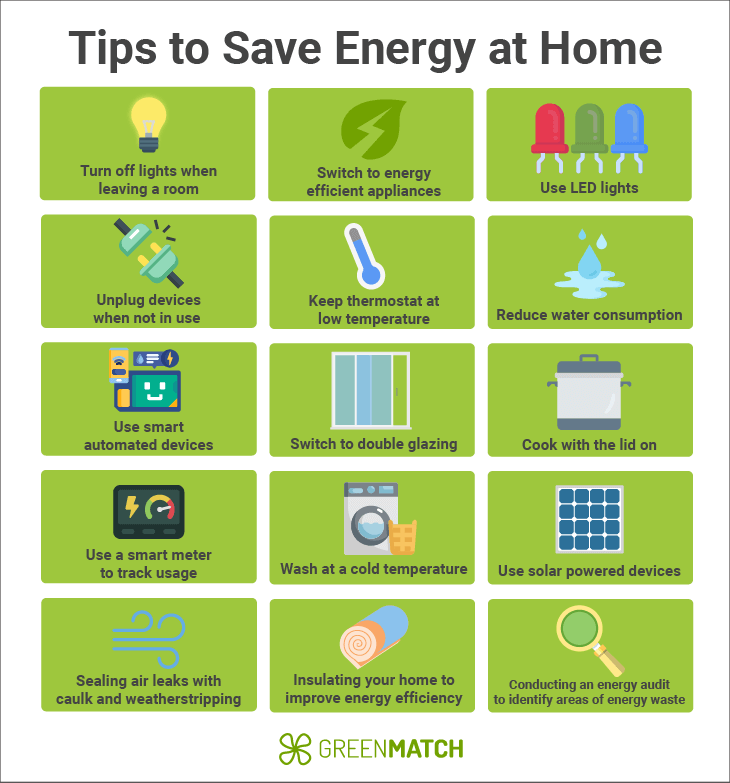
Saving electricity at home means saving money and protecting the environment. With rising energy costs, it’s essential to find ways to reduce our reliance on non-renewable sources of energy. Making a few simple changes to your daily habits can significantly lower your electricity bill.
Why Should We Save Electricity?
Every day, our lives are filled with new challenges that make us spend more money and harm the environment. The energy sector is one of them. By saving electricity at home, we can reduce our carbon footprint and save some cash in the process. A small change in our daily habits can lead to significant savings.
The Importance of Energy Efficiency
Energy efficiency is a crucial aspect of reducing our reliance on non-renewable sources of energy. It involves using less energy while still meeting our needs, which helps to conserve natural resources and reduce greenhouse gas emissions. By making simple changes to our daily habits, we can significantly reduce our electricity bill and contribute to a more sustainable future.
Practical Tips for Saving Electricity at Home
-
Unplug Devices When Not in Use
One simple way to start saving energy is by unplugging devices when not in use, such as TVs, DVD players, and computers. These devices continue to draw power even when turned off but still plugged into the wall. Unplugging them can help reduce standby power consumption, which accounts for up to 10% of a household’s total electricity usage. -
Turn Off Lights When Not Needed
Using LED light bulbs is another great option for reducing your electricity bill. They consume much less energy than traditional incandescent bulbs and last longer. Additionally, turning off lights when not needed can help reduce unnecessary power consumption. -
Adjust Your Refrigerator’s Temperature
Only opening the refrigerator door when necessary can help save a lot of energy. The more you open it, the more power it needs to maintain its temperature. Adjusting the temperature setting and using an automatic door seal can also help reduce energy consumption. -
Use Microwave Instead of Electric Oven
Using your microwave instead of an electric oven for cooking is another effective way to save energy. Microwaves use significantly less energy than ovens, especially when cooking small meals or reheating food. -
Wash Clothes in Full Loads Only
Only running full loads in the washing machine can help reduce your electricity bill. This simple habit can lead to significant savings, as washing machines consume a lot of energy during the spin cycle and heating phase.
How Much Can You Really Save?
By implementing these simple changes, you can save up to 60 euros on your electricity bill each year! However, it’s essential to remember that small changes can add up over time. By making these habits a part of your daily routine, you can significantly reduce your electricity bill and contribute to a more sustainable future.
What Are the Most Energy-Hungry Devices in Your Home?
To get a better idea of how much energy you’re using, it’s essential to monitor which devices are consuming the most power. A simple way to do this is by using an electric meter that can measure the energy consumption of your appliances. Some of the most energy-hungry devices in homes include:
- TVs and DVD players
- Computers and gaming consoles
- Refrigerators and freezers
- Washing machines and dryers
- Ovens and microwaves
Types of Electric Meters Available
There are several types of electric meters available on the market, ranging from basic to advanced models. The cost of these meters varies depending on their features and quality. For a beginner, a simple and affordable option is around 19 euros. However, if you need more accurate measurements, consider investing in an advanced model costing up to 29.99 euros.
Understanding Energy Labels
When purchasing new appliances, it’s essential to check the energy label for information on their efficiency. The European Union has set standards for energy labeling, which clearly indicate the appliance’s energy consumption levels from A+++ (most efficient) to G (least efficient). By choosing energy-efficient appliances, you can significantly reduce your electricity bill and contribute to a more sustainable future.
Frequently Asked Questions
Q: How much can I save by turning off lights when not in use?
A: You can save up to 60 euros on your electricity bill each year just by turning off lights when not needed.
Q: Which appliances consume the most energy?
A: TVs, DVD players, computers, and other devices are among the biggest energy consumers in homes. However, some of the most energy-hungry appliances include refrigerators, freezers, washing machines, and dryers.
Q: How accurate are electric meters for measuring consumption?
A: Basic electric meters can provide basic information on energy consumption, while more advanced models offer higher accuracy and detailed measurements.
Q: What is an energy label, and why is it important?
A: An energy label provides information on the appliance’s energy efficiency and allows you to make informed purchasing decisions. It helps you choose appliances that consume less energy while still meeting your needs.
Q: How often should I check my appliances’ energy labels?
A: It’s recommended to check energy labels before purchasing new appliances or when upgrading existing ones. Regularly checking the label can help you stay on top of energy efficiency and make informed decisions about your purchases.
Common Mistakes People Make When Saving Electricity
-
Not Monitoring Energy Consumption
Many people fail to monitor their energy consumption, which makes it difficult to identify areas where they can improve. By monitoring your energy usage, you can identify patterns and habits that are consuming unnecessary energy. -
Not Adjusting Thermostat Settings
Most households have a thermostat set to an excessively high temperature during the day. By adjusting the temperature setting, you can significantly reduce your heating bill and save energy. -
Using High-Efficiency Appliances Without Proper Maintenance
High-efficiency appliances require regular maintenance to ensure they continue to operate efficiently. Failure to maintain these appliances can lead to reduced performance and increased energy consumption. -
Not Using Natural Light
Natural light is a great source of free energy, especially during the day. By opening curtains and blinds, you can significantly reduce your reliance on artificial lighting and save energy.
Tips for Implementing Energy-Efficient Habits
-
Start Small
Begin by implementing one or two simple habits, such as unplugging devices when not in use or using LED light bulbs. Gradually add more habits over time to achieve significant savings. -
Involve the Whole Family
Make energy-efficient habits a part of your family’s daily routine. By working together, you can create a culture that values energy efficiency and sustainability. -
Conduct Regular Audits
Regularly audit your home for areas where you can improve energy efficiency. Identify patterns and habits that are consuming unnecessary energy and make adjustments accordingly. -
Invest in Energy-Efficient Appliances
When upgrading appliances, choose energy-efficient models with high energy labels (A+++ to D). This will help you save money on your electricity bill while contributing to a more sustainable future.
Conclusion
Saving electricity at home is an essential step towards reducing our reliance on non-renewable sources of energy and mitigating the impact of climate change. By implementing simple habits, such as unplugging devices when not in use, turning off lights when needed, and adjusting thermostat settings, you can significantly reduce your electricity bill. Regularly monitoring energy consumption, choosing energy-efficient appliances, and conducting audits to identify areas for improvement will help you stay on track and achieve sustainable results.


