
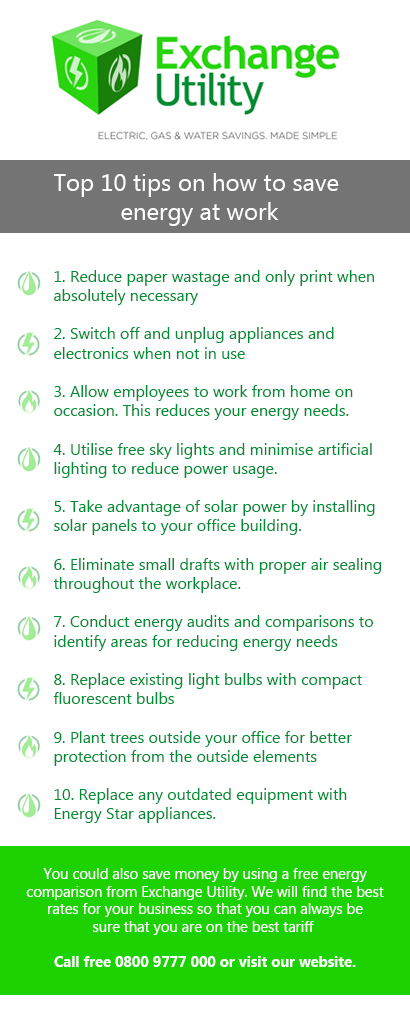
As a business owner, reducing energy consumption is not only good for the environment but also a cost-effective way to increase your company’s profitability. The key to saving energy lies in cutting down on waste and optimizing every stage of the production process.
The Importance of Energy Management
In today’s competitive market, businesses need to stay ahead of the curve by embracing sustainable practices that minimize environmental impact while maximizing profits. An Energy Manager is a professional responsible for overseeing the company’s energy consumption and identifying areas for improvement. By hiring an expert to assess your business’s energy usage, you can create a tailored plan to reduce waste and increase efficiency.
Key Principles for Energy Conservation
If your business operates primarily in agriculture or relies heavily on water resources, it’s essential to adopt a comprehensive approach to water management. Implementing efficient HVAC systems can also yield significant savings – up to 67% reduction in energy expenditure. Investing in high-efficiency lighting can have a substantial impact on your company’s bottom line.
Consider the example of a Livorno-based business that replaced 468 conventional devices with energy-efficient lighting systems, resulting in an annual savings of 68,142 kWh and approximately €13,600 in economic benefits.
Harnessing Renewable Energy Sources
To further reduce energy consumption, businesses can leverage renewable energy sources such as solar panels or wind turbines. While the upfront costs may seem daunting, the long-term savings and environmental benefits make them a worthwhile investment.
Solar panels, for instance, can generate electricity from sunlight and reduce reliance on non-renewable energy sources. According to the International Renewable Energy Agency (IRENA), solar energy can help businesses save up to 50% on their energy bills.
Software Solutions for Energy Management
Several software solutions have emerged to help businesses optimize their energy usage and improve overall efficiency. PathFinder is one such example, designed to streamline operations by reducing energy consumption by 18% across all departments, including human resources, time management, and transportation costs.
Other software tools, such as energy monitoring systems and building automation systems, can also provide valuable insights into energy consumption patterns and help businesses identify areas for improvement.
Real-World Applications of Energy Efficiency
Many companies are already embracing innovative technologies to reduce energy waste and increase productivity. By adopting sustainable practices, businesses can reap significant rewards – from cost savings to improved brand reputation.
For instance, the city of New York has implemented a comprehensive energy efficiency program that aims to reduce greenhouse gas emissions by 80% by 2050. The program includes initiatives such as retrofitting buildings with energy-efficient lighting and heating systems, promoting electric vehicle adoption, and providing incentives for businesses to adopt sustainable practices.
Benefits of Energy Efficiency
By reducing energy consumption, businesses can enjoy a range of benefits, including:
- Cost savings: By reducing energy bills, businesses can allocate resources to other areas of the company.
- Environmental benefits: By reducing greenhouse gas emissions, businesses can help mitigate climate change and protect the environment.
- Improved brand reputation: Businesses that adopt sustainable practices are often seen as responsible and environmentally conscious, which can enhance their brand reputation.
- Increased productivity: Energy-efficient systems can improve building efficiency, reduce downtime, and increase productivity.
Challenges to Implementing Energy Efficiency
While there are many benefits to implementing energy efficiency, there are also several challenges to consider:
- High upfront costs: Implementing energy-efficient systems can require significant investment in new equipment and infrastructure.
- Complexity of implementation: Large-scale energy efficiency projects can be complex and require specialized expertise.
- Employee education and training: Educating employees on the importance of energy efficiency and how to implement it can be time-consuming and challenging.
Case Study: Walmart’s Energy Efficiency Efforts
Walmart, one of the world’s largest retailers, has implemented a comprehensive energy efficiency program that aims to reduce greenhouse gas emissions by 50% by 2025. The program includes initiatives such as:
- Retrofitting stores with energy-efficient lighting systems
- Implementing energy-efficient HVAC systems
- Promoting electric vehicle adoption
- Providing incentives for employees to adopt sustainable practices
FAQs
-
What is an Energy Manager, and how do I find one?
An Energy Manager is a professional responsible for overseeing energy consumption in businesses. To find an expert, consider hiring a consultant or seeking advice from industry associations. -
How can I reduce water consumption in my business?
Implementing efficient irrigation systems, using drought-resistant crops, and adopting water-saving practices can help minimize water waste in agricultural industries. -
What is the most cost-effective way to reduce energy consumption?
Energy-efficient lighting is often one of the most cost-effective solutions, as it can result in significant savings across various departments. -
Can renewable energy sources replace traditional energy sources entirely?
While solar panels and wind turbines offer significant benefits, they may not be feasible for all businesses due to geographical constraints or high upfront costs. A combination of both traditional and renewable energy sources is often the most practical approach. -
How can I measure the effectiveness of my energy-saving initiatives?
Regular monitoring and analysis of energy consumption patterns will help you assess the success of your efforts and identify areas for further improvement. -
What role do software solutions play in optimizing energy efficiency?
Software tools like PathFinder can streamline operations, reduce waste, and provide valuable insights into energy consumption patterns. -
How much time should I invest in developing an energy-saving plan?
The amount of time required will depend on the complexity of your business and the extent of your energy-saving goals. Working closely with an Energy Manager or consultant can help you determine a realistic timeline. -
Can any industry adopt energy-efficient practices without significant costs?
While some industries, such as agriculture, may face higher upfront costs for implementing energy-efficient systems, others, like retail or office spaces, may be able to start small and scale up their efforts over time.
By understanding the importance of energy management and adopting effective strategies, businesses can not only reduce their environmental footprint but also increase profitability in the long run.


