
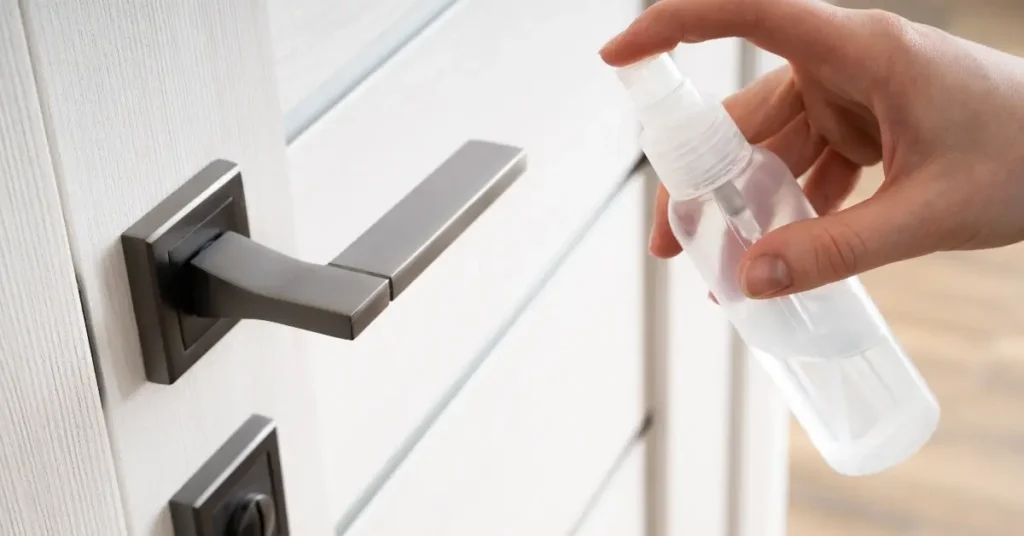
As we navigate these unprecedented times, maintaining a high level of hygiene has become a top priority. With numerous hand-touching surfaces in our daily lives, it’s essential to understand what really matters when it comes to cleaning and disinfecting. In this article, we’ll delve into the importance of sanitizing door and window handles, explore the differences between cleaning and sanitizing, and provide step-by-step instructions on how to do it effectively.
Why Sanitize Door Handles?
Every time you leave your home and return, you bring with you a multitude of germs and grime that can easily transfer to your hands. This is especially true if you live alone or share your space with others. Door handles are often considered the “testimony” between our homes and the outside world, making them a prime target for sanitizing.
The Difference Between Cleaning and Sanitizing
Many of us have been cleaning door handles without realizing that we’re not doing enough to truly disinfect. The distinction between cleaning and sanitizing lies in the intensity and purpose of the process. Cleaning involves removing dirt and grime, while sanitizing aims to eliminate germs and bacteria.
When it comes to door handles, sanitizing is crucial to maintaining a healthy environment. By following the right techniques and using the right materials, you can create a barrier against unwanted microorganisms.
How to Sanitize Metal Door Handles
Metal door handles can be more delicate than other materials, but with the right approach, they can be effectively sanitized. For this purpose, we recommend using a natural method that won’t damage the material.
- Start by applying a small amount of dish soap directly to the handle.
- Use a soft cloth or paper towel to gently scrub away any dirt or grime.
- Rinse the handle with warm water and dry it thoroughly with a clean cloth.
For tougher stains, mix equal parts white vinegar and water in a spray bottle. Spray the solution onto the stain and let it sit for a few minutes before wiping it clean with a soft cloth.
Tips for Sanitizing Metal Door Handles
- Regularly cleaning metal door handles can help prevent the buildup of grime and dirt.
- Use a gentle cleanser specifically designed for metal surfaces to avoid damaging the handle.
- Avoid using abrasive materials or scrubbers that can scratch the surface.
- For stubborn stains, mix baking soda and water to form a paste. Apply the paste to the stain and let it sit for about an hour before rinsing clean with warm water.
How to Sanitize Wooden Door Handles
Wooden door handles require extra care due to their absorbent nature. To sanitize them effectively without damaging the material, follow these steps:
- Cut small pieces of lemon peel into a bowl of warm water.
- Soak the handle in the solution for about 10-15 minutes.
- Use a soft cloth to gently wipe away dirt and grime.
Alternatively, you can mix equal parts white vinegar and water in a spray bottle and spray it onto the handle. Let it sit for a few minutes before wiping clean with a soft cloth.
Tips for Sanitizing Wooden Door Handles
- Regularly cleaning wooden door handles can help prevent the buildup of dirt and grime.
- Use a gentle cleanser specifically designed for wood surfaces to avoid damaging the handle.
- Avoid using abrasive materials or scrubbers that can scratch the surface.
- For stubborn stains, mix equal parts olive oil and lemon juice in a bowl. Apply the solution to the stain and let it sit for about an hour before wiping clean with a soft cloth.
How to Sanitize Plastic Door Handles
Plastic door handles are generally easy to clean and sanitize. For this purpose, we recommend using a gentle approach that won’t damage the material:
- Mix equal parts dish soap and water in a bowl.
- Dip a soft cloth into the solution and gently scrub away any dirt or grime.
- Rinse the handle with warm water and dry it thoroughly with a clean cloth.
For tougher stains, use a gentle cleanser specifically designed for plastic surfaces. Always follow the manufacturer’s instructions and take necessary precautions to avoid damage.
Tips for Sanitizing Plastic Door Handles
- Regularly cleaning plastic door handles can help prevent the buildup of dirt and grime.
- Use a gentle cleanser specifically designed for plastic surfaces to avoid damaging the handle.
- Avoid using abrasive materials or scrubbers that can scratch the surface.
- For stubborn stains, use a soft cloth and warm water to wipe clean the handle.
What Not to Use When Sanitizing Door Handles
While it may be tempting to use harsh chemicals or abrasive materials when sanitizing door handles, this approach can lead to unnecessary damage. Here are some common mistakes to avoid:
- Avoid using metal scrapers, paper towels, or abrasive sponges that can scratch the surface.
- Never use acidic substances like bleach or ammonia, as they can damage certain materials or discolor the handle.
- Be cautious when using strong chemicals, such as acetone or nail polish remover, which can dissolve the material.
Maintaining Door Handles
To keep your door handles clean and sanitized, consider implementing a regular cleaning routine. Here are some tips to help you maintain your door handles:
- Clean your door handles regularly to prevent the buildup of dirt and grime.
- Use a gentle cleanser specifically designed for each type of material (metal, wood, plastic).
- Avoid using abrasive materials or scrubbers that can scratch the surface.
- Regularly disinfect your door handles to create a barrier against unwanted microorganisms.
Conclusion
In conclusion, sanitizing door and window handles is an essential part of maintaining a healthy environment. By following the right techniques and using the right materials, you can effectively sanitize your door handles and prevent the spread of germs and bacteria. Remember to avoid using harsh chemicals or abrasive materials that can damage your door handles, and instead opt for gentle cleansers and disinfectants specifically designed for each type of material.


