
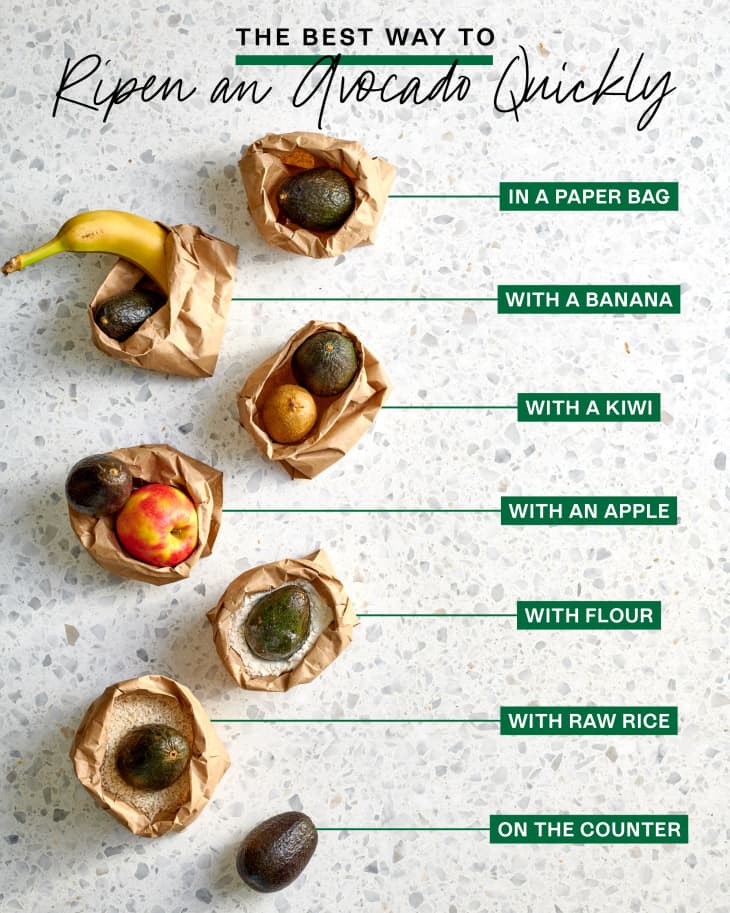
Avocados are a popular fruit loved for their unique taste and rich nutritional profile. One of the key characteristics that set avocados apart from other fruits is their ability to ripen quickly once removed from the tree. In this article, we will explore the process of ripening avocados, discuss the importance of ethylene production, and provide practical tips on how to accelerate the ripening process.
Understanding Avocados and Their Maturity
Avocados are a type of fruit known as “climacteric,” meaning they continue to produce ethylene gas once they are removed from their parent tree. Ethylene is a natural hormone that triggers various physiological responses in plants, including ripening and senescence (aging). The production of ethylene is crucial for avocado maturation, as it stimulates the breakdown of starches into sugars, leading to a sweeter flavor and softer texture.
Recognizing Ripe Avocados
So, how can you determine if an avocado is ripe? One way to check is by gently squeezing the fruit. A ripe avocado should yield slightly to pressure but still feel firm enough to hold its shape. Avoid squeezing too hard, as this may damage the delicate skin of the avocado.
Tips for Accelerating Avocado Ripening
While waiting for your avocados to ripen naturally, you can try using a few tricks to speed up the process:
Using Ethylene-Producing Fruits
One effective way to ripen an avocado quickly is by placing it in a bag with a ripe banana or apple. The ethylene gas produced by these fruits will stimulate the production of ethylene in the avocado, accelerating its ripening process.
For example, if you have two bananas and one unripe avocado, place them together in a paper bag and seal it. Check on the avocado every few days to see if it has ripened. Repeat this process with other ethylene-producing fruits like apples or pears.
Creating a Mini-Avocado Greenhouse
To replicate the natural environment where avocados produce ethylene, you can create a mini-greenhouse using a paper bag or a small plastic container. Place an unripe avocado inside and cover it with another paper bag or a cloth to maintain high humidity levels. The enclosed environment will trap ethylene gas produced by the avocado itself, promoting ripening.
Here’s how to set up your mini-greenhouse:
- Choose a paper bag or a small plastic container.
- Place an unripe avocado inside the bag or container.
- Cover the top of the bag or container with another paper bag or a cloth to maintain humidity levels.
- Seal the edges of the bag or container with tape to prevent air from escaping.
- Check on the avocado every few days to see if it has ripened.
What Not to Use
When creating your makeshift greenhouse or storing avocados, be sure to avoid using plastic bags or containers. These materials can prevent air circulation and oxygen flow, causing the avocado to rot or become overripe.
Additional Tips for Perfectly Ripened Avocados
To ensure that your avocados ripen evenly and at the right time, follow these additional tips:
- Store avocados away from direct sunlight and heat sources.
- Keep them at room temperature (around 60°F/15°C) to promote ethylene production.
- Avoid washing or exposing avocados to high humidity levels, as this can lead to spoilage.
Storage Tips for Avocado Varieties
Different avocado varieties have different ripening patterns. Here are some storage tips for popular varieties:
- Hass Avocados: Store at room temperature (60°F/15°C) and avoid direct sunlight.
- Fuerte Avocados: Store in the refrigerator to prolong shelf life.
- Bacon Avocados: Store at room temperature (60°F/15°C) and check on them regularly for ripeness.
Common Mistakes to Avoid
When trying to ripen avocados, there are a few common mistakes to avoid:
- Not checking the avocado regularly, leading to uneven ripening or over-ripening.
- Using plastic bags or containers, which can prevent air circulation and oxygen flow.
- Exposing avocados to high humidity levels or direct sunlight.
The Science Behind Avocado Ripening
Avocados are a type of fruit known as “climacteric,” meaning they continue to produce ethylene gas once they are removed from their parent tree. Ethylene is a natural hormone that triggers various physiological responses in plants, including ripening and senescence (aging). The production of ethylene is crucial for avocado maturation, as it stimulates the breakdown of starches into sugars, leading to a sweeter flavor and softer texture.
Ethylene Production
Ethylene gas is produced by the avocado tree through a process called respiration. Respiration involves the breakdown of organic matter, which produces carbon dioxide and water vapor. The remaining ethylene gas then triggers various physiological responses in the plant, including ripening and senescence.
Ripening Stages
Avocados go through several stages during the ripening process:
- Green Stage: Avocados are typically green when they are harvested.
- Yellow Stage: As avocados ripen, they will turn from green to yellow.
- Purple Stage: Some avocado varieties may turn purple as they ripen.
- Maturity Stage: The final stage of ripening occurs when the avocado reaches full maturity and is ready to be eaten.
Conclusion
Ripening avocados quickly is a simple process that requires minimal equipment. By understanding the science behind avocado ripening and using natural methods like ethylene-producing fruits or creating a mini-greenhouse, you can enjoy perfectly ripe avocados at your convenience. With these tips, you’ll be well on your way to becoming an expert in avocado care!
Frequently Asked Questions
- What is the best way to store avocados to prevent spoilage?
Storing avocados at room temperature, away from direct sunlight and heat sources, can help prolong their shelf life. - How long does it take for an avocado to ripen naturally?
The time it takes for an avocado to ripen naturally varies depending on factors like storage conditions and the specific variety of avocado. Generally, avocados may take 3-7 days to ripen at room temperature. - Can I speed up the ripening process by placing an avocado in a plastic bag?
No, it’s not recommended to use plastic bags or containers for storing avocados, as they can prevent air circulation and oxygen flow, leading to spoilage. - How do I know if my avocado is ripe?
To check if your avocado is ripe, gently squeeze it. A ripe avocado should yield slightly to pressure but still feel firm enough to hold its shape. - Can I ripen an unripe avocado by placing it in a paper bag with an apple or banana?
Yes, this method can work! The ethylene gas produced by the apple or banana will stimulate the production of ethylene in the avocado, promoting ripening. - What is the best way to handle avocados to prevent bruising and damage?
To minimize bruising and damage, gently handle avocados, avoiding sudden movements or squeezing them too hard. Store avocados away from direct sunlight and heat sources to promote even ripening. - Can I grow my own avocado tree from seed?
Yes, you can try growing an avocado tree from seed, but it may take several years for the tree to produce fruit that resembles commercial varieties.
Advanced Ripening Techniques
For those looking to accelerate the ripening process or achieve perfectly ripe avocados at all times, here are some advanced techniques:
- Using a Refrigerator: Store avocados in the refrigerator to slow down the ripening process. This method is ideal for keeping avocados fresh for longer periods.
- Freezing Avocados: Freeze avocados when they’re ripe and then thaw them as needed. Frozen avocados are perfect for guacamole, smoothies, or baked goods.
- Dehydrating Avocados: Dehydrate avocados to preserve their nutritional value and create a healthy snack.
By mastering these advanced ripening techniques, you’ll be able to enjoy perfectly ripe avocados at all times, no matter the season.


