
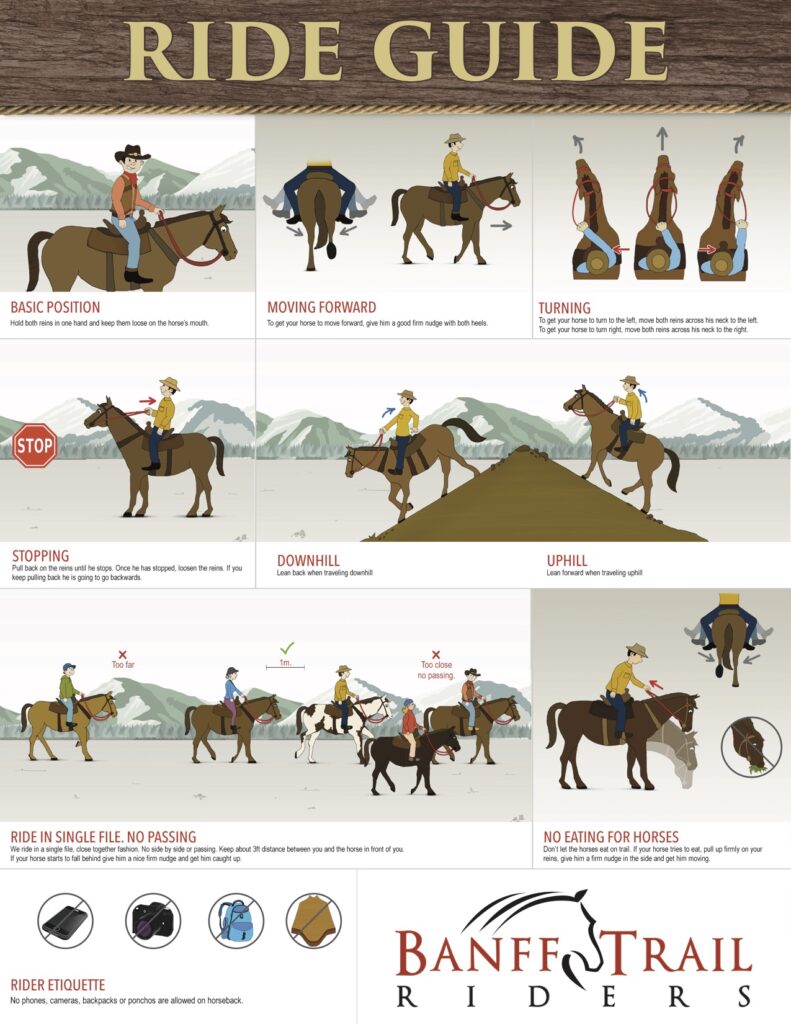
Riding a horse can be an exhilarating experience, but it requires patience, skill, and attention to detail. In this article, we will cover the basics of horse riding, from preparing for your ride to navigating different gaits.
Introduction
Horse riding is a popular recreational activity that offers a unique blend of physical exercise, mental stimulation, and connection with nature. Whether you’re a seasoned equestrian or a beginner, understanding the fundamentals of horse riding is essential to enjoying this exciting sport. In this article, we will explore the basics of horse riding, including preparing for your ride, mounting the horse, and navigating different gaits.
Pre-Ride Checklist
Before you mount your horse, make sure to:
- Inspect the area: Check the terrain for any obstacles or hazards that could affect your ride. This includes checking for loose rocks, potholes, and low-hanging branches.
- Check the weather: Avoid riding in extreme weather conditions such as heavy rain, intense sunlight, or high winds. These conditions can make it difficult to control the horse and increase the risk of injury.
- Wear proper gear: Wear a helmet, gloves, and sturdy boots to protect yourself from injury. A helmet is essential for protecting your head, while gloves can help prevent blisters and provide grip on the reins.
Mounting the Horse
- Approach the horse calmly: Move slowly and deliberately towards the horse to avoid startling it. Speak in a soft voice to reassure the horse that you mean no harm.
- Use the mounting block: If available, use the mounting block to help you mount the horse safely. This can be especially helpful for beginners or horses with mobility issues.
- Step into the stirrups: Carefully step into the stirrups with your feet in the correct position. Your feet should be pointed slightly outward and your heels should be down.
- Grab the reins: Hold the reins gently but firmly, with your hands positioned correctly. The reins should be held at a 45-degree angle to the horse’s head.
Riding Techniques
Stabilizing the Horse
To stabilize the horse, you can:
- Use your body weight: Shift your weight slightly forward to balance the horse. This will help you maintain control and prevent the horse from becoming unbalanced.
- Engage your core muscles: Tighten your abdominal muscles to help maintain balance. This will also help you stay focused and aware of your surroundings.
- Keep your heels down: Avoid lifting your heels off the stirrups, as this can cause the horse to become unbalanced.
Communicating with the Horse
To communicate effectively with the horse, you can:
- Use gentle aids: Use gentle pressure on the reins and legs to guide the horse. Avoid using jerky or abrupt movements, as these can startle the horse.
- Vary your pace: Vary your pace to communicate different commands to the horse. For example, a faster pace can indicate a more energetic ride, while a slower pace can indicate a more relaxed ride.
- Be aware of body language: Pay attention to the horse’s body language to ensure it is comfortable and responding correctly. Look for signs of relaxation, such as a lowered head or a softening of the muscles.
To navigate safely, you can:
- Use clear signals: Use clear signals such as reins, legs, or voice commands to guide the horse. Avoid using ambiguous signals that could cause confusion or uncertainty.
- Maintain a steady pace: Maintain a steady pace to avoid startling the horse or losing control. This will also help you stay focused and aware of your surroundings.
- Stay alert: Stay alert and aware of your surroundings to avoid obstacles. Keep an eye out for potential hazards such as rocks, potholes, and loose animals.
Common Riding Terms
Bridle
The bridle is the equipment used to communicate with the horse. It consists of:
- Rings: Rings that fit around the horse’s mouth.
- Bit: A metal device placed in the horse’s mouth to guide its jaw and lips.
- Reins: Leathers attached to the bit that allow you to control the horse.
Gaits
A gait refers to a specific pattern of movement. The main gaits are:
- Walk: A slow, four-beat gait.
- Trot: A two-beat gait, often used for longer distances.
- Canter: A three-beat gait, often used for more energetic rides.
- Gallop: A fast, four-beat gait.
Commands
Common commands include:
- Walk on: To begin walking the horse.
- Trot on: To start trotting the horse.
- Canter on: To begin cantering the horse.
- Whoa: To stop the horse.
Tips and Tricks
Practice makes perfect
Practice riding regularly to improve your skills and build confidence. This will help you become more comfortable with the horse’s movements and better equipped to handle different situations.
Be patient
Horses can be unpredictable, so it’s essential to remain calm and patient during rides. Avoid getting frustrated or angry if the horse doesn’t respond as expected – instead, take a deep breath and try again.
Ask for help
If you’re unsure about anything, don’t hesitate to ask for help from a qualified instructor or experienced rider. They can provide valuable guidance and support to help you improve your skills and become a more confident equestrian.
Conclusion
Riding a horse is an exciting adventure that requires skill, patience, and attention to detail. By following these guidelines and practicing regularly, you can become a confident and competent equestrian. Whether you’re a beginner or an experienced rider, always remember to stay calm, patient, and focused on your horse.
Frequently Asked Questions
Q: What is the best way to approach a horse?
A: Approach a horse calmly and slowly, speaking in a soft voice to avoid startling it.
Q: How do I communicate with my horse?
A: Use gentle aids such as reins and legs, and be aware of your horse’s body language to ensure it is comfortable and responding correctly.
Q: What are the most common gaits used for riding?
A: The main gaits are walk, trot, canter, and gallop. Each gait has its own unique characteristics and uses.
Q: How do I stop my horse safely?
A: Use clear signals such as reins, legs, or voice commands to guide the horse, and avoid using sudden movements that could startle it.
Q: What is the most important thing to remember when riding a horse?
A: Always prioritize your safety and the well-being of your horse by staying calm, patient, and focused on your ride.


