
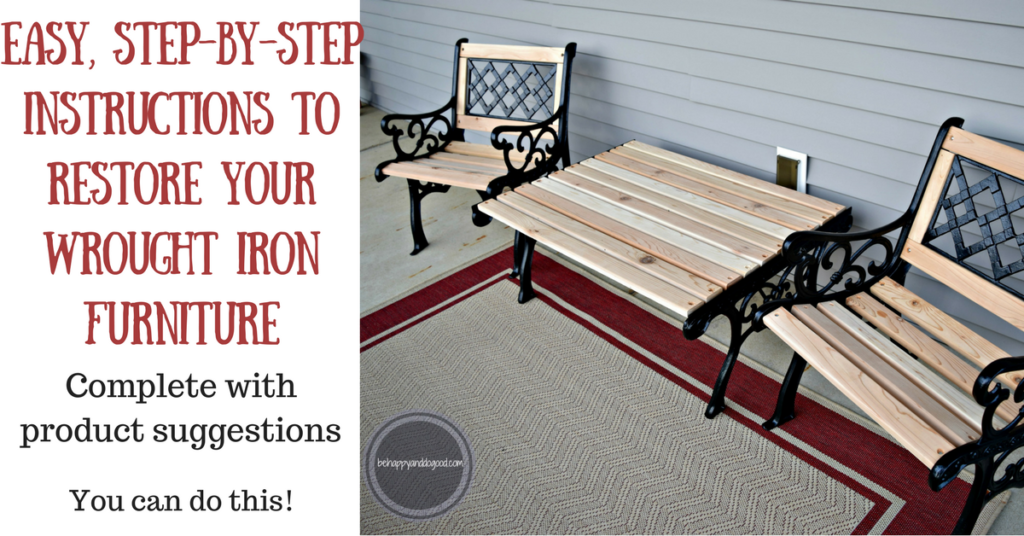
Metal furniture has been a staple in home decor for centuries, providing a durable and stylish way to furnish rooms. However, over time, metal furniture can become worn out, rusty, and faded, losing its original charm. Restoring metal furniture is not only a cost-effective solution but also an opportunity to preserve the beauty of your antique pieces or revitalize modern furniture that has seen better days.
In this comprehensive guide, we will explore the challenges of restoring metal furniture, identify common problems such as rust and corrosion, and provide step-by-step instructions on how to restore metal furniture without rust. We’ll also cover essential techniques for identifying rusty metal components, applying protective coatings, and choosing the right materials for the job.
Understanding the Challenges of Restoring Metal Furniture
Restoring metal furniture is not a task for the faint of heart. Metals are prone to rusting and corrosion, which can compromise their structural integrity. When restoring metal furniture, it’s essential to address these issues before proceeding with the restorative process. Rust and corrosion can lead to flaking paint, weakening of the metal structure, and potentially even collapse.
The Importance of Addressing Rust and Corrosion
All furniture has metal components, such as handles, hinges, and other hardware. Moreover, there are entire pieces of furniture made entirely out of iron or metal. Therefore, it is crucial to address the issue of rust and corrosion when restoring metal furniture. Ignoring these problems can result in costly repairs down the line.
Identifying and Treating Rusty Metal Furniture
If the metal components of your furniture have become rusty, you’ll need to use a compound that renders the rust inert and re-verniclesable. Before applying the new coat of paint, remove the old one using a ferro-decapant or other appropriate method.
Rust tends to form primarily on the metal parts of antique furniture, especially when exposed to sunlight or near radiators. The heat and temperature fluctuations can cause minor scratches. In the layer of paint, tiny creases develop that allow oxygen to seep in and rustify the iron, leading to the appearance of rust.
In cases where rust has formed, you’ll need to remove every layer of paint and then apply a generous amount of gel or other protective substance along with a new coat of paint. The article “Eliminating Rust from Iron” provides information on possible converters to use and finishing techniques to perform.
Restoring Metal Furniture Without Rust
If the metal furniture doesn’t have rust, you’ll need to remove the old paint using a ferro-decapant, which can dissolve the varnish without damaging the underlying patina. Apply the decapant with a small brush in thin layers. Alternatively, if the surface has various slopes, you can use an immersion decapant (immerse the object in the decapant solution). For large surfaces, it’s also possible to use a spray container.
Applying Decapants
Apply pure or diluted decapant water
Let it act for up to an hour (the duration of action varies depending on the thickness of the varnish; test it first by leaving it on for a few minutes)
Remove the varnish using a cloth
Apply a protective coating
Choosing the Right Materials and Techniques
When restoring metal furniture, you’ll need to choose the right materials and techniques. Here are some essential considerations:
- Protective Coatings: Select a protective coating that matches the original finish and follows the manufacturer’s instructions.
- Decapants: Use ferro-decapants or other appropriate methods to remove old paint without damaging the underlying surface.
- Gels and Sealers: Apply gel or sealer specifically designed for metal surfaces to protect against rust and corrosion.
- Finishing Techniques: Use finishing techniques such as buffing, polishing, or sanding to achieve a smooth finish.
Restoring Metal Furniture Requires Patience and Care
Restoring metal furniture requires patience, skill, and attention to detail. By addressing rust and corrosion and using the right techniques and materials, you can breathe new life into your old metal furniture pieces. Don’t be afraid to experiment and try different methods until you achieve the desired results.
Conclusion: Restoring Metal Furniture Requires Patience and Care
Restoring metal furniture is a rewarding experience that requires patience, skill, and attention to detail. By addressing rust and corrosion and using the right techniques and materials, you can restore your metal furniture pieces to their former glory. With practice and experience, you’ll become more confident in your ability to restore metal furniture, and your pieces will look better than ever.
Frequently Asked Questions
Here are some common questions related to restoring metal furniture:
- Q: How do I prevent rust from forming on my metal furniture?
A: Use a protective coating, store the furniture in a dry place, and avoid exposing it to direct sunlight or moisture. - Q: What is decapant and how do I use it?
A: Decapant is a solution used to remove old paint without damaging the underlying surface. Apply it with a small brush or immersion tank, following the manufacturer’s instructions. - Q: Can I restore metal furniture without removing the old paint?
A: Not always possible. If the paint is deeply embedded, removal may be necessary to ensure a proper coating. - Q: How do I choose the right protective coating for my metal furniture?
A: Select a coating that matches the original finish and follows the manufacturer’s instructions. - Q: Can I use any type of gel or coating on my metal furniture?
A: No, only specific products suitable for metal surfaces should be used to avoid damaging the finish or compromising safety. - Q: How long does it take to restore a piece of metal furniture?
A: The time required varies depending on the extent of the work and individual skill levels. - Q: What are some common mistakes people make when restoring metal furniture?
A: Failure to properly prepare the surface, not using suitable materials or techniques, and neglecting to follow safety precautions can lead to complications. - Q: Can I restore an entire piece of furniture made entirely out of metal?
A: Yes, but it requires special care and attention to detail, especially when working with intricate designs or heavy-duty metal parts.
By following this comprehensive guide, you’ll be well-equipped to tackle the challenges of restoring metal furniture and breathe new life into your old pieces. With patience, skill, and attention to detail, you can restore your metal furniture to its former glory and enjoy years of use and enjoyment.


