
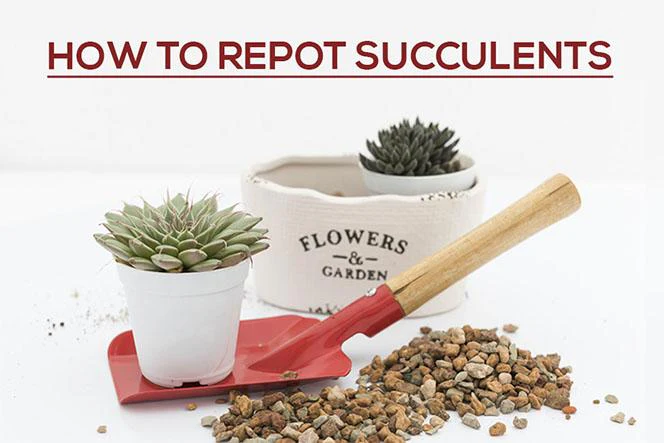
Transplanting cacti and succulents can be a daunting task, especially when dealing with plants that have sharp spines. In this article, we’ll explore the best practices for transplanting these plants, from choosing the right tools to selecting the perfect pot.
Why Transplant Cacti and Succulents?
Transplanting cacti and succulents is essential for their health and well-being. Over time, the roots of these plants can become constricted, limiting their ability to absorb water and nutrients. By transplanting, you’ll give your plant a fresh start and help it thrive.
One of the main reasons why cacti and succulents need to be transplanted is because they tend to outgrow their containers quickly. As they grow, they require more room to spread out and develop their roots. If left in the same pot for too long, the plant may become waterlogged, leading to root rot and other problems.
Transplanting cacti and succulents also allows you to assess their overall health and make any necessary adjustments. By transplanting your plants, you can check for pests or diseases that may have developed in the soil and address them before they spread.
When to Transplant Cacti and Succulents?
The best time to transplant cacti and succulents depends on the type of plant and its growth stage. Younger plants typically need to be transplanted more frequently than older ones. Here are some general guidelines:
- Younger plants (less than 1 year old): Transplant every 6-12 months
- Older plants (more than 2 years old): Transplant every 2-4 years
In general, it’s best to transplant cacti and succulents during the spring or early summer when they are actively growing. This allows them to establish themselves in their new pot before the heat of the summer.
Avoiding the Risks of Transplantation
Transplanting cacti and succulents can be a challenge, especially when dealing with sharp spines. To minimize the risks:
- Wear protective gloves: When handling your plant, make sure you’re wearing protective gloves to prevent puncture wounds.
- Use tongs or tweezers: Use a pair of tongs or tweezers to handle the plant and avoid touching its spines directly.
- Choose a pot with good drainage: Select a pot that allows for good drainage and prevents waterlogged conditions.
Choosing the Right Pot
Selecting the right pot is crucial for the health and well-being of your cacti and succulents. Here are some tips:
- Material: Look for pots made from breathable materials like terracotta or ceramic.
- Size: Select a pot that allows for good drainage, with at least 2-3 inches of soil at the bottom.
- Shape: Choose a pot that complements the shape of your plant and provides enough space for its roots to grow.
When choosing a pot, make sure it’s clean and free from any debris or residue. If you’re using a pot that has been used before, wash it thoroughly with soap and water before adding your new soil and plant.
Preparing the Soil
The right soil is essential for healthy growth. Here are some tips:
- Drainage: Look for soils that drain well and prevent waterlogged conditions.
- Purity: Select a soil that is free from contaminants and chemicals.
- Nutrients: Choose a soil that provides balanced nutrients, such as nitrogen, phosphorus, and potassium.
When preparing the soil, make sure it’s moist but not waterlogged. If the soil is too dry, it may cause stress to your plant during transplanting. On the other hand, if it’s too wet, it can lead to root rot and other problems.
Transplanting Cacti and Succulents: A Step-by-Step Guide
Here’s a step-by-step guide to transplanting cacti and succulents:
- Remove the plant from its pot: Carefully dig around the plant, taking care not to damage the roots.
- Examine the roots: Inspect the roots for any signs of disease or pests.
- Trim the roots (optional): If the roots are circling or constricted, trim them gently with a pair of scissors.
- Add fresh soil: Fill the new pot with fresh soil, leaving enough space for the plant’s growth.
- Plant the succulent: Gently place the plant in its new pot, making sure the soil level is the same as it was in the original pot.
Common Mistakes to Avoid
Here are some common mistakes to avoid when transplanting cacti and succulents:
- Over-handling: Handle the plant gently to prevent damage to the roots.
- Under-watering: Make sure the soil is moist but not waterlogged after transplanting.
- Poor drainage: Choose a pot with good drainage holes to prevent waterlogged conditions.
Tips for Successful Transplantation
Here are some additional tips for successful transplantation:
- Transplant during the right season: Transplant your cacti and succulents during the spring or early summer when they are actively growing.
- Handle the plant carefully: Wear protective gloves and use a pair of tongs or tweezers to handle the plant and avoid touching its spines directly.
- Provide enough light: Make sure your plant receives enough light for its specific needs, whether it’s direct sunlight or indirect filtered light.
Conclusion
Transplanting cacti and succulents can be a daunting task, but with the right tools and techniques, it’s easier than you think. By following these tips, you’ll be well on your way to becoming a master of transplanting these amazing plants.
Frequently Asked Questions
Here are some frequently asked questions about transplanting cacti and succulents:
- Q: How often should I transplant my cactus or succulent?
A: The frequency of transplants depends on the type of plant and its growth stage. - Q: What is the best way to handle sharp-spined plants?
A: Wear protective gloves and use a pair of tongs or tweezers to handle the plant. - Q: How do I prevent over-watering after transplanting?
A: Make sure the soil is moist but not waterlogged, and avoid getting water on the leaves. - Q: Can I reuse potting mix for all my plants?
A: No, choose a potting mix that is specifically designed for cacti and succulents. - Q: How do I prevent root rot after transplanting?
A: Make sure the soil drains well and avoid getting water on the roots.
Additional Resources
If you have any further questions or need additional guidance, here are some resources to check out:
- National Cactus and Succulent Society (NCSS)
- The Spruce – Cacti and Succulents
- Urban Jungle Bloggers
By following these tips and guidelines, you’ll be well on your way to becoming a master of transplanting cacti and succulents. Happy planting!


