
As a gardener, you know that transplanting plants is an essential process for healthy growth. But how do you know when it’s time to transplant your plant? The answer lies in recognizing the signs of root bound and taking action before it’s too late.
Why Transplant Plants?
Transplanting plants allows them to grow into a larger container, giving their roots room to expand and absorb nutrients more efficiently. But if done incorrectly, it can cause stress to the plant, leading to disease or even death. By transplanting your plant at the right time, you’ll be able to provide it with the necessary space to thrive and reach its full potential.
Signs of Root Bound
So, when do you know it’s time to transplant your plant? Look out for these signs:
- The plant’s roots have grown too big for its pot and are starting to grow out of the drainage holes.
- The plant is top-heavy and prone to tipping over.
- The soil has become depleted of nutrients.
Choosing the Right Container
When selecting a new container, make sure it has adequate drainage holes to prevent waterlogged soil. A container with a central hole and smaller side holes will help prevent root rot and ensure healthy growth. Consider the size of your plant and choose a container that is only slightly larger than its current pot.
Tips for Successful Transplanting
Before transplanting your plant, follow these tips:
- Handle the roots gently to avoid damaging them.
- Use a well-draining potting mix to prevent waterlogging.
- Water the plant thoroughly after transplanting to settle the soil.
The Transplanting Process
Here’s a step-by-step guide on how to transplant plants:
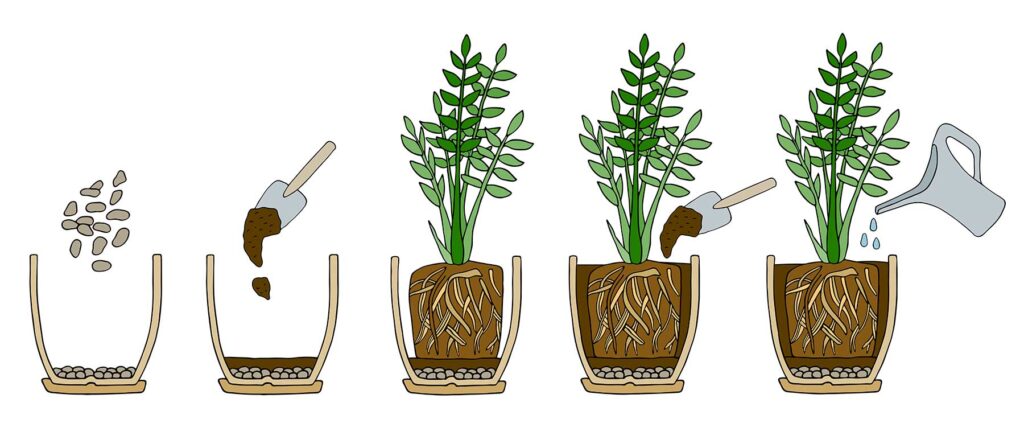
- Prepare the Container: Fill the bottom of the new container with small rocks or pebbles to improve drainage.
- Add Soil and Compost: Fill the container about 1/3 full with potting mix, followed by a layer of compost to provide essential nutrients.
- Remove the Plant: Carefully remove the plant from its old container, taking care not to damage the roots.
- Trim Old Roots: Trim any dead or damaged roots to prevent disease and encourage new growth.
- Place in New Container: Gently place the plant in the new container, making sure the soil level is the same as it was in the old container.
- Add More Soil: Fill in the sides of the container with more potting mix, gently firming it down to prevent settling.
- Water Thoroughly: Water the plant thoroughly after transplanting to settle the soil.
Special Considerations
Some plants require special care when transplanting. For example:
- Primulas and Petunias: These plants need to be transplanted into larger containers to accommodate their rapid growth.
- Succulents and Cacti: These plants can remain in the same container for extended periods, but may benefit from repotting every few years.
- Ferns and Peace Lilies: These plants prefer a more moist environment and may require a slightly acidic potting mix.
Transplanting in Different Seasons
The timing of transplanting also depends on the season. In general:
- Spring: Transplant most plants during the spring, when the weather is cooler and rainfall is more consistent.
- Summer: Avoid transplanting during the hottest months, as this can cause stress to the plant.
- Fall: Transplant cool-season crops like lettuce and spinach in the fall, about 4-6 weeks before the first frost.
Common Mistakes to Avoid
Some common mistakes to avoid when transplanting plants include:
- Using too much fertilizer, which can burn the roots of your plant.
- Over-handling the roots, which can cause damage and stress.
- Watering excessively, which can lead to root rot and other problems.
Conclusion
Transplanting plants is an essential process for healthy growth, but it requires care and attention to detail. By recognizing the signs of root bound and following these step-by-step tips, you’ll be able to give your plants the best chance at thriving in their new home.
Frequently Asked Questions
Q: How often should I transplant my plant?
A: Transplant your plant every 1-3 years, depending on its growth rate and container size.
Q: Can I repot my succulent or cactus in the same container?
A: While it’s possible to leave these plants in the same container for extended periods, they may benefit from repotting every few years.
Q: What type of potting mix should I use for transplanting?
A: Choose a well-draining potting mix that is specifically designed for indoor or outdoor plants.
Q: How do I handle the roots during transplanting?
A: Handle the roots gently, taking care not to damage them. Trim any dead or damaged roots before replanting.
Q: Can I transplant my plant in extreme weather conditions?
A: Avoid transplanting your plant during extreme temperatures, heavy rain, or direct sunlight.
Q: How often should I water my transplanted plant?
A: Water your transplanted plant thoroughly after planting and keep the soil consistently moist but not waterlogged.
Transplanting Tips for Different Plants
Here are some specific tips for transplanting different types of plants:
- Herbs: Transplant herbs like basil and mint in the spring or fall, when the weather is cooler.
- Vegetables: Transplant vegetables like tomatoes and peppers in the spring, after the last frost.
- Flowers: Transplant flowers like roses and lilacs in the early spring or late summer, when they are dormant.
By following these tips and guidelines, you’ll be able to successfully transplant your plants and give them the best chance at thriving.


