
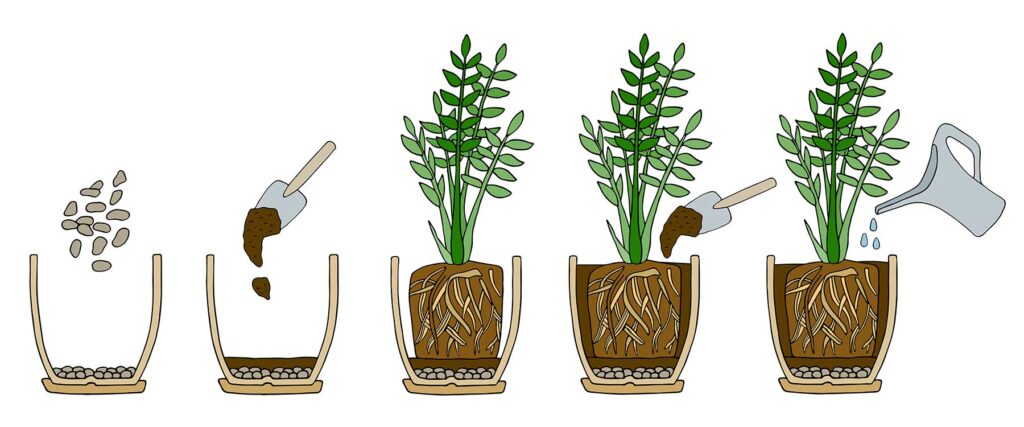
Introduction
Repotting is an essential process for ensuring the well-being of plants. As your plant grows, its root system expands, and its need for nourishment and space increases. Neglecting to repot can lead to serious consequences, including compacted soil, waterlogging, and even death. In this article, we’ll explore the importance of repotting, how to determine if it’s time to repot your plant, and provide a step-by-step guide on how to do it correctly.
The Importance of Repotting
Repotting allows you to create a healthy environment for your plant to thrive. As the root system grows, the soil becomes less effective at providing sustenance, leading to a range of problems. By repotting, you can:
- Provide enough space for the roots to grow and develop
- Renew the soil, removing any debris or pathogens that may be present
- Improve drainage and prevent waterlogging
- Encourage healthy growth and development
What Happens if You Don’t Repot a Plant?
If you neglect to repot your plant, it can lead to serious consequences. The root system becomes compacted, leading to:
- Reduced water absorption
- Increased risk of disease and pests
- Poor air circulation
- Eventually, the roots may rot, killing the plant altogether.
The Benefits of Repotting
Repotting has numerous benefits for your plant’s health and well-being. Some of these include:
- Improved Root Development: When you repot a plant, it allows the root system to grow and develop in a larger container.
- Better Soil Quality: Repotting gives you an opportunity to use fresh soil that is free from debris and pathogens.
- Increased Nutrient Availability: By repotting, you can provide your plant with a nutrient-rich environment that promotes healthy growth and development.
- Enhanced Aesthetic Appeal: Repotting allows you to create beautiful floral compositions using multiple plants in a single large container.
Choosing the Right Container
When selecting a new container for your plant, consider the following factors:
- Size: Choose a container that is slightly larger than the previous one. A good rule of thumb is to increase the size by 1-2 inches (2.5-5 cm) in both diameter and depth.
- Material: Select a material that allows for good drainage, such as terracotta or ceramic pots.
- Drainage Holes: Ensure that the container has adequate drainage holes to prevent waterlogging.
Repotting Large Plants
To repot large plants, it’s recommended to have two people help. Cover the plant’s foliage with plastic wrap to make movement easier. Follow the instructions in the “How to Repot a Plant” section.
If the plant is very large and difficult to remove from its pot, consider breaking the pot. This can be done for both plastic and terracotta pots.
When the container and plant are extremely large, repotting is not necessary but rather replacing the soil. Gently remove the top layers of soil, taking care to avoid damaging any roots, and replace them with fresh soil.
Tips for Repotting
Here are some additional tips to keep in mind when repotting your plant:
- Water Carefully: Water your plant sparingly before repotting to prevent waterlogging.
- Handle with Care: Handle the plant’s roots gently and carefully to avoid damaging them.
- Provide Support: Provide support for the plant if necessary, such as a stake or trellis.
Repotting Small Plants
For small plants, repotting is often easier than for larger ones. However, it’s still essential to follow some basic guidelines:
- Use a Well-Draining Potting Mix: Select a potting mix that drains well and provides the necessary nutrients for your plant.
- Choose a Container with Good Drainage: Ensure that the container has adequate drainage holes to prevent waterlogging.
When Should You Repot a Plant?
The best time to repot a plant depends on the species. Generally, it’s recommended to:
- Repot in Spring: When the plant starts showing signs of vegetative growth.
- Consider the Specific Guidelines for Your Plant Species: Research the specific guidelines for your plant species to determine the best time for repotting.
Can You Repot a Plant During Blooming?
Yes, but it’s not recommended. Repotting puts the plant under stress, which can lead to:
- Loss of Leaves and Flowers: The plant may drop its leaves or lose its flowers due to the stress caused by repotting.
- Reduced Growth and Development: Repotting can slow down the plant’s growth and development.
It’s better to repot before the plant enters a state of dormancy or avoid repotting during blooming altogether.
Should I Repot a Sick Plant?
No, don’t repot a sick plant! Address any issues first, such as:
- Pests: Treat any pests that may be infesting your plant.
- Diseases: Treat any diseases that may be affecting your plant.
- Nutrient Deficiencies: Provide the necessary nutrients for your plant to recover.
Repotting can exacerbate existing problems and make the situation worse.
Conclusion
Repotting is an essential process for ensuring the health and well-being of your plants. By following these guidelines, you can create a beautiful floral composition, provide enough space for the roots to grow, and encourage healthy growth and development. Remember to repot in spring when the plant starts showing signs of vegetative growth, and avoid repotting during blooming.
Frequently Asked Questions (FAQs)
Q: How often should I repot my plant?
A: The frequency of repotting depends on the species and size of your plant. As a general rule, repot every 1-3 years to ensure the health and well-being of your plant.
Q: Can I repot a plant in the winter?
A: No, it’s not recommended to repot a plant during the winter months. Repotting can cause stress to the plant, which can lead to reduced growth and development.
Q: How do I know if my plant needs repotting?
A: Observe the drainage hole and check if you can see thick roots. If so, it’s time to repot!
Q: What is the best time to repot a plant?
A: The best time to repot a plant depends on the species. Generally, it’s recommended to repot in spring when the plant starts showing signs of vegetative growth.
Q: Can I repot a sick plant?
A: No, don’t repot a sick plant! Address any issues first, such as pests or diseases.
Q: How do I choose the right container size for my plant?
A: Consider the following guidelines when selecting a new container size:
- For pots with diameters less than 10 cm, increase the size by 1.5 cm
- For pots with diameters between 10 and 25 cm, increase the size by 2.5 cm
- For pots with diameters between 25 and 30 cm, replace the pot with one that’s at least 5 cm larger
- For pots with diameters greater than 30 cm, increase the size by 7 cm


