
As we continue to navigate the complexities of modern life, it’s no surprise that many of us are seeking healthier, more sustainable ways to live. One such approach is adopting a meat-free diet, and for good reason. Not only does it offer numerous health benefits, but it also has a positive impact on the environment.
In this article, we’ll explore the ins and outs of replacing meat in your diet, debunking common misconceptions about vegetarianism and providing actionable tips for making the transition.
Why Replace Meat in Your Diet?
Before we dive into the nitty-gritty of making the switch, let’s address one crucial question: why bother with a meat-free diet in the first place?
There are several compelling reasons to consider abandoning meat from your diet:
- Environmental Impact: Animal agriculture is a significant contributor to greenhouse gas emissions, deforestation, and water pollution. By choosing plant-based options, you’re doing your part to reduce your carbon footprint.
- Health Benefits: A well-planned vegetarian diet can help lower cholesterol levels, reduce the risk of heart disease, and even aid in weight management.
- Economic Benefits: Meat production is a resource-intensive process that requires significant amounts of land, water, and feed. By choosing plant-based options, you’re helping to alleviate pressure on these resources.
How to Replace Meat in Your Diet
Now that we’ve covered the why, let’s get into the how. Replacing meat in your diet can seem daunting, but it doesn’t have to be overwhelming. Here are some simple steps to get you started:
- Start with Small Changes: Begin by substituting one or two meals a day with plant-based options. Experiment with different cuisines and recipes until you find what works best for you.
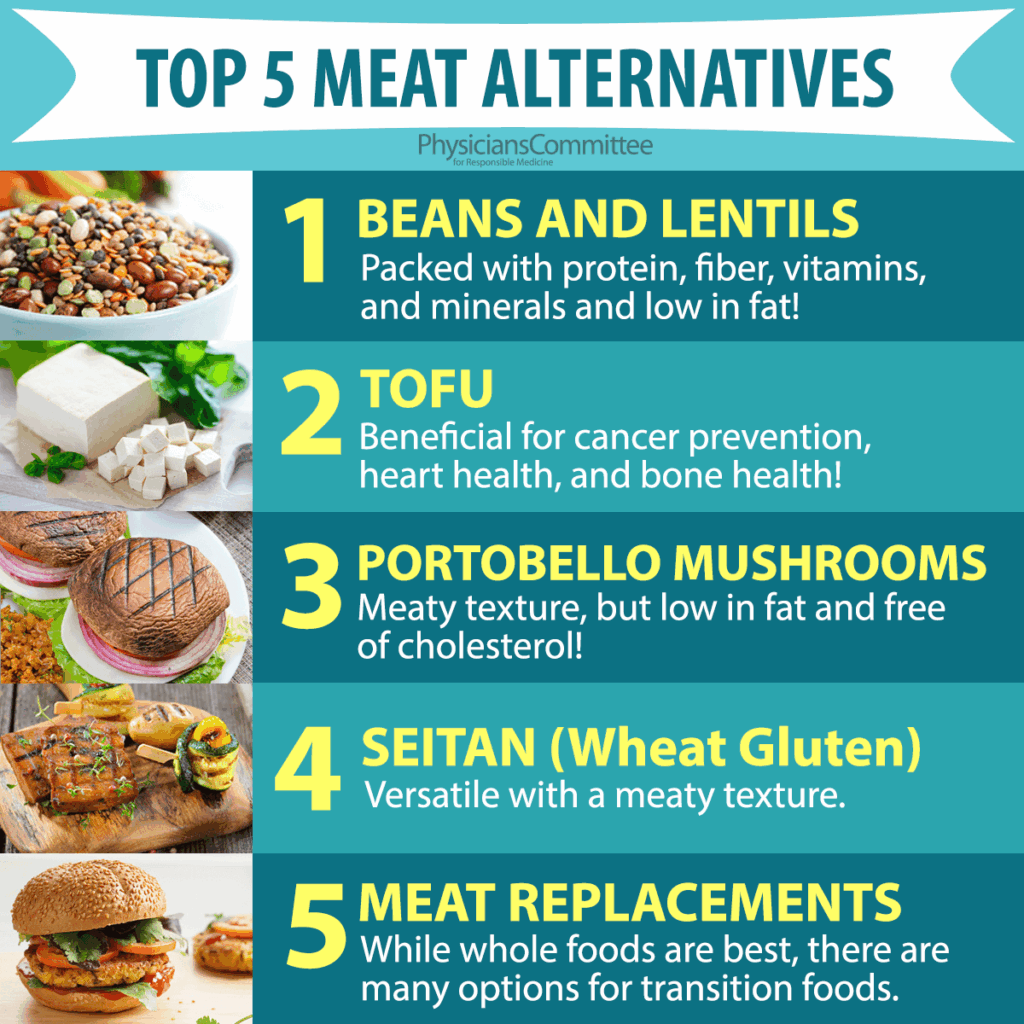
- Explore Meat Alternatives: From seitan to tofu, there are plenty of meat alternatives out there that can satisfy your cravings. Try new things and find what works best for you!
- Get Creative with Leftovers: Use last night’s dinner as tomorrow’s lunch by repurposing leftovers or getting creative with meal prep.
- Join the Meat-Free Community: Connect with like-minded individuals through online forums, social media groups, or local meetups to stay motivated and inspired.
Common Concerns About Vegetarianism
One common misconception about vegetarianism is that it’s too restrictive or boring. But the truth is, there are countless delicious and varied options out there waiting to be explored.
Here are some common concerns about vegetarianism and how to address them:
- Protein: Legumes, beans, and lentils are all high in protein and can easily be incorporated into your diet.
- Iron: Include iron-rich foods like spinach, kale, and fortified cereals in your diet to ensure you’re getting enough iron.
- Calcium: Don’t worry – there are plenty of plant-based sources of calcium, including fortified plant milk, tofu, and dark leafy greens.
Nutrient-Dense Plant-Based Foods
While it’s easy to get caught up in the idea that a meat-free diet means sacrificing flavor and nutrition, the truth is that plant-based foods are packed with nutrients. Here are some nutrient-dense options to add to your plate:
- Leafy Greens: Spinach, kale, collard greens – all high in vitamins A, C, and K, as well as iron.
- Berries: Blueberries, strawberries, raspberries – all high in antioxidants and fiber.
- Nuts and Seeds: Almonds, walnuts, chia seeds – all high in healthy fats, protein, and fiber.
Meat-Free Meal Ideas
Don’t worry – you don’t have to sacrifice flavor for a meat-free diet! Here are some delicious meal ideas to get you started:
- Veggie Burgers: Black bean, lentil, or mushroom burgers are all tasty options that can satisfy your cravings.
- Lentil Soup: A hearty bowl of lentil soup is the perfect way to warm up on a chilly day.
- Quinoa Salad: Mix cooked quinoa with roasted vegetables and a tangy dressing for a healthy and satisfying meal.
Tips for Staying Motivated
Making the transition to a meat-free diet can be challenging, but there are plenty of resources available to help you stay motivated. Here are some tips:
- Find Your Why: Identify your personal reasons for adopting a meat-free diet – whether it’s health, environmental, or economic concerns.
- Get Support: Connect with like-minded individuals through online forums, social media groups, or local meetups.
- Celebrate Small Wins: Reward yourself for small victories along the way – after all, every step counts!
Conclusion
Replacing meat in your diet is a journey worth taking. With the right mindset and a little bit of creativity, you can make sustainable choices that benefit both you and the planet.
Remember, every small change counts, and it’s okay to start slow. By embracing a plant-based lifestyle, you’re not only improving your health but also doing your part for the environment.
Frequently Asked Questions
Q: What are some good sources of protein in a vegetarian diet?
A: Legumes, beans, lentils, tofu, tempeh, and seitan are all high in protein and can easily be incorporated into your diet.
Q: How much iron do I need to consume daily as a vegetarian?
A: The recommended daily intake is 8 milligrams per day. Include iron-rich foods like spinach, kale, and fortified cereals in your diet to ensure you’re getting enough.
Q: Can I get enough calcium on a plant-based diet?
A: Absolutely! Fortified plant milk, tofu, and dark leafy greens are all high in calcium and can easily be incorporated into your diet.


