
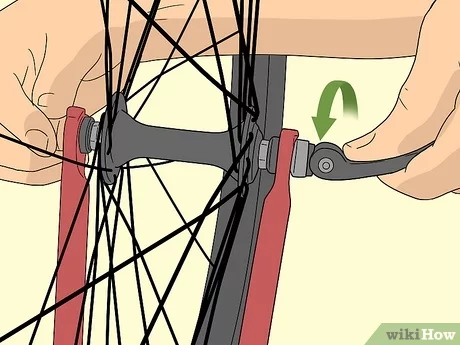
Understanding the Problem
Have you ever found yourself in a situation where your bicycle tire is punctured or already damaged? Don’t worry; it’s not the end of the world! You can easily fix the problem with a few simple tools and some basic knowledge. In this article, we’ll guide you through the process of repairing a bicycle tire, so you can get back on the road in no time.
When to Fix a Puncture
If your tire is punctured, it’s essential to act quickly to prevent further damage. If you notice a small puncture, you may be able to fix it yourself with a patch kit. However, if the puncture is large or you’re unsure about how to fix it, it’s best to take your bike to a professional mechanic.
Gathering Your Tools
If you decide to fix the puncture yourself, you’ll need a few basic tools:
- Patch kit
- Levers (for removing the tire and applying glue)
- Tire boot (optional)
- Wheel nut wrench
You can find these tools at most bike shops or online retailers.
Step 1: Remove the Tire
To fix a puncture, you’ll need to remove the tire from the rim. Use a lever to pry the tire away from the rim, starting from the valve stem and working your way around the tire. Be careful not to pinch any tube material or tire.
- Tips for removing the tire:
- Make sure the tire is completely removed before proceeding.
- If you encounter any stubborn parts of the tire, use a bit more force or try using a different lever.
- Keep your workspace clean and organized to avoid making a mess.
Step 2: Inspect the Tire
Once the tire is removed, inspect it for any other damage, such as sharp objects or excessive wear. If you find any issues, consider replacing the tire entirely.
- Common causes of additional damage:
- Sharp rocks or debris that can cause punctures.
- Excessive wear on the tire’s sidewalls or tread.
- Misaligned tires that can lead to uneven wear and potential damage.
Step 3: Remove the Valve Stem
Next, remove the valve stem by unscrewing the nut that holds it in place. Carefully pull the valve stem away from the rim and set it aside.
- Tips for removing the valve stem:
- Be gentle when handling the valve stem to avoid damaging it.
- If you encounter any stuck or stubborn parts, use a bit more force or try using a different tool.
Step 4: Inspect the Tube
Inspect the inner tube for any damage or punctures. If you find a large hole, consider replacing the entire tube.
- Common causes of damaged tubes:
- Sharp objects like glass or metal that can cause holes.
- Excessive wear on the tube’s material.
- Incorrect inflation pressure that can lead to damage.
Step 5: Apply Glue
Apply glue to the area where the tire meets the rim, making sure to cover the entire surface evenly.
- Tips for applying glue:
- Use a high-quality tube cement that’s specifically designed for bicycle tires.
- Make sure the surface is clean and dry before applying the glue.
Step 6: Reinstall the Tire
Reinstall the tire by pressing it onto the rim, starting from the valve stem and working your way around the tire. Make sure the tire is properly seated on the rim and the valve stem is securely attached.
- Tips for reinstalling the tire:
- Make sure the tire is fully seated before inflating.
- Use a bit of force to ensure the tire is securely attached to the rim.
Step 7: Inflate the Tire
Once the tire is reinstalled, inflate it to the recommended pressure.
- Tips for inflating the tire:
- Use a high-quality pump or air compressor that’s designed for bicycle tires.
- Make sure the tire is fully inflated before putting your bike back on the road.
Conclusion
Fixing a bicycle tire may seem like a daunting task, but with the right tools and some basic knowledge, you can easily repair a puncture or damaged tire. By following these steps, you’ll be back on the road in no time, enjoying the freedom and thrill of cycling.
Frequently Asked Questions
Q: What type of glue should I use to fix a bicycle tire?
A: Use a high-quality tube cement that’s specifically designed for bicycle tires.
Q: How long does it take to fix a puncture?
A: The time it takes to fix a puncture can vary depending on the severity of the damage and your level of expertise. On average, you can expect to spend around 30 minutes to an hour fixing a small puncture.
Q: Can I use any type of tire boot for bicycle tires?
A: No, not all tire boots are suitable for bicycle tires. Look for a boot that’s specifically designed for bicycle tires and follows the manufacturer’s recommendations.
Q: What should I do if I’m unsure about how to fix a puncture?
A: If you’re unsure about how to fix a puncture, it’s best to take your bike to a professional mechanic. They can assess the damage and provide guidance on the best course of action.
Q: Can I fix a flat tire with a patch kit if the puncture is large?
A: No, not all patch kits are suitable for large punctures. Look for a kit that’s specifically designed for repairing larger holes or consider taking your bike to a professional mechanic.
Q: How often should I check my tires for damage?
A: You should regularly inspect your tires for damage, especially after riding on rough terrain or in extreme weather conditions. A damaged tire can be a safety hazard and may need to be replaced sooner rather than later.
Q: Can I fix a puncture with a sealant?
A: Yes, some types of sealants can help repair small punctures by sealing the hole and preventing air from escaping. However, they’re not a substitute for proper patching or tire replacement.
Q: What’s the best way to store my bike when not in use?
A: When storing your bike, make sure it’s in a dry, secure location that’s protected from the elements. Consider using a bike rack or storage shed to keep your bike safe and secure.
Q: Can I ride my bike with a flat tire?
A: No, it’s not recommended to ride your bike with a flat tire. Riding on a flat tire can cause further damage, lead to accidents, and put you at risk of injury or worse.


