
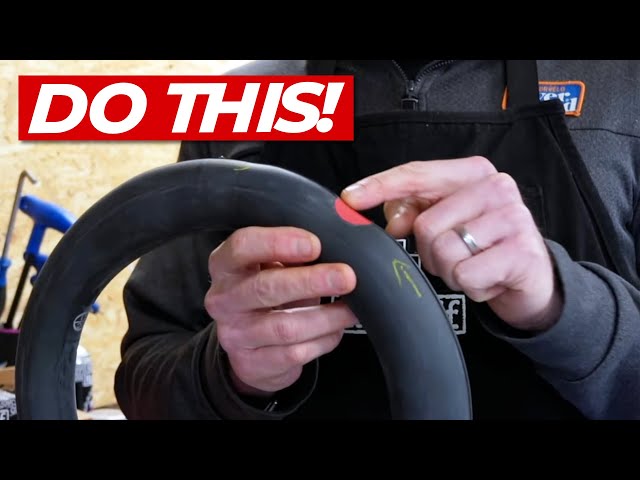
As you pedal your bike, a flat tire can be like a ticking time bomb waiting to ruin your day. But don’t let it catch you off guard! Having a small repair kit on hand can save the day and get you back on the road in no time.
Why Fix a Flat Tire?
Bikes: Flat Tires, Repair Kits
A bike tire is like a car with flats – one day they’re fine, and the next day they’re not. But why fix them? Well, aside from the inconvenience of dealing with a flat tire, there are many reasons to do so:
- Safety: A flat tire can cause you to lose control or crash, which can lead to serious injury.
- Convenience: Repairing a flat tire is relatively quick and easy, taking only about 15-20 minutes per bike.
- Cost savings: If you repair your bike regularly, you’ll save money in the long run by avoiding expensive repairs.
Bike Tire Repair Kits
There are many different types of tire repair kits available on the market. Here’s a brief overview:
- Kit contents: Most kits include a valve lever (also known as a “boot”), glue or cement, and a sealant.
- Prices: $3-$15
- Where to buy: Amazon, REI, Bike shops
Valve Levers
A valve lever is used to remove the tire from the wheel. There are two main types:
- Boot-style: This type of lever has a boot that fits over the valve stem.
- Plug-style: This type of lever has a plug that fits into the hole in the center of the valve.
Glue or Cement
There are two main types of glue or cement used for tire repairs:
- Liquid glue: This type is applied directly to the tube using a brush.
- Cement paste: This type is squeezed out onto the area and spread around with fingers.
Repairing the Tire
Here’s a step-by-step guide on how to repair a bike tire:
- Identify the leak: Use the valve lever to remove the tire from the wheel and inspect the tube for any punctures or tears.
- Prepare the area: Clean the area around the puncture with soap and water, then dry it thoroughly before applying glue or cement.
- Apply glue or cement: Apply a small amount of glue or cement to the area around the puncture using a brush or spoon.
- Insert the patch: Carefully insert the patch over the puncture, making sure it’s centered and smooth out any air bubbles that may form.
- Seal the patch: Use a bit of glue or cement to seal the patch in place.
- Reinflate the tire: Reinflate the tire slowly and check for leaks.
Cost of a New Tire Valve
The cost of a new tire valve can vary depending on the type and quality of the valve. Here are some approximate prices:
- Standard tube valve: $3-$5
- High-quality tube valve: $10-$15
Frequently Asked Questions
Here are some common questions that people have about repairing bike tires:
Q: What’s the best way to fix a flat tire?
A: The best way to fix a flat tire is with a small repair kit that includes a valve lever, glue or cement, and a patch.
Q: Can I use any type of glue or cement for tire repairs?
A: No, it’s best to use liquid glue specifically designed for tire repairs. Cement paste can also be used, but it may not provide the same level of seal.
Q: How do I know if my tire is damaged beyond repair?
A: If your tire has multiple punctures or tears, it may be more difficult and expensive to repair than a single puncture. In this case, it’s best to replace the tire.
Q: Can I reuse a patch on another bike tire?
A: It’s generally not recommended to reuse patches on different bikes or tires, as they may not fit properly or seal correctly.
Q: What are some common types of tire repairs that can be done at home?
A: There are several types of tire repairs that can be done at home, including fixing a punctured tube, patching a torn sidewall, and installing a new valve stem.
Q: Can I get professional help if I need to repair my bike tire?
A: Yes, there are many professional bike mechanics who offer repair services. If you’re not comfortable with the repair process or don’t have the necessary tools and expertise, it’s always best to seek professional assistance.
Q: How do I know which type of tire valve is right for me?
A: The type of tire valve that’s right for you will depend on your personal preferences and riding style. Standard tube valves are suitable for most riders, while high-quality tubes may be preferred by experienced cyclists who need extra durability and performance.
Additional Tips
- Always make sure to clean the area around the puncture before applying glue or cement.
- Use a patch that is specifically designed for tire repairs.
- Avoid using tape to seal a punctured tube, as it can cause more damage than good.
- If you’re not comfortable with the repair process, consider seeking professional help.
- Always make sure to check the tire pressure and inflation before putting the bike back on the road.
Conclusion
Repairing a flat bike tire is a relatively simple process that requires some basic tools and materials. By following these steps and tips, you can get your bike back on the road quickly and safely. Remember to always be prepared for emergencies by carrying a small repair kit with you, and don’t hesitate to seek professional help if needed.
Final Tips
- Always check your tire pressure regularly to avoid flats.
- Consider investing in a tire sealant or patching kit for easy repairs.
- Keep your bike clean and well-maintained to prevent flats.
- Practice repairing small punctures at home before attempting more complex repairs.


