
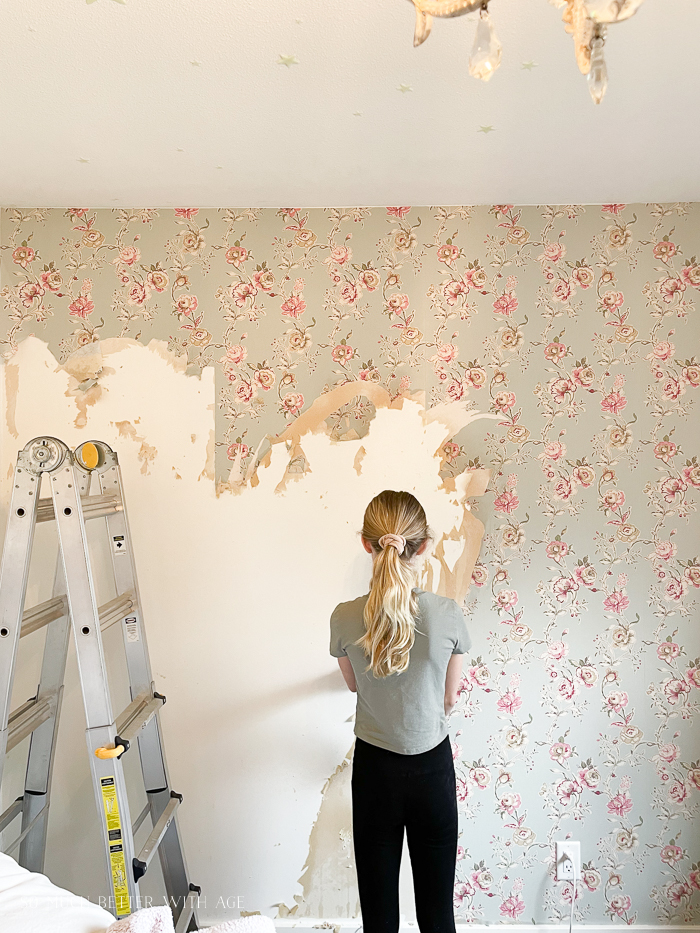
Removing wallpaper can be a daunting task, but with the right techniques and tools, it can be done easily and efficiently. In this article, we will guide you through the process of removing wallpaper, covering all the necessary steps and tips to ensure a successful outcome.
What You’ll Need
To remove wallpaper, you’ll need the following tools:
- A metal spatula
- A ladder or step stool
- Hot water
- A flat, wide brush (or plafone)
- A roll of glass paper (medium-grit)
Optional tools include solvent-based products and a steam cleaner.
Can You Remove Wallpaper Yourself?
Yes, you can remove wallpaper yourself without professional help. The process may take some time and effort, but it’s doable with the right techniques and preparation.
How to Remove Wallpaper: A Step-by-Step Guide
1. Prepare the Area
Before starting the removal process, make sure to clear the area around the wallpapered wall of any furniture or obstructions. Cover the floor and any surrounding surfaces with drop cloths or plastic sheets to protect them from dust and debris.
2. Gather Your Tools
Collect all the necessary tools, including the metal spatula, hot water, flat brush, and glass paper.
3. Apply Hot Water
Dip the flat brush into hot water and apply it to the wallpaper, starting from one corner of the wall. Use a gentle scrubbing motion to spread the water evenly across the surface.
Understanding the Science Behind Wallpaper Removal
Wallpaper is typically made up of layers, including a backing material (usually paper or fabric), an adhesive layer, and a decorative layer. The adhesive layer holds the wallpaper in place, while the backing material provides strength and stability. When removing wallpaper, it’s essential to target the adhesive layer first.
4. Scrub the Wallpaper
Use the spatula to gently scrape away the wallpaper, starting from one corner of the wall. Work your way along the edges, using a gentle prying motion to loosen the paper. Be careful not to scratch or damage the underlying surface.
5. Soak and Scrape
Continue applying hot water and scrubbing the wallpaper until it becomes loose and easy to remove. Use the glass paper to scrape away any remaining adhesive residue.
Tips for Removing Different Types of Wallpaper
- For vinyl-backed wallpaper, use a solvent-based product or a steam cleaner to help loosen the adhesive.
- For textured or embossed wallpaper, use a soft-bristled brush to gently sweep away the debris.
6. Clean and Inspect
Once you’ve removed all the wallpaper, inspect the surface for any remaining residue or damage. Use soap and water to clean the area, and apply a coat of primer if necessary.
Common Mistakes to Avoid When Removing Wallpaper
- Using too much force or scraping too hard, which can damage the underlying surface.
- Not preparing the area properly, leading to a messy and time-consuming removal process.
- Not using the right tools for the job, such as using a flat brush on textured wallpaper.
7. Removing Wallpaper from Ceilings
Removing wallpaper from ceilings requires special care and attention to detail. Use a combination of hot water and gentle scraping motions to loosen the adhesive, working your way along the edges of the ceiling. Be careful not to scratch or damage the underlying surface.
Conclusion
Removing wallpaper can be a challenging task, but with the right techniques and tools, it’s definitely doable. By following these steps and tips, you’ll be able to successfully remove your wallpaper and reveal a smooth, even surface beneath.
Frequently Asked Questions (FAQs)
1. How long does it take to remove wallpaper?
The time it takes to remove wallpaper depends on the type of wallpaper, its size, and the condition of the underlying surface.
- For small areas, such as a single wall or a few windows, removal may take around 30 minutes to an hour.
- For larger areas, such as entire rooms or multiple walls, removal may take several hours or even days.
2. Can I use heat guns to remove wallpaper?
Yes, you can use heat guns to help loosen the adhesive and make removal easier. However, be cautious not to damage the underlying surface or apply excessive heat.
- For vinyl-backed wallpaper, use a low-temperature heat gun (around 150°F) for around 30 minutes.
- For textured or embossed wallpaper, use a medium-temperature heat gun (around 200°F) for around 15 minutes.
3. Do I need to prime the surface before painting?
Yes, it’s recommended to prime the surface after removing wallpaper to ensure better paint adhesion and coverage.
- Use a high-quality primer specifically designed for walls.
- Apply the primer according to the manufacturer’s instructions.
4. Can I remove multiple layers of wallpaper at once?
Yes, you can remove multiple layers of wallpaper at once using the same techniques as described above. However, be cautious not to damage the underlying surface or apply excessive force.
5. How do I dispose of leftover adhesive and materials?
Properly dispose of leftover adhesive and materials by following local regulations and guidelines for hazardous waste disposal.
Safety Precautions
When removing wallpaper, it’s essential to take safety precautions to protect yourself and others from potential hazards.
- Wear protective gloves, goggles, and a mask when using chemicals or heat guns.
- Keep the area well-ventilated to prevent inhaling fumes or dust.
- Avoid using hot water or steam cleaners near electrical outlets or other sources of heat.
Conclusion
Removing wallpaper can be a daunting task, but with the right techniques and tools, it can be done easily and efficiently. By following these steps and tips, you’ll be able to successfully remove your wallpaper and reveal a smooth, even surface beneath.


