
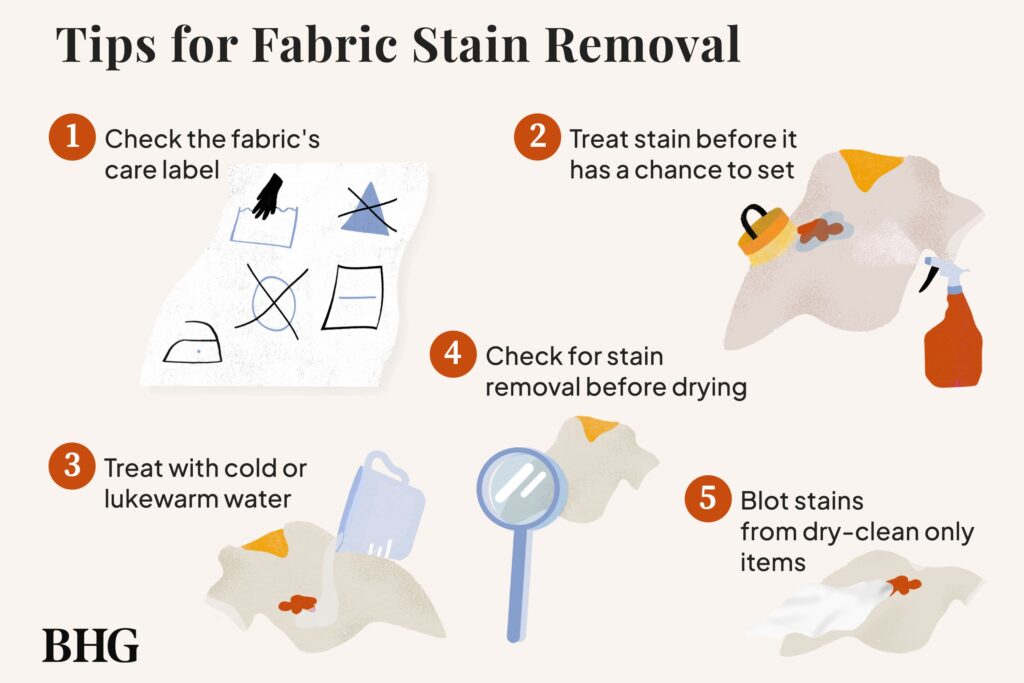
Are you tired of dealing with pesky stains on your favorite fabrics? You’re not alone! Removing stains can be a daunting task, but the good news is that it doesn’t have to involve harsh chemicals. In fact, many common household items can help you remove even the toughest stains without damaging your fabrics.
Understanding Stain Chemistry
Before we dive into the remedies, it’s essential to understand that every stain has its unique chemical composition. This means that a single smudge remover won’t work for all types of stains. By knowing the chemistry behind each type of stain, you can tailor your approach to effectively remove the stain without damaging the fabric.
The Science Behind Stains
Stains are formed when a substance interacts with a fiber or dye in the fabric, creating a chemical bond that holds it in place. The type of stain is determined by the type of substance that caused it and the composition of the fabric.
- Protein-based stains, such as blood and grass, are often treated with enzyme-based cleaners.
- Fat-based stains, like grease and oil, are typically removed using soap and water or solvents specifically designed to cut through grease.
- Inorganic stains, such as those caused by rust or ink, can be treated with acid-based cleaners.
Removing Common Stains
Macchia di Bruciatura (Burn Marks)
Stirring too hard with an iron can sometimes leave a yellowish stain on your fabrics. But don’t worry! This is an easy fix. To remove burn marks, soak the stained area in oxygenated water and let it air dry or sit in direct sunlight. Once the water has evaporated, the stain should be gone.
Important Note: Be cautious when using oxygenated water, as it can cause color loss on some fabrics.
Macchie di Frutta
Fruit stains are notoriously difficult to remove, but there’s a simple solution. Submerge the stained fabric in hot water and soak it for several hours or overnight. Then, rinse the fabric with cold water and let it air dry.
Caffè, Tè e Cioccolato
The usual suspects – coffee, tea, and chocolate stains – can be tricky to remove. However, a combination of acetic acid and alcohol can help lift them away. Dampen a clean white cloth with the solution, blot the stain gently, and let it air dry.
If the stain persists, sprinkle some salt over the affected area and leave it for 30 minutes before washing as usual.
Macchie di Erba
The same approach works for removing weed stains – use oxygenated water to lift the stain. Soak a clean white cloth in the solution, blot the stained area gently, and let it air dry.
Be mindful of color loss: Some fabrics may fade or discolor when exposed to oxygenated water.
Macchie di Terra
Removing dirt stains is relatively simple – just let them dry completely before scrubbing the fabric with a sturdy brush. For tougher stains, try using a raw potato to gently scrub away at the area.
The Power of Potatoes
Yes, you read that right! Raw potatoes can be used as a natural cleaning agent to remove tough stains. Simply rub the stained area with a raw potato and let it air dry before washing as usual.
Macchie di Vino
Red wine stains can be particularly stubborn, but there’s an effective way to remove them. Soak the stained fabric in hot water mixed with milk or cream, then let it sit for several hours or overnight before rinsing and drying as usual.
The Science Behind Red Wine Stains
Red wine contains tannins, which bind to proteins in fabrics, making stains particularly difficult to remove. The acidity of the milk or cream helps break down these bonds, allowing the stain to be lifted away.
Macchia di Olio
For oil-based stains like those from cooking or cosmetics, try using a combination of soap and water or dish soap specifically designed to cut through grease. Gently scrub the stained area with a soft cloth, working from the outside inwards, until the stain disappears.
Tips for Removing Oil-Based Stains
- Always test any new cleaning solution on an inconspicuous area before applying it to the stained fabric.
- Use a gentle soap specifically designed to cut through grease, as harsh chemicals can damage fabrics.
- Avoid using hot water, as it can set in oil-based stains.
Conclusion
Removing stains from fabrics doesn’t have to be a daunting task. By understanding the chemistry behind each type of stain and using natural remedies like oxygenated water, hot water, and soap, you can keep your clothes looking their best. Remember to always test any new cleaning solution on an inconspicuous area before applying it to the stained fabric.
FAQs
- Q: What’s the most effective way to remove tough stains?
A: The approach depends on the type of stain and fabric involved. Always research the specific remedy for your particular stain. - Q: Can I use bleach to remove stains?
A: Bleach can damage or discolor certain fabrics, so it’s best to avoid using it altogether. - Q: How do I prevent future stains from setting in?
A: Regular cleaning and prompt stain removal can help prevent stains from becoming permanent. - Q: Can I use the same smudge remover for all types of stains?
A: No – each stain has its unique chemical composition, requiring a tailored approach to effective removal. - Q: Are there any natural remedies that are specifically designed for removing tough stains?
A: Yes, some products like OxiClean or Shout can be effective at removing various stains without damaging fabrics. - Q: Can I use hot water to remove all types of stains?
A: While hot water is great for many stains, it can sometimes damage certain fabrics or set in stubborn stains. - Q: How do I remove grease-based stains from delicate fabrics?
A: Use a gentle soap specifically designed to cut through grease, working carefully to avoid damaging the fabric.
Stay stain-free and happy cleaning!
Additional Tips
- Always read the care label on your fabrics before attempting to remove stains.
- Test any new cleaning solution or remedy on an inconspicuous area first.
- Avoid using too much water, as it can damage certain fabrics or cause discoloration.
- Consider using a stain remover specifically designed for the type of fabric you’re working with.
- Don’t be afraid to experiment and try different remedies until you find one that works for you.
By following these tips and understanding the chemistry behind each type of stain, you’ll be well on your way to becoming a master stain remover. Happy cleaning!


