
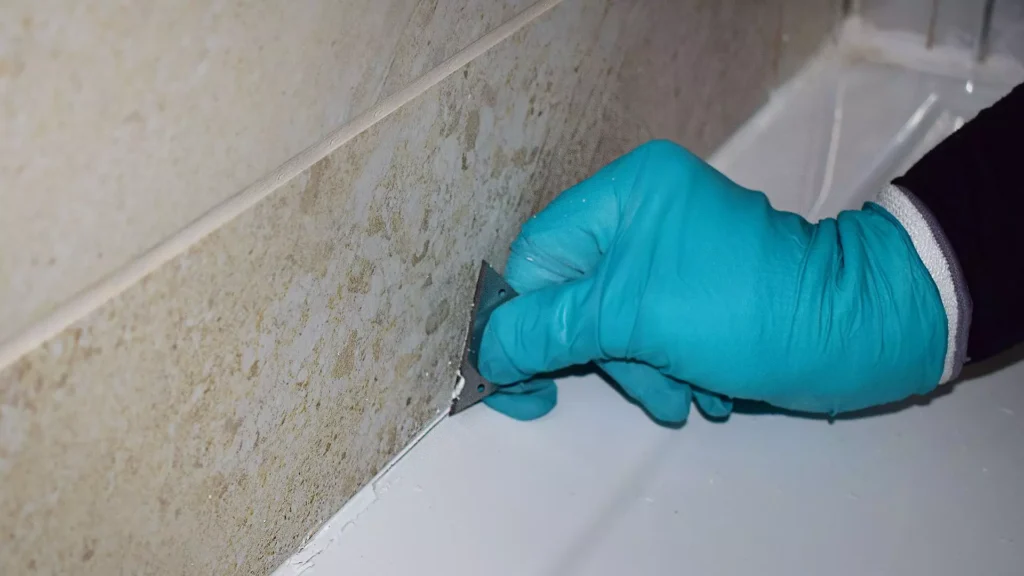
Silicone is a versatile and widely used material in various industries, including construction, automotive, and household applications. However, when it comes to removing silicone from surfaces, it can be a challenging task. In this article, we will explore the different methods for removing silicone from various surfaces, including glass, flooring, marble, and other materials.
Why Remove Silicone?
There are several reasons why you might need to remove silicone from your surfaces. Silicone can leave behind stubborn stains, make surfaces slippery, and even cause damage to certain materials. In this article, we will discuss the different methods for removing silicone and provide tips on how to do it effectively.
Types of Silicone Stains
Before we dive into the removal methods, it’s essential to understand the types of silicone stains you might encounter:
- Fresh silicone: This type of stain is typically found on surfaces that have recently been treated with silicone-based products.
- Dried silicone: This type of stain is more challenging to remove and can be caused by exposure to heat, chemicals, or UV light.
Removing Fresh Silicone
When dealing with fresh silicone, it’s easy to remove it using simple household items. Here are a few methods:
- Baking soda and water: Make a paste by mixing baking soda and water. Apply the paste to the affected area and let it sit for 15-30 minutes. Then, scrub the area with a non-abrasive sponge or cloth.
- White vinegar: Dilute white vinegar with water (1:1 ratio) and apply it to the affected area. Let it sit for 15-30 minutes before wiping clean with a damp cloth.
Removing Dried Silicone
When dealing with dried silicone, removal methods become more complex. Here are a few approaches:
- Solvents: Use a solvent specifically designed for removing silicone, such as acetone or mineral spirits. Apply the solvent to the affected area using a lint-free cloth and let it sit for 10-30 minutes before wiping clean.
- Heat: Apply heat to the affected area using a hair dryer or a heat gun. The heat can help loosen the dried silicone, making it easier to remove.
Tips and Precautions
When removing silicone, always wear protective gloves and eyewear. Silicone can be toxic if ingested or inhaled, so make sure to work in a well-ventilated area.
Here are some additional tips for removing silicone:
- Test a small area first: Before applying any removal method, test it on a small, inconspicuous area of the surface.
- Use a non-abrasive sponge or cloth: Avoid using abrasive materials that can scratch or damage the surface.
- Wear protective gear: Always wear gloves and eyewear when working with solvents or other chemicals.
Specialized Removal Methods
Some surfaces may require specialized removal methods. Here are a few examples:
- Glass: Use a silicone remover specifically designed for glass surfaces, such as a glass cleaner with a silicone dissolver.
- Flooring: Use a gentle cleaner and a soft-bristled brush to remove dried silicone from flooring surfaces. Avoid using abrasive materials that can scratch or damage the surface.
- Marble: Use a marble-specific cleaner and a soft, non-abrasive cloth to remove dried silicone from marble surfaces.
Professional Removal Methods
In some cases, professional removal methods may be necessary. Here are a few examples:
- Silicone removal services: Hire a professional who specializes in removing silicone from surfaces.
- Chemical treatments: Use chemical treatments specifically designed for removing silicone from surfaces.


