
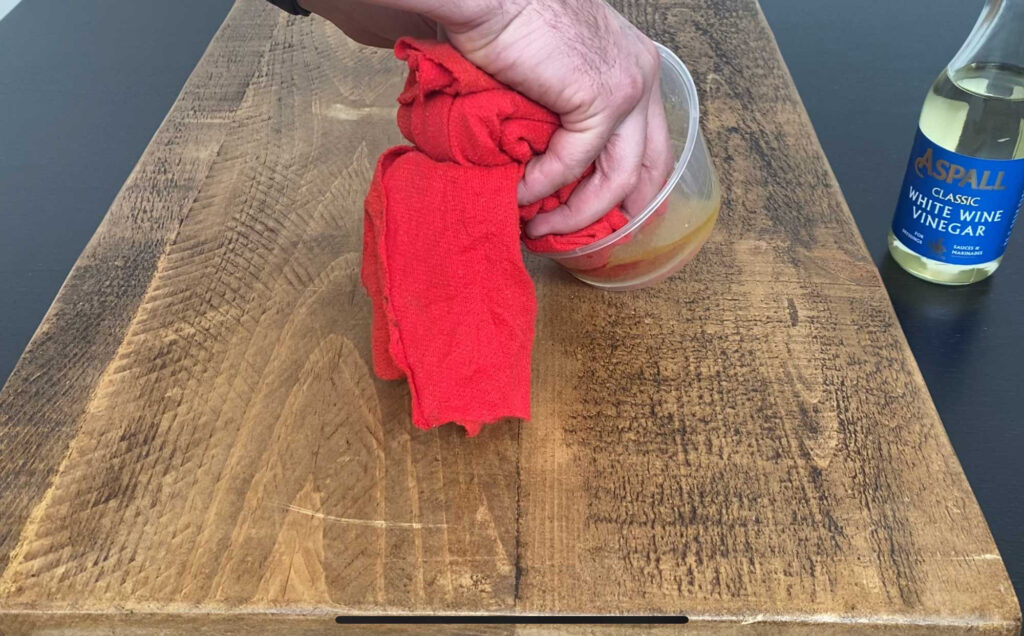
As a homeowner, it’s inevitable that your furniture will get scratched or damaged over time. But don’t worry! With the right techniques and materials, you can easily remove scratches from your furniture and keep it looking like new.
In this article, we’ll show you how to remove scratches from various types of furniture, including wood, plastic, and lacquered surfaces. We’ll also cover some common mistakes to avoid when trying to repair scratched furniture.
Understanding Scratches
Before we dive into the solutions, let’s talk about what causes scratches on furniture. Scratches can be caused by a variety of factors, such as:
- Dropping objects
- Moving heavy furniture
- Using harsh chemicals or abrasive cleaners
The type and depth of the scratch will determine the best course of action for removal.
Removing Scratches from Wood Furniture
If you have wood furniture with scratches, there are several methods you can try to remove them. Here’s a step-by-step guide:
- Assess the scratch: Examine the scratch to determine its depth and length.
- Use a wood filler: If the scratch is shallow, you can use a wood filler to fill in the gap.
- Apply a wood conditioner: If the scratch is deeper, apply a wood conditioner to help restore the finish.
- Sand the area: Use a fine-grit sandpaper to smooth out the area and feather it out to blend with the surrounding surface.
Types of Wood Fillers
There are several types of wood fillers available, including:
- Mineral-based wood filler: A popular choice for filling small scratches.
- Polyurethane-based wood filler: A good option for larger scratches or those that require a stronger bond.
- Epoxy-based wood filler: Ideal for large or deep scratches that require a high-strength bond.
Removing Scratches from Plastic Furniture
Plastic furniture can be prone to scratches, especially if it’s exposed to heavy use or harsh chemicals. Here’s how to remove scratches from plastic furniture:
- Clean the area: Use a soft cloth and mild soap to clean the scratched area.
- Apply a scratch remover: Use a scratch remover specifically designed for plastics to help lift out the scratch.
- Use a polishing compound: Apply a polishing compound to the affected area to restore its original sheen.
Types of Scratch Removers
There are several types of scratch removers available, including:
- Acetone-based scratch remover: Effective for removing scratches from plastic and vinyl surfaces.
- Isopropyl alcohol-based scratch remover: A good option for removing scratches from plastic and metal surfaces.
- Scratch remover pens: Portable and easy to use, these pens can be applied directly to the scratched area.
Removing Scratches from Lacquered Surfaces
Lacquered surfaces can be prone to scratches, especially if they’re exposed to heavy use or harsh chemicals. Here’s how to remove scratches from lacquered surfaces:
- Clean the area: Use a soft cloth and mild soap to clean the scratched area.
- Apply a lacquer thinner: Use a lacquer thinner to help dissolve the scratch.
- Use a polishing compound: Apply a polishing compound to the affected area to restore its original sheen.
Types of Lacquer Thinner
There are several types of lacquer thinner available, including:
- Mineral spirits-based lacquer thinner: A popular choice for removing scratches from lacquered surfaces.
- Naphtha-based lacquer thinner: Effective for removing scratches from lacquered surfaces with a high-gloss finish.
Common Mistakes to Avoid
When trying to repair scratched furniture, there are several common mistakes to avoid:
- Using harsh chemicals or abrasive cleaners that can damage the finish
- Applying too much pressure, which can scratch or gouge the surface
- Not sanding the area properly, which can leave scratches or swirl marks
Tips for Repairing Scratches
Here are some additional tips for repairing scratches on furniture:
- Always test a small area first to ensure the repair material won’t damage the finish.
- Use a wood filler that matches the color and texture of the surrounding surface as closely as possible.
- Apply multiple thin coats of scratch remover or lacquer thinner, allowing each coat to dry before applying the next one.
- Avoid using too much pressure when sanding, which can cause scratches or swirl marks.
Conclusion
Removing scratches from furniture is easier than you think. By following these simple techniques and using the right materials, you can easily restore your furniture to its original condition. Remember to always test a small area first and avoid using harsh chemicals or abrasive cleaners that can damage the finish.
FAQs
Here are some frequently asked questions about removing scratches from furniture:
- Q: What is the best way to remove deep scratches?
A: For deep scratches, use a combination of wood filler, conditioner, and sanding to smooth out the area. - Q: Can I use super glue to repair scratched furniture?
A: No, super glue can damage certain types of finishes or cause discoloration. - Q: How often should I polish my furniture?
A: Regular polishing can help maintain the finish and prevent scratches from forming in the future. - Q: Can I use a scratch remover on all types of surfaces?
A: No, some scratch removers are specifically designed for certain types of materials or finishes, so always read the instructions carefully. -
Q: How do I remove scratches from furniture with a glossy finish?
A: For scratched furniture with a glossy finish, use a polishing compound to restore its original sheen. -
Q: Can I use a laser engraver to repair scratches?
A: No, laser engravers are not suitable for repairing scratches on furniture. -
Q: How do I remove scratches from antique or vintage furniture?
A: When working with antique or vintage furniture, it’s essential to exercise caution and consult a professional if necessary. -
Q: Can I use a scratch remover on leather surfaces?
A: No, some scratch removers can damage certain types of leather or cause discoloration. - Q: How often should I clean my furniture?
A: Regular cleaning can help prevent scratches and maintain the overall appearance of your furniture. - Q: Can I use a DIY repair kit to fix scratched furniture?
A: While some DIY repair kits can be effective, it’s essential to follow the instructions carefully and test a small area first to avoid damaging the finish.
By following these tips and techniques, you can easily remove scratches from your furniture and keep it looking like new. Remember to always test a small area first and avoid using harsh chemicals or abrasive cleaners that can damage the finish.


