
Rust is an unsightly and frustrating problem for iron surfaces, caused by the natural process of oxidation when iron reacts with oxygen in the presence of moisture. Understanding how rust forms and removing it is crucial to maintain the integrity and appearance of your iron items.
What Causes Rust?
Rust formation is a chemical reaction that occurs when iron comes into contact with oxygen, water, and other environmental factors. When iron is exposed to these elements, it undergoes a process called oxidation, resulting in the formation of iron oxide – commonly known as rust. This process can happen rapidly, especially in areas with high humidity or direct sunlight.
One of the primary causes of rust is the presence of moisture. Water is an excellent conductor of electricity and helps to accelerate the chemical reaction that leads to rust formation. Additionally, oxygen is also a key factor, as it reacts with iron to form iron oxide.
Another important factor that contributes to rust formation is temperature. High temperatures can cause the reaction between iron and oxygen to occur more quickly, leading to faster rust formation. On the other hand, low temperatures can slow down the process, making it less likely for rust to form in the first place.
Why Remove Rust?
The removal of rust is essential for maintaining the quality and longevity of your iron items. If left unchecked, rust can lead to further deterioration, causing irreparable damage to the metal’s structure and potentially affecting its strength and integrity.
Rust can also cause significant aesthetic problems, making your iron items look dull, flaking, or discolored. In some cases, rust can even weaken the structural integrity of the metal, leading to cracks or breaks that may be difficult to repair.
Methods for Removing Rust
There are several methods for removing rust from iron surfaces, each with its own advantages and disadvantages. Here are some common approaches:
1. Mechanical Removal
Mechanical removal involves using tools specifically designed to remove rust without damaging the underlying surface. The most effective methods include:
- Spinning Tool: A spinning tool is an excellent option for removing rust from flat surfaces, such as sheets or plates.
- Sandpaper: Sanding can be used to smooth out rough surfaces and remove rust. However, this method may not be effective for deep-seated rust.
- Lime and Steel Wool: A mixture of lime and steel wool can be used to scrub away rust from small areas.
Mechanical removal is a cost-effective method that requires minimal equipment and training. However, it can be time-consuming and labor-intensive, especially when dealing with large or complex surfaces.
2. Chemical Removal
Chemical removal involves applying a solution that dissolves the rust, making it easier to wipe or scrape off. This method is often more effective than mechanical removal but requires caution:
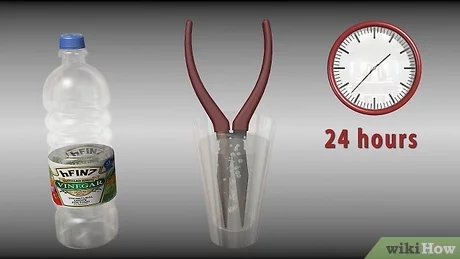
- Wire Brush: A wire brush can be dipped in a chemical solution like vinegar and used to scrub away rust from small areas.
- Steel Wool with Vinegar: Similar to lime and steel wool, using vinegar-soaked steel wool can help dissolve rust.
- Rust Removers: There are various commercial products available that contain chemicals specifically designed to remove rust. However, it’s essential to follow the instructions carefully.
Chemical removal is a quick and efficient method that can be effective for removing large amounts of rust. However, it requires caution, as some chemical solutions can damage certain materials or cause skin irritation.
Best Practices for Removing Rust
When removing rust, there are a few best practices to keep in mind:
- Wear protective gear: Always wear gloves, safety glasses, and a dust mask when working with power tools or handling chemicals.
- Prepare surfaces: Clean the surface thoroughly before applying any removal method.
- Test solutions: Before using any chemical solution, test it on a small area first to ensure compatibility.
Following these best practices can help minimize the risk of accidents and ensure effective rust removal.
Preventing Rust
Preventing rust is easier than removing it. Here are some tips:
- Dry surfaces: After cleaning or washing your iron items, dry them thoroughly to prevent moisture from accumulating.
- Store properly: Store your iron items in a well-ventilated area or in protective containers to keep them dry and away from environmental factors that can contribute to rust formation.
Preventing rust requires ongoing maintenance and care. By following these tips, you can help minimize the risk of rust formation and extend the lifespan of your iron items.
Conclusion
Removing rust from iron surfaces is an essential process for maintaining their quality and longevity. By understanding the causes of rust, using effective removal methods, and following best practices, you can effectively remove rust and prevent it from returning. Whether you’re dealing with minor rust spots or extensive surface damage, there’s a method to suit your needs.
In addition to these tips, consider consulting with a professional if you’re unsure about how to remove rust or if the problem is severe. They can provide personalized advice and help you find the best solution for your specific situation.
By taking proactive steps to remove rust and prevent it from forming in the future, you can enjoy your iron items for years to come.


