
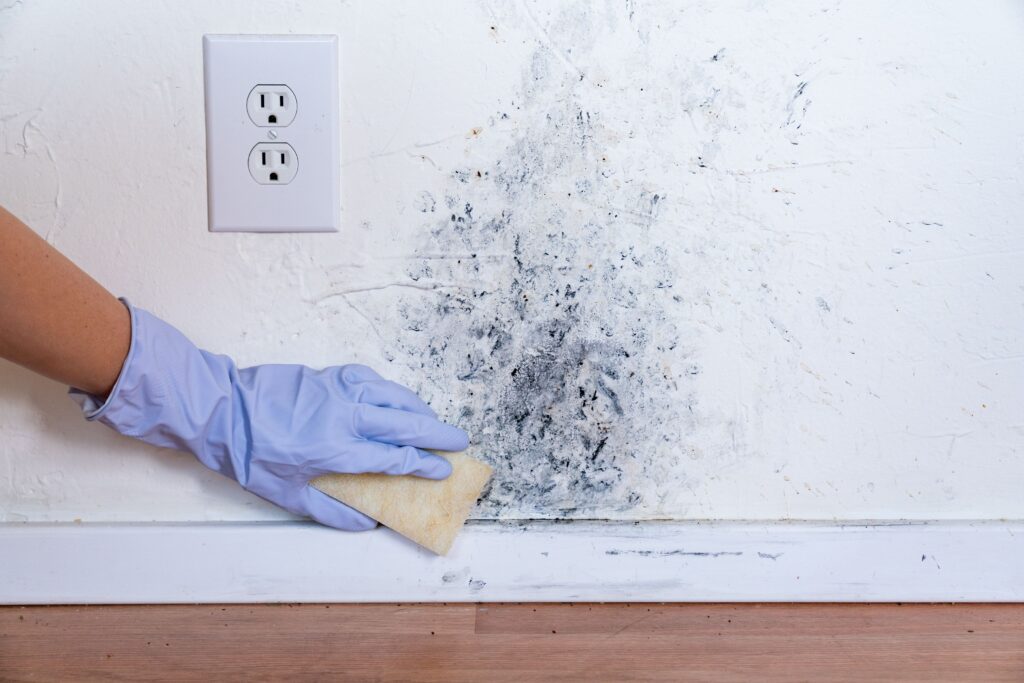
Mold is a common problem that affects many people, initially appearing as small black spots on the walls. If left unchecked, it can spread and damage paint, wallpaper, and even ceiling finishes. Understanding the causes of mold growth and learning effective methods for removal are essential to preventing its recurrence.
Understanding Mold Growth
Mold thrives in damp environments, where moisture condenses on cold surfaces. This is particularly common in areas with poor ventilation, such as corners between ceilings and walls. When mold spores land on a surface, they can germinate and grow, producing new mold colonies. To prevent mold growth, it’s essential to address the underlying causes of humidity.
Causes of Mold Growth
There are several factors that contribute to mold growth:
- High Humidity: Mold thrives in humid environments, typically above 50% relative humidity.
- Water Damage: Leaks, floods, and water damage can create an ideal environment for mold growth.
- Poor Ventilation: Inadequate ventilation can lead to moisture buildup and increase the risk of mold growth.
- Damp Surfaces: Mold can grow on damp surfaces, including walls, ceilings, and floors.
Using Bleach to Remove Mold
Bleach is a widely used solution for removing mold from walls. Mix bleach with water according to the manufacturer’s instructions, and apply the solution directly to the affected area using a soft cloth or sponge. Be cautious not to scrub too hard, as this can damage the underlying paint or wallpaper.
Benefits of Bleach
Bleach is effective against a range of microorganisms, including:
- Mold: Bleach can kill mold spores and prevent growth.
- Fungi: Bleach can also kill fungi, including those that cause mildew and rot.
- Bacteria: Bleach has antibacterial properties, making it useful for removing bacteria from surfaces.
Precautions When Using Bleach
While bleach is effective, there are some precautions to take when using it:
- Wear Protective Gear: Wear gloves, a mask, and protective eyewear to avoid exposure to bleach fumes.
- Use in Well-Ventilated Areas: Use bleach in well-ventilated areas to prevent inhaling fumes.
- Avoid Mixing with Other Chemicals: Avoid mixing bleach with other chemicals, as this can create toxic reactions.
Natural Remedies for Removing Mold
While bleach is effective, some people may prefer natural remedies that are gentler on surfaces and the environment. Here are two popular alternatives:
- Hydrogen Peroxide: Mix equal parts hydrogen peroxide and water in a spray bottle. Spray the solution onto the moldy area and let it sit for 5-10 minutes before rinsing with warm water.
- Vinegar Solution: Combine equal parts white vinegar and water in a spray bottle. Spray the solution onto the affected area and let it sit for 5-10 minutes before rinsing with warm water.
Benefits of Natural Remedies
Natural remedies offer several benefits:
- Environmental Sustainability: Natural remedies are biodegradable and non-toxic, making them more environmentally friendly.
- Gentler on Surfaces: Natural remedies can be gentler on surfaces than bleach solutions.
- Cost-Effective: Natural remedies can be cost-effective in the long run.
Precautions When Using Natural Remedies
While natural remedies are generally safe, there are some precautions to take:
- Use with Caution: Use natural remedies with caution, as they may not be effective against all types of mold.
- Avoid Overuse: Avoid overusing natural remedies, as this can lead to skin irritation or other adverse effects.
Products for Removing Mold
In addition to natural remedies and bleach, there are various products available that can help eliminate mold from walls. Some popular options include:
- Elimina Muffa Spray: This spray is specifically designed to remove mold and mildew stains from walls. Simply apply the product according to the manufacturer’s instructions.
- Ariasana Smuffer: This liquid antimold agent is effective against a range of microorganisms, including algae, moss, and fungi.
Benefits of Products
Products can offer several benefits:
- Convenience: Products can be convenient for removing mold from walls.
- Effectiveness: Products can be more effective than natural remedies or bleach solutions in eliminating mold.
- Ease of Use: Products often come with easy-to-follow instructions and minimal effort required.
Precautions When Using Products
While products can be effective, there are some precautions to take:
- Read Instructions: Read the product label carefully before using it.
- Follow Manufacturer’s Instructions: Follow the manufacturer’s instructions for use and dosage.
- Avoid Mixing with Other Chemicals: Avoid mixing products with other chemicals, as this can create toxic reactions.
Conclusion
Removing mold from walls requires patience, persistence, and the right techniques. By understanding the causes of mold growth, using effective removal methods, and taking steps to prevent its recurrence, you can enjoy a healthier and more comfortable living space.
Frequently Asked Questions (FAQs)
Q: What is the best way to remove black mold from walls?
A: Bleach or hydrogen peroxide solutions are effective for removing black mold from walls. However, it’s essential to take necessary safety precautions and follow manufacturer instructions.
Q: Can I use bleach on all types of paint?
A: No, bleach should not be used on painted surfaces that contain lead or other toxic materials. Always check the paint type before using a bleach solution.
Q: How often should I clean my walls to prevent mold growth?
A: Regular cleaning and maintenance can help reduce humidity buildup and prevent mold growth. Aim to inspect your walls regularly for signs of mold or mildew.
Q: Are there any natural alternatives to bleach for removing mold?
A: Yes, hydrogen peroxide and vinegar solutions are popular alternatives to bleach for removing mold from walls.
Q: Can I use a dehumidifier to prevent mold growth?
A: Yes, using a dehumidifier in areas prone to moisture accumulation can help reduce humidity levels and prevent mold growth.
Q: What is the best way to remove mold from textured ceilings?
A: For textured ceilings, it’s recommended to use a combination of bleach solution and a soft-bristled brush to gently scrub away mold. Be cautious not to scratch the ceiling surface.
Q: Can I paint over moldy walls without removing it first?
A: No, painting over moldy walls can provide temporary relief but may not address the underlying issue. It’s essential to remove mold before applying new paint or finishes.


