
Are you tired of dealing with the hassle of removing leaves from your garden? You’re not alone! Many homeowners struggle with leaf removal, but with the right tools and techniques, it can be a breeze. In this article, we’ll explore three effective methods for removing leaves from your garden, including manual raking, using leaf blowers, and employing leaf vacuum cleaners.
The Importance of Acting Quickly
Before we dive into the methods, it’s essential to understand the importance of acting quickly when it comes to leaf removal. Leaves can start decomposing within days, creating an ideal environment for weeds and diseases to grow. By removing leaves promptly, you’ll prevent these issues from arising and keep your garden healthy.
Leaves also pose a significant risk to lawn health, as they can suffocate grass blades, reduce sunlight penetration, and attract pests. Furthermore, leaves can create uneven terrain, making it difficult to maintain a uniform lawn appearance. Removing leaves quickly helps prevent these problems and maintains the overall health of your garden.
Manual Raking: A Time-Tested Method
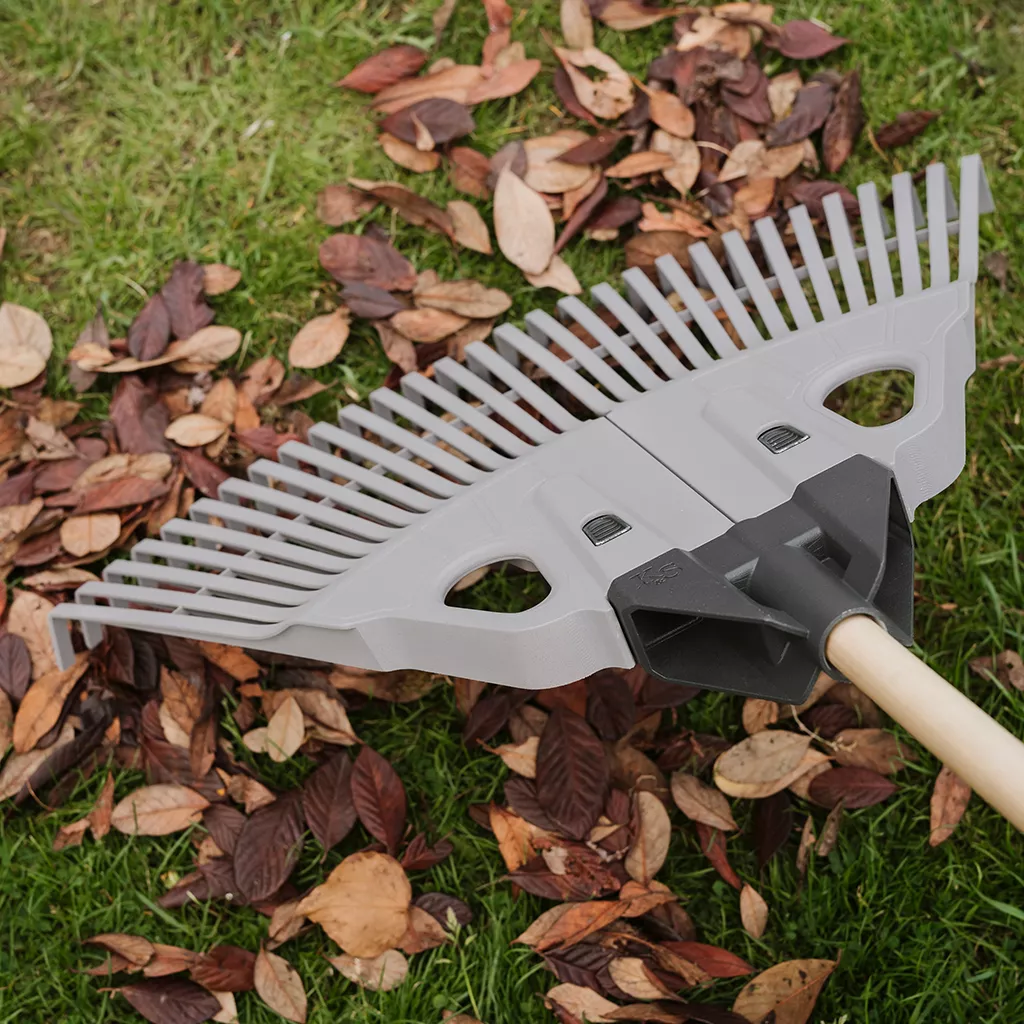
Manual raking is a traditional method that’s been used for centuries. While it may not be the most efficient way to remove leaves, it’s still an effective option for smaller gardens or areas with few leaves. To use a rake effectively:
- Choose a wide, flat rake with flexible tines.
- Select a rake with a high handle to avoid straining your back.
- Rake in sections, working from the top down to prevent leaves from blowing away.
Some popular rakes for leaf removal include the Scopa Foglie – Rastrello con Denti Metallo, which can be purchased on Amazon for around $20. This rake features a wide, flat head and flexible tines that make it perfect for collecting leaves in tight spaces.
For larger areas, consider using a garden fork or pitchfork to remove leaves. These tools are designed for heavy-duty use and can help you clear large quantities of leaves quickly.
Leaf Blowers: A Convenient Option
Leaf blowers are an excellent choice for larger gardens or areas with heavy leaf fall. These powerful machines use air flow to collect leaves and other debris, making them easy to maneuver and clean up. When selecting a leaf blower:
- Motor type: Electric or gas-powered models are available, with electric blowers being more environmentally friendly.
- Noise level: Look for blowers with lower decibel ratings (around 60 dB) for reduced noise pollution.
- Attachments and accessories: Consider a blower with interchangeable attachments, such as a vacuum feature or edger.
Some popular leaf blowers for leaf removal include the Husqvarna 125BVx, which can be purchased on Amazon for around $100. This blower features a powerful 125cc engine and a lightweight design that makes it easy to maneuver.
When using a leaf blower, remember to:
- Wear protective gear, such as gloves and safety glasses.
- Work in sections to avoid creating uneven terrain.
- Use the blower at a moderate pace to prevent leaves from flying everywhere.
Leaf Vacuum Cleaners: A Professional-Grade Solution
For larger gardens or commercial properties, leaf vacuum cleaners are an excellent investment. These powerful machines use air flow to collect leaves and other debris, making them ideal for heavy-duty leaf removal. When selecting a leaf vacuum cleaner:
- Power output: Look for models with high power outputs (around 2500 W) to handle large areas.
- Attachments and accessories: Consider a model with interchangeable attachments, such as a mulching kit or composting feature.
- Noise level: Choose a model with reduced noise levels (around 80 dB) for a more comfortable working experience.
Some popular leaf vacuum cleaners include the GreenWorks G-MAX 40V , which can be purchased on Amazon for around $150. This machine features a powerful motor and a lightweight design that makes it easy to maneuver.
When using a leaf vacuum cleaner, remember to:
- Wear protective gear, such as gloves and safety glasses.
- Work in sections to avoid creating uneven terrain.
- Use the machine at a moderate pace to prevent leaves from flying everywhere.
Why Choose a Leaf Blower?
Leaf blowers offer several benefits, including:
- Convenience: They make quick work of large areas and can be used in tight spaces.
- Efficiency: Leaf blowers use air flow to collect leaves, reducing the need for manual raking or bagging.
- Ease of use: Many leaf blowers come with ergonomic handles and easy-to-use controls.
However, it’s essential to note that leaf blowers may not be suitable for all areas. For example:
- Wet leaves can clog the machine’s air intake.
- Leaves in dense clusters can create a blockage.
- Small gardens or delicate plants may require more manual care.
Conclusion
Removing leaves from your garden doesn’t have to be a daunting task. By choosing the right tool and technique, you can keep your garden healthy and looking its best. Whether you prefer manual raking, using a leaf blower, or employing a leaf vacuum cleaner, there’s an effective method for removing leaves that suits your needs.
Frequently Asked Questions
- What is the best way to dispose of leaves?
Leaves can be composted, mulched, or bagged and disposed of in regular trash. - How often should I remove leaves from my garden?
Remove leaves regularly to prevent decomposition and maintain a healthy garden environment. - Can I use a leaf blower on wet leaves?
Avoid using a leaf blower on wet leaves, as they can clog the machine’s air intake.
Additional Tips for Effective Leaf Removal
- Create a maintenance routine: Schedule regular leaf removal sessions to ensure your garden stays healthy and clean.
- Consider mulching: Mulch leaves to create a nutrient-rich soil amendment that will help fertilize your plants.
- Leave some leaves behind: Some types of leaves, such as oak or maple, are too fibrous for composting. Leaving these leaves behind can actually benefit your garden by providing habitat and food for beneficial insects.
By following these tips and choosing the right tool for the job, you’ll be well on your way to removing leaves from your garden with ease. Remember to act quickly, choose the right method, and take care of those leaves!


